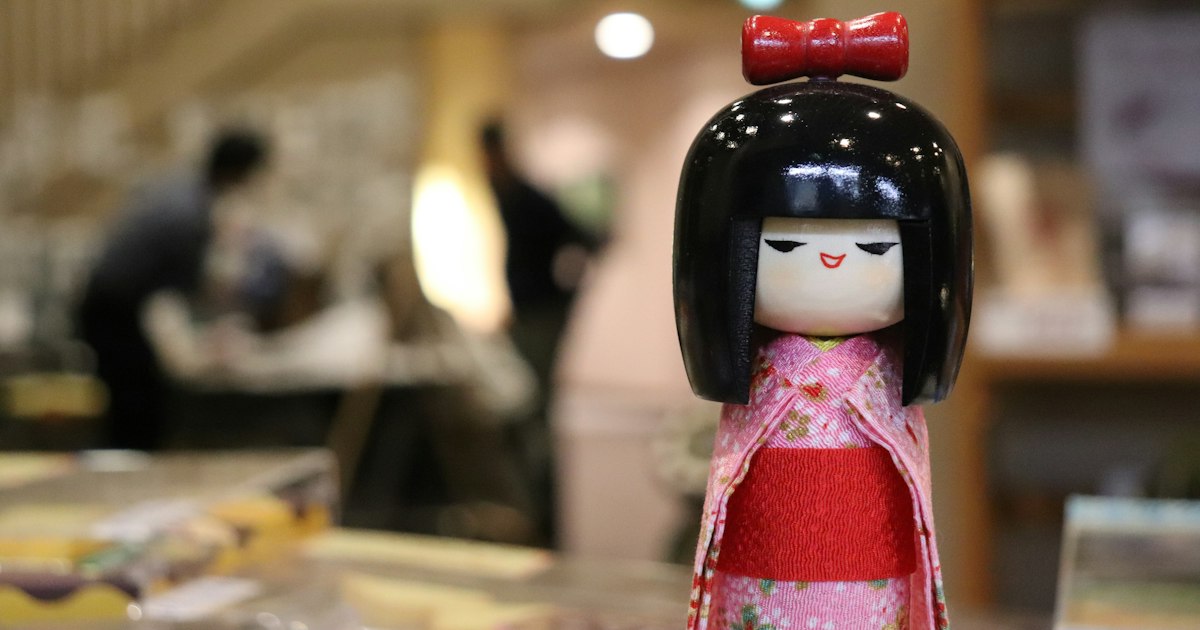
Photo by Qonita Afnani Firdaus on Unsplash
Most visitors to Tokyo never hear the name Asakusabashi, and that’s exactly why it’s worth a detour. Tucked between Akihabara and Asakusa along the Sumida River, this unglamorous stretch of Edo-dori Avenue has quietly supplied Japan’s doll makers, jewelry designers, and craft hobbyists for over a century. There are no neon signs or souvenir shops here — just block after block of wholesalers (“tonya”) selling hina dolls, glass beads, ribbons, and findings at prices that make downtown boutiques look silly. The good news for tourists: most of these wholesalers will happily sell you a single item, no business license required.
What makes Asakusabashi different
Asakusabashi developed as a wholesale hub during the Edo period thanks to its riverside location, and the doll trade in particular has stuck around ever since. Today the district splits roughly into two trades: traditional doll makers clustered along Edo-dori near the station, and bead/accessory-parts wholesalers filling the side streets and multi-floor buildings just south of it. Unlike a department store, prices here are already wholesale-level and non-negotiable — you won’t haggle, but you also won’t need to, since a strand of glass beads that costs ¥800 at a craft chain can run ¥150–¥300 here.
Getting there
Asakusabashi Station sits on both the Toei Asakusa Line and the JR Chuo-Sobu Line, making it an easy add-on to a Tokyo itinerary. It’s one stop from Akihabara on the JR line, and a few stops from Asakusa on the Toei Asakusa Line — so you can easily combine a visit with either neighborhood in the same afternoon. From the station’s A3 exit, Edo-dori’s doll shops are visible within a minute’s walk; the bead and craft wholesalers are mostly a 5–10 minute walk south along the same avenue and the parallel backstreets.
The doll shops: Yoshitoku and Kyugetsu
Two names dominate here. Yoshitoku, founded in 1711, runs a multi-floor flagship a short walk from the station selling hina-ningyo (Girls’ Day dolls, displayed for March 3) and gogatsu-ningyo (samurai armor and kabuto helmets for Boys’ Day, May 5), ranging from compact tabletop sets to elaborate multi-tier displays. Kyugetsu, dating to the 1830s, has an equally large showroom nearby with similar seasonal lines plus smaller, travel-friendly folk dolls and ornaments. Both stores are used to foreign visitors and most staff can handle basic English for sizing and shipping questions. Expect opening hours around 10:00–18:00, with some irregular closures — call ahead if a specific shop is the goal of your trip.
Beads, ribbons, and craft parts
South of the doll district, the character changes to jewelry-making and craft supplies. Parts Club is the name to know — it operates several numbered stores along and just off Edo-dori, each specializing in a category: glass and stone beads in one, metal chains and clasps in another, leather cords and tools in a third. Browsing all of them takes an hour or two but rewards patience; loose beads often sell by weight or in bulk bags for a few hundred yen, and metal findings that cost ¥300–¥500 apiece at a hobby shop can be under ¥100 here. Yuzawaya, the nationwide craft chain, also has a large store in the area stocking fabric, ribbon, artificial flowers, and sewing notions if you want one-stop shopping rather than hunting through specialist floors.
Best time to visit
Timing matters more here than in most Tokyo shopping districts because the doll trade is seasonal. Hina dolls are in full display and widest selection from early January through late February, ahead of Girls’ Day on March 3 — visit in this window for the best choice, though not the best price. Right after March 3, unsold hina stock is often discounted, so late March can be a bargain-hunting window if you don’t mind reduced selection. The same pattern repeats for Boys’ Day gear (kabuto helmets, samurai figures) between March and early May. Bead and craft shops don’t have the same seasonality, so any weekday works — but note many wholesalers close on Sundays and national holidays since their core customers are businesses, not tourists, so a Tuesday–Friday visit is safer than a weekend one.
Budget, mid-range, and splurge picks
- Budget: A bag of mixed glass beads or a small folk doll ornament runs roughly ¥500–¥2,000 — easy to pack in a suitcase and a good low-risk souvenir.
- Mid-range: A compact hina doll set for a tabletop display, or a curated selection of beads and findings for a jewelry-making hobby, typically falls in the ¥15,000–¥60,000 range.
- Splurge: Full-scale hina or gogatsu displays from Yoshitoku or Kyugetsu, built with traditional materials and craftsmanship, can run ¥150,000 well into the ¥500,000+ range — these are heirloom pieces many Japanese families buy once for a child’s first festival, and shops are experienced in arranging international shipping for exactly this reason.
Common mistakes to avoid
The biggest misstep is assuming every shop is retail-friendly — a handful of the smaller wholesalers genuinely deal only in bulk business orders and will politely turn away single-item requests, so if a shop feels unusually quiet or industrial, ask before browsing extensively. Bring cash: many of the smaller bead and craft wholesalers are cash-only or have low card-payment minimums, and foreign cards can occasionally be declined at older point-of-sale terminals for reasons unrelated to your balance — it’s worth reading up on why foreign credit cards get declined in Japan before you go. Large doll boxes and bags of loose beads are also awkward to carry for the rest of a trip, so pack a collapsible bag or some compression packing cubes to consolidate purchases, and ask staff about international shipping for anything bulky — most doll shops offer it routinely. If seasonal, ship-home craft shopping interests you, Asakusabashi pairs naturally with a stop at the koinobori carp-streamer shops for Boys’ Day goods, or a browse through Tokyo’s other traditional craft scene at Edo sashimono woodworking shops if fine Japanese craftsmanship is what drew you here in the first place.
Asakusabashi won’t show up on most “best of Tokyo” lists, and that’s the appeal — it’s a working district that happens to sell beautifully made things at prices locals actually pay. Give it a half-day, bring cash, and check the season before you go.