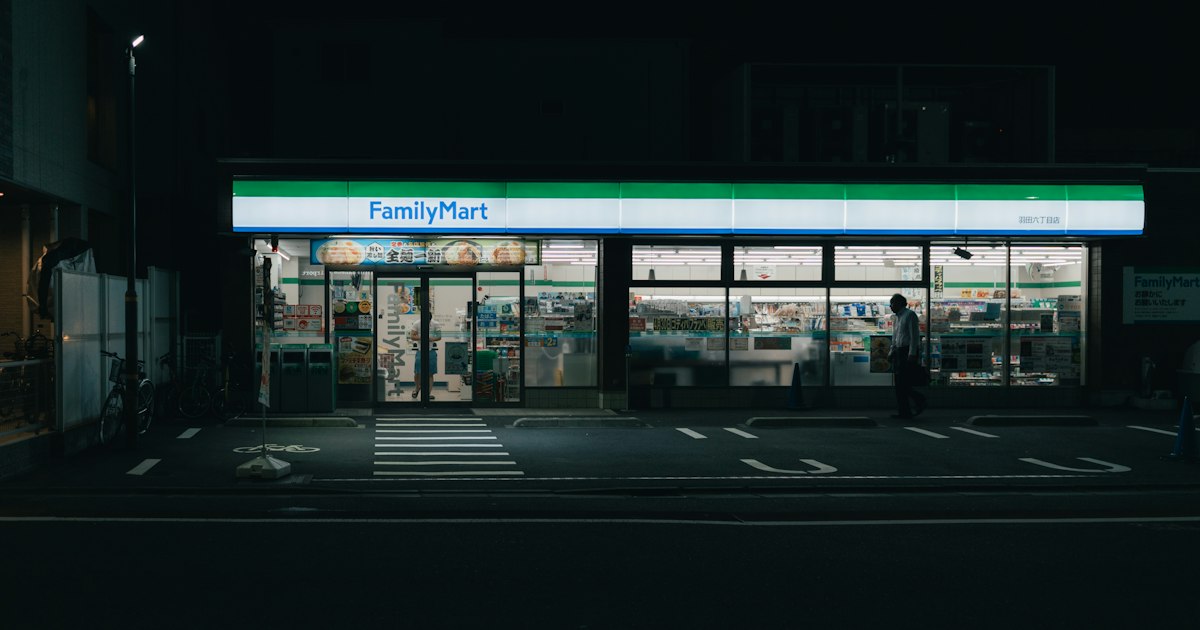
Photo by Frank Huang on Unsplash
Nothing derails a good travel day faster than standing at a register in Osaka watching a cashier apologize while your card gets rejected three times in a row. Foreign card declines are one of the most common — and most avoidable — headaches visitors run into in Japan. The good news is that almost every cause has a simple fix once you know what’s actually going on behind the scenes.
Why Japanese terminals reject foreign cards so often
Japan’s payment infrastructure modernized later and differently than the US or much of Europe. A large share of older terminals, especially at small restaurants, local shops, and traditional inns, were built primarily around domestic Japanese-issued cards and the JCB network. Many still process Visa and Mastercard fine but choke on certain issuing banks, chip configurations, or contactless formats that weren’t common when the terminal was installed. On top of that, Japan’s EMV chip-and-PIN rollout and contactless (Suica/tap-to-pay) standards don’t always talk cleanly to foreign card issuers’ security protocols, which can trigger a decline even when your card is perfectly valid and well-funded.
Add in your own bank’s fraud detection — a card suddenly swiping in Tokyo after being used in Chicago the day before is a classic trigger for an automatic freeze — and you get the two biggest culprits: terminal incompatibility on the Japan side, and fraud-prevention holds on your bank’s side.
Where declines happen most
- Small independent restaurants and izakaya: many still run cash-only or have a single old terminal that struggles with international Visa/Mastercard combos.
- Vending machines and ticket machines: most accept IC cards (Suica/Pasmo) and cash, but card acceptance is inconsistent, especially outside major cities.
- Ryokan and smaller guesthouses: many request cash on arrival or at checkout, particularly in rural onsen towns.
- Taxis outside Tokyo and Osaka: card readers exist but can be slow or temporarily offline; drivers sometimes default to cash.
- Self-checkout at discount stores: chains like Don Quijote have had reported issues with certain foreign card types at self-checkout kiosks even though staffed registers work fine — if you’re already stocking up on packing cubes or travel organizers at Don Quijote, just route through a staffed lane if self-checkout rejects your card.
Before you leave: four things that prevent most problems
1. Call or message your bank and tell them the exact travel dates and “Japan.” This is the single most effective fix. Most banks let you set a travel notice in-app in under two minutes, and it prevents the fraud-hold decline that catches so many travelers on day one.
2. Bring at least two cards from different networks — ideally one Visa and one Mastercard, from two different banks. If one terminal rejects a Visa, it will often accept a Mastercard from a different issuer, and vice versa. JCB-branded cards (common if you bank in parts of Asia) tend to have the smoothest acceptance nationwide.
3. Confirm your PIN works for chip transactions, not just contactless or signature. Some US cards default to signature verification, which a handful of Japanese terminals won’t process without a PIN entry option enabled.
4. Check your daily withdrawal and spending limits before departure, and raise them temporarily if they’re low. Combined with the exchange rate, a JPY 50,000 withdrawal (roughly USD 330 at late-2026 rates) can look unusually large to a fraud algorithm if your normal limit is set low.
Always carry cash — more than you’d expect
Japan remains more cash-friendly than most visitors anticipate, even in 2026. A comfortable daily cash buffer is around JPY 10,000–15,000 for food, transport top-ups, and small purchases, more if you’re headed somewhere rural. 7-Eleven, Lawson, and FamilyMart ATMs are the most reliable for foreign cards nationwide and are open 24 hours; Japan Post Bank ATMs are the second-best bet and exist even in small towns. Both typically charge a flat withdrawal fee of around JPY 220, separate from whatever your home bank charges.
If your trip includes smaller towns or nature-focused stops — fishing charters, hot spring villages, farm visits — budget extra cash because card terminals thin out fast once you leave major train lines. This matters for day trips like a guided ayu fishing charter in Kochi or a soak at Yunishigawa Onsen in Tochigi, where the nearest card-friendly convenience store may be a short drive away rather than around the corner.
When your card is declined in the moment
Stay calm and work through this order: try a different card first (network mismatch is the most common and fastest fix), then try inserting the chip manually instead of tapping, then ask if cash is acceptable as a backup. If a card keeps failing across multiple unrelated merchants, it’s very likely a bank-side fraud hold rather than a Japan-side terminal issue — in that case, calling your bank’s international support line (many have a toll-free number that works from Japan, or a number you can dial via Wi-Fi calling) will resolve it faster than retrying at the register. This is one good reason to sort out connectivity early in your trip; if you haven’t locked in a data plan yet, see our guide to buying an unlocked SIM-free phone or SIM mid-trip so you can always call your bank or use its app even if your original phone plan doesn’t cover Japan.
Shopping and shipping purchases home
Card issues don’t stop at in-person checkout. If you’re ordering Japanese goods to ship home — whether that’s a one-off souvenir purchase or an ongoing subscription box — foreign-issued cards can also get flagged by Japanese e-commerce sites for the same fraud-pattern reasons. Our piece on subscribing to Japanese mail-order goods like Felissimo from abroad covers how to set up recurring international payments without getting your subscription silently cancelled after a failed charge — worth a read before you commit to anything recurring.
Timing it right
Card acceptance issues spike slightly around major holiday periods — New Year (late December to January 3), Golden Week (late April to early May), and Obon (mid-August) — simply because transaction volumes surge and banks’ fraud systems get more aggressive. If your trip falls in one of these windows, it’s worth padding your cash buffer a bit more and double-checking your travel notice is still active with your bank, since some notices default to 30-day windows and can expire mid-trip if your visit runs longer.
None of this should scare you off cards entirely — tap-to-pay and chip transactions work smoothly at the vast majority of hotels, department stores, and city restaurants. The goal is simply redundancy: two cards, enough cash, and a bank that already knows you’re coming.