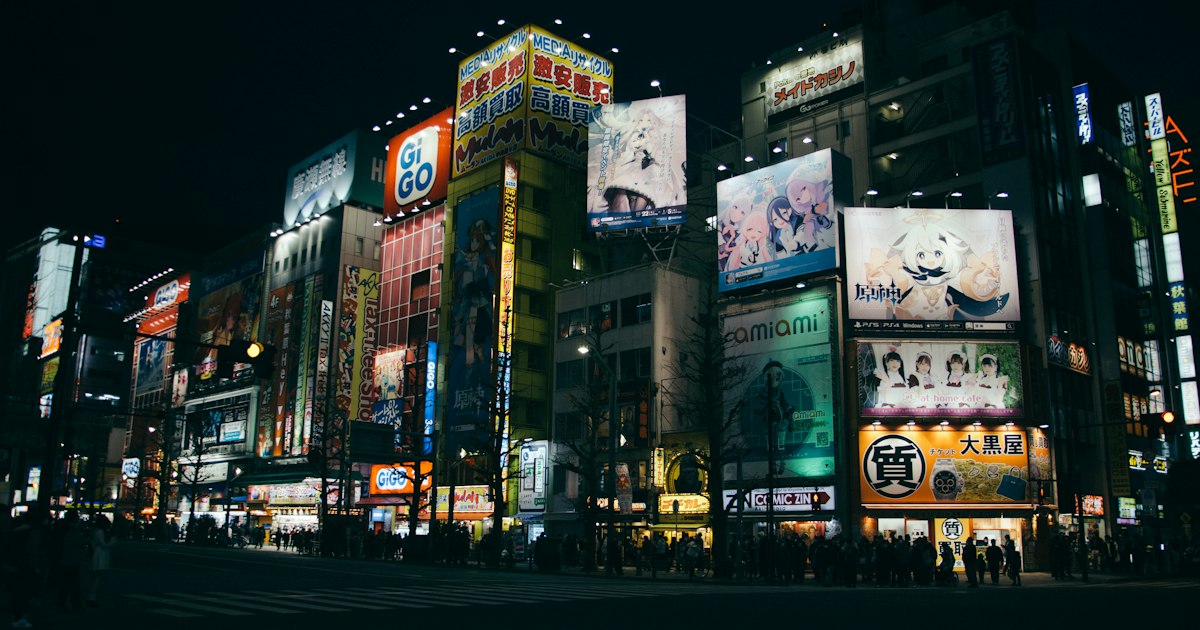
Photo by Chloe Evans on Unsplash
Japan never fully embraced the Korean “PC bang” model of dedicated gaming cafes, but it has its own version that scratches the same itch: manga kissa (manga cafes) with gaming PC booths, plus a small but growing number of purpose-built esports lounges. For a visiting gamer, these spots are cheap, air-conditioned, open absurdly late, and a genuinely fun way to spend a rainy afternoon or a gap between hotel check-out and a late flight. Here’s how the two formats actually differ, what they cost, and how to avoid the rookie mistakes that trip up tourists.
Manga Kissa vs. Dedicated Esports Lounges
Most “gaming cafes” a tourist will stumble into are actually manga kissa chains — Jiyu Kukan, Media Cafe Popeye, Gera Gera, Kaikatsu Club, and Aprecio are the big names. Originally built around manga libraries and private booths for naps, nearly all of them now offer booths with a gaming PC, a large monitor, a reclining chair, and access to Steam, a drink bar, and sometimes a shower. They’re the closest thing Japan has to a neighborhood PC bang, and you’ll find one near almost any major train station.
True esports-style lounges — rows of identical high-spec gaming rigs, RGB lighting, tournament seating, headsets built into the price — are rarer and concentrated in gaming-heavy districts: Akihabara and Shin-Okubo in Tokyo, and Den Den Town in Osaka. Shin-Okubo in particular is worth knowing about: it’s Tokyo’s Koreatown, and several cafes there run closer to the genuine Seoul PC bang experience, with Korean snacks and ramen delivered straight to your seat while you play.
What It Costs
Manga kissa pricing is time-based with package discounts. Expect roughly ¥450–600 for the first 30–60 minutes, then a lower per-10-minute rate after that. Most chains sell a 3-hour pack for about ¥1,200–1,500 and a “night pack” (typically around 9pm to 9am, called yakan or asa-made) for roughly ¥2,200–2,900 — cheaper than a capsule hotel and a reasonable backup if you miss the last train. Dedicated esports-PC booths with better graphics cards usually carry a surcharge of a few hundred yen per hour over the standard seat. A soft drink bar (and sometimes light soft-serve ice cream or instant ramen) is included in the base rate at most chains; alcohol, if available, is extra.
Dedicated esports lounges in Akihabara or Shin-Okubo tend to charge flat hourly rates instead of tiered packages — often ¥500–900 per hour for a standard seat, more for a premium rig with a mechanical keyboard and high-refresh monitor. Some offer late-night flat-fee blocks similar to manga kissa night packs.
Budget, Mid-Range, and Splurge Picks
- Budget: A standard seat at a manga kissa chain like Kaikatsu Club or Jiyu Kukan during a weekday afternoon — cheapest per-hour rates, no reservation needed.
- Mid-range: A gaming-PC booth (sometimes marketed as a “PC seat” or “e-sports seat”) at the same chains, or a Shin-Okubo PC bang-style cafe with food delivery included in the vibe, if not the price.
- Splurge: A premium rig at a dedicated Akihabara esports lounge with a high-refresh monitor and top-tier GPU, useful if you actually want to play something demanding at playable settings rather than just kill time.
Opening Hours and Best Timing
Most manga kissa and gaming cafes are open 24 hours or close to it; dedicated esports lounges tend to run shorter hours, often 10am or 11am to around midnight or 1am, with some exceptions open all night on weekends. The cheapest, quietest time to go is early afternoon on a weekday — evenings and weekends after work and school hours get busy with regulars, and you may wait for a PC seat in Akihabara on a Saturday night. If you’re using one as an overnight sleep option, arrive before midnight; many chains stop accepting new overnight check-ins in the small hours.
Seasonally there’s no real “best season” — these are indoor, climate-controlled spaces that are just as useful as an air-conditioned refuge in the brutal humidity of a Tokyo August as they are for killing a cold, rainy afternoon in February.
How to Get There and What to Bring
Akihabara Station (JR Yamanote/Keihin-Tohoku or Hibiya/Tsukuba Express lines) puts you in the middle of Tokyo’s biggest cluster of gaming spots within a five-minute walk. Shin-Okubo is one stop from Shinjuku on the JR Yamanote Line. In Osaka, Den Den Town is a short walk from Nippombashi Station. Tap in with your IC card as usual — if your card or ticket won’t scan at the gate on the way there, here’s what to do when your IC card or ticket won’t open a Japanese train gate.
Bring your passport. Almost every manga kissa and gaming cafe requires a one-time free membership sign-up with ID before you can use a seat, even for a single hour — this catches a lot of first-timers off guard. If you’re arriving straight from a hotel check-out with luggage, note that most of these cafes have no real baggage storage beyond a small locker at your seat, so it’s worth stashing bigger bags at the station first; see this guide to where to stash your bags at the station for options near Akihabara and Shin-Okubo.
Common Mistakes to Avoid
- Assuming all seats are equal. “Flat” or reclining seats are for reading/sleeping and often don’t have a gaming-grade PC. Ask specifically for a PC seat or gaming seat (PC席 / ゲーミング席) at the front desk.
- Skipping the membership step. You cannot just walk in and sit down; staff will ask you to fill out a form and show ID first, which can take a few minutes during busy hours.
- Missing the under-18 curfew. Japanese law restricts minors from staying in manga kissa and amusement-type cafes late at night (generally after 10pm or so, varying slightly by prefecture), so if you’re traveling with teenagers, check the venue’s posted rules.
- Buying gear instead of renting it. If you’re tempted to pick up a controller, headset, or capture card while you’re in Akihabara, remember that Japanese consumer protection for tourists on defective electronics is limited — worth reading how to return a defective product bought at a Japanese electronics store as a tourist before you buy anything at the register.
- Forgetting the retro arcade angle. If PC gaming isn’t really your interest and you’re more drawn to Japan’s arcade culture, pair your Akihabara or Den Den Town visit with a stop at an older-style game center — our guide to hunting old-school coin photo booths in Osaka’s retro game centers covers a different, equally fun slice of the same neighborhoods.
Is It Worth It for a Short Trip?
If you’ve got a free evening, a long layover window, or just want air conditioning and a cheap seat between sightseeing blocks, yes — a couple of hours at a manga kissa gaming booth costs less than a movie ticket and gives you a genuinely local experience most tourists never see. If competitive PC gaming at home is a serious hobby, the dedicated Akihabara and Shin-Okubo lounges are worth seeking out specifically for the hardware. Either way, treat it as a practical, low-cost stop on a gaming-themed day rather than a destination unto itself.