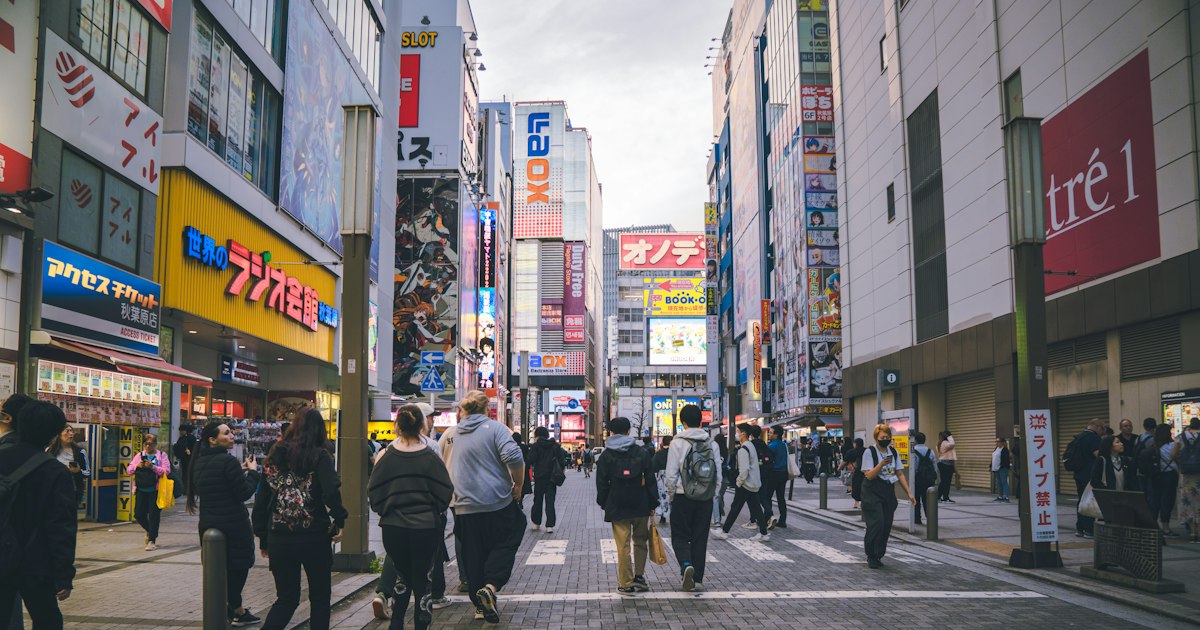
Photo by Alexandre Valdivia on Unsplash
You unbox your new rice cooker or camera back at the hotel and discover it doesn’t power on, or a seam is cracked, or the box is missing a part. In most countries you’d just walk it back to the shop. In Japan, the process works a little differently — returns for buyer’s remorse are essentially nonexistent, but exchanges for genuine defects are very much possible if you move quickly and bring the right paperwork. Here’s exactly how to handle it.
Japan’s Return Policies Are Different From What You’re Used To
Japanese retail culture draws a sharp line between a “defective item” (不良品, furyouhin) and simply changing your mind. The latter is almost never accepted — once a box is opened, most electronics stores will not take an item back just because you decided you didn’t want it. A genuine manufacturing defect is a different story, and stores are generally cooperative, but only within a short window, usually somewhere between 7 and 10 days of purchase, and only if you still have the receipt, the original box, and all accessories. After that window closes, you’re typically routed to the manufacturer’s own warranty service rather than the shop.
This matters for trip planning: if you buy a rice cooker, camera, or small appliance early in your trip, test it that same day or the next, not after you’ve flown home. Testing it in your hotel room the night of purchase is the single best habit to adopt.
Your First 20 Minutes: What to Do the Moment You Spot a Defect
Before you go anywhere, take photos and a short video of the problem — a blank screen, a loose battery door, visible cracking — timestamped by your phone. Repack the item in its original box with all cables, manuals, and the warranty card. Dig out the receipt (レシート) and, if it was a tax-free purchase, your passport and the tax-free paperwork stapled inside the bag. Japanese sales staff will generally ask for the receipt first; without it, an exchange becomes much harder even within the defect window, since staff need the register transaction to process a refund or swap.
If you’re traveling with minimal luggage and don’t want to lug a boxed appliance around for a day of sightseeing before heading back to the store, it’s worth knowing that many major stations offer coin lockers or staffed baggage services — the same ones covered in our guide to stashing bags at the station for day trips work just as well for a boxed defective gadget you’re ferrying back to a shop.
Where You Bought It Matters
Large chains — Bic Camera, Yodobashi Camera, Yamada Denki — have standardized service counters (サービスカウンター) on one of the upper floors, and staff there handle defect exchanges routinely, including for tourists. Bring the item to that counter rather than the sales floor. Big Akihabara branches like Yodobashi Akiba (near Akihabara Station’s Electric Town exit) are open roughly 9:30–22:00 daily, and Bic Camera’s Akihabara and Yurakucho stores run about 10:00–21:00, so there’s no need to rush first thing in the morning — though arriving on a weekday rather than a weekend will mean a much shorter wait at the service counter.
Smaller specialty shops, especially the independent stores in Osaka’s Den Den Town (Nipponbashi), are a mixed bag. Many are excellent for rare parts and secondhand gear but have no formal return system at all — the owner decides case by case, which is where a few polite words of local dialect can genuinely help smooth things over; our Kansai-ben phrase guide is useful if you end up negotiating with a Nipponbashi shopkeeper. Note that a fair number of Den Den Town shops close on Wednesdays, so don’t plan your return trip for that day. Den Den Town is reachable via Nankai Namba Station or Kintetsu/Sakaisuji Nippombashi Station, a few minutes’ walk from the shopping street.
The Tax-Free Purchase Complication
If you bought the item tax-free (the 10% consumption tax waived at the register with your passport), returning it adds a wrinkle: the tax-free paperwork is tied to that specific transaction and item, and you’re required to have exported it unopened in the case of certain goods, or at minimum to still have the tax-free slip and passport record. If the store issues a refund, they will typically reverse both the price and the tax exemption together — ask the counter staff to confirm this explicitly, since getting it wrong can create issues if customs checks your tax-free bag on departure. If you’re exchanging for an identical working unit rather than refunding, this is usually simpler, since the tax-free sale itself isn’t being cancelled.
If the Store Won’t Help: Manufacturer Service Centers
Past the store’s own return window, your recourse is the manufacturer’s warranty (保証書, hoshousho) that came in the box. Japanese manufacturer warranties are usually valid only for use and repair within Japan, which is a real limitation if your defect surfaces after you’ve flown home — repair-by-mail from abroad is rarely practical for anything but high-end camera gear. If you’re still in Japan, calling the manufacturer’s support line is standard, though don’t be surprised if the official channel for scheduling a repair pickup is a fax number rather than an email form — Japan’s appliance and camera makers still lean on fax for exactly this kind of administrative request, a quirk covered in more depth in our piece on Japan’s enduring fax culture. A hotel concierge or your accommodation’s front desk can usually send a short fax on your behalf if it comes to that.
Common Mistakes That Sink a Return
- Throwing away the box. Japanese electronics retailers almost universally require the original packaging for any exchange — recycle nothing until the item is confirmed working.
- Losing the receipt. Credit card statements are not an accepted substitute; the paper or digital register receipt is what staff scan.
- Waiting too long. A defect reported on day 12 of a 10-day window is, in most stores’ eyes, no longer their problem — test purchases immediately, especially if you’re buying early in a multi-city itinerary.
- Assuming a refund is coming. Many stores will only offer a like-for-like exchange, not cash back, particularly for opened items. Ask which outcome is possible before you get your hopes up.
- Expecting English-language support everywhere. Large chains near Akihabara and Shinjuku usually have English-speaking or English-sign-equipped staff; smaller neighborhood shops often don’t, so a translation app ready to go saves a lot of frustration.
Budget, Mid-Range, and Splurge: How Return-Friendliness Varies
At the budget end, discount appliance outlets and secondhand electronics shops (including the kind of niche resale stores covered in our guide to hobby shops selling RC and drone parts) often sell as-is, with little to no defect recourse — inspect carefully before paying, and test anything with a battery or motor in-store if the clerk allows it. Mid-range purchases at Bic Camera, Yodobashi, or Yamada Denki are the safest bet for tourists precisely because of their standardized, tourist-familiar service counters. At the splurge end — a premium camera, a high-end rice cooker, or audio equipment from a specialist boutique — staff are generally more attentive and the ticket price alone often buys a longer, more flexible defect window, but always ask explicitly before paying, since policies aren’t posted and vary store to store.