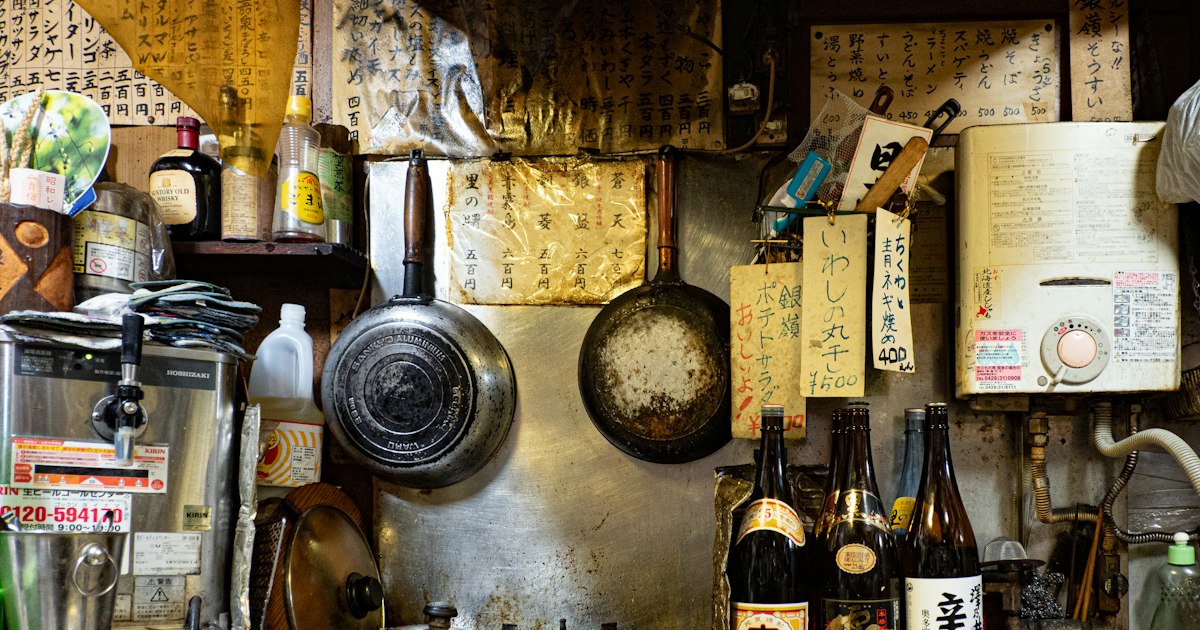
Photo by kaori kubota on Unsplash
If you’ve booked a weekly mansion (ウィークリーマンション) or a compact studio apartment for a stay of a few weeks to a few months, you’ve probably noticed the kitchen is barely a kitchen at all — a single induction hob, a sink, and maybe a mini-fridge, with no rice cooker, no kettle, and one shared electrical breaker that trips if you run two things at once. Eating out every meal in Japan is pleasant but expensive and repetitive over a long stay. A handful of compact appliances, bought cheaply and either resold or given away before you leave, can turn that bare kitchenette into something genuinely livable. Here’s what’s worth buying, what to skip, and where to find it.
Why a Rice Cooker Is the First Thing to Buy
Rice is the cheapest calorie in Japan by a wide margin. A 5kg bag of rice runs roughly 2,000–2,800 yen at any supermarket and will last a single person three to four weeks, compared to 150–400 yen for a single onigiri at a convenience store. But Japanese rice genuinely tastes better pressure-steamed in a dedicated cooker than boiled in a pot — the texture difference is noticeable even in a 3-go mini model. If you’re staying a month or longer, a rice cooker pays for itself within the first two weeks just in convenience-store savings, and it doubles as a way to reheat leftover curry or make simple one-pot dishes.
Picking the Right Compact Rice Cooker
Japanese rice cookers are sized in “go” (合) — one go is 180ml of uncooked rice, roughly two bowls of cooked rice. For a solo traveler or couple, a 3-go (0.54L) model is the right size; anything larger is wasted counter space in a studio.
- Budget (4,000–6,500 yen): Iris Ohyama or Koizumi basic micro-computer models. No fuzzy-logic cooking, just a simple cook/keep-warm switch, but perfectly fine for plain white rice.
- Mid-range (8,000–13,000 yen): Tiger’s JAI or JBH series, or Zojirushi’s compact NL-DT line. These have actual rice-type settings (sushi rice, porridge, brown rice) and noticeably better texture. This is the sweet spot for a month-long stay.
- Splurge (18,000–30,000 yen): Zojirushi or Tiger IH (induction heating) pressure models in 3-go size. Overkill for a short stay unless you’re a serious home cook who wants to ship it back afterward.
Check the wattage before buying — most compact cookers draw 400–700W, which is fine on a shared weekly-mansion breaker, but combined with a kettle and microwave running simultaneously it can still trip the circuit. Stagger your appliance use in the first few days until you know the apartment’s limits.
Where to Buy: Electronics Chains vs. 100-Yen Shops
For the rice cooker itself, go to a large electronics retailer: Yodobashi Camera or Bic Camera (both typically open 10:00–21:00 daily) have the widest selection and will often have tax-free counters for visitors spending over 5,000 yen before tax, though a rice cooker alone rarely hits that threshold — check if you’re bundling it with other electronics. Don Quijote is a reasonable fallback if you’re buying late at night, with a smaller but cheaper selection and stores that stay open until midnight or 24 hours in bigger cities.
For everything else — a cutting board, a small pot, chopsticks, a strainer, dish soap, a drying rack — skip the appliance stores entirely and go to Daiso, Standard Products, or Threeppy. Our guide to Standard Products & Threeppy, Daiso’s premium sister stores, covers which of these nicer-finish kitchen items are actually worth the extra 100–300 yen over basic Daiso stock — useful if you want gear that doesn’t look disposable in photos but still costs almost nothing.
The Mini Kitchen Gear Checklist
Beyond the rice cooker, these are the items that make the biggest difference for the least money:
- Electric kettle (1,500–4,000 yen at Daiso/Don Quijote for basic, up to 8,000+ for Tiger or Zojirushi) — essential for tea, instant miso soup, and cup noodles. See our Tiger & Zojirushi electric kettle buying guide if you want something nicer than the 100-yen-shop basics.
- A rice paddle (shamoji) — comes with most cookers, but if yours doesn’t include one, a plain shamoji is under 150 yen at any supermarket; the novelty ones covered in our shamoji guide make a cheap, genuinely Japanese souvenir once you’re done with it.
- One deep pot and one small frying pan — around 800–1,500 yen each at Daiso or Seria, enough for instant ramen, stir-fries, and simple soups.
- A compact cutting board and single knife — many weekly mansions supply nothing sharper than a butter knife.
- Tupperware or a bento box — for packing cooked rice as lunch, which is the single biggest money-saver on a long stay.
Groceries: What to Actually Cook
Once you have the equipment, the easiest long-stay meals are rice plus a simmered or stir-fried side. Regular supermarkets (Life, Seiyu, OK Store) are cheapest for daily basics. If you want higher-quality imported staples — good olive oil, cheese, coffee beans, or familiar Western pantry items — Seijo Ishii is worth a visit; it’s pricier than a standard supermarket but far cheaper than eating at a restaurant for the same ingredients.
Common Mistakes to Avoid
- Buying a cooker too large. A 5.5-go “family size” cooker looks like a better deal per yen, but it won’t fit on a studio counter next to anything else, and it’s wasted capacity for one or two people.
- Ignoring the IH-only stovetop. Many weekly mansions have induction hobs, not gas. Any pot or pan you buy needs an IH-compatible flat magnetic base — check the bottom of the pan or the packaging before buying, since not all cheap cookware is IH-rated.
- Forgetting 100V is standard but plugs vary slightly. Japan runs on 100V with Type A (two-flat-pin) plugs — fine for most travelers’ home appliances, but double-check any device you bring from a 220–240V country.
- Buying everything brand new. Recycle shops (hard-off, 2nd Street) and local Jimoty listings often have secondhand rice cookers and kettles from other short-term residents for half the retail price.
When You Leave: Resell, Donate, or Ship
Hauling a rice cooker home is rarely worth it unless it’s a splurge-tier model. The easiest exit, timed for your last week in Japan, is listing it on Jimoty (free, pickup only) or Mercari (for smaller items you can ship cheaply within Japan) a few days before checkout. Many weekly-mansion operators and share houses also keep a shelf for outgoing tenants’ kitchenware — ask your building manager if one exists before you default to throwing anything away, since large-item disposal in Japan usually requires a paid sticker and advance scheduling with the local ward office.