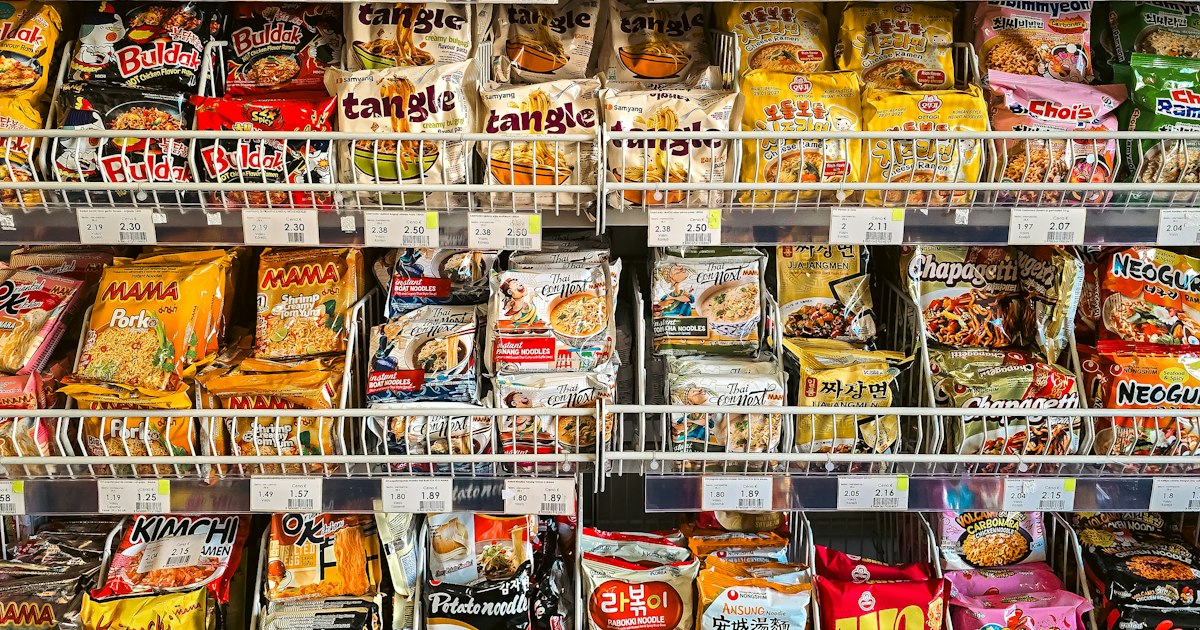
Photo by Zoshua Colah on Unsplash
If you’ve ever wandered into a Japanese supermarket expecting rice balls and instant noodles and instead found yourself staring at a wall of French cheese, Italian olive oil, and a freezer case full of surprisingly good croissants, you’ve probably stumbled into Seijo Ishii (成城石井). It’s one of Japan’s most useful stops for travelers — part gourmet grocery, part souvenir shop, part “how is this frozen food this good” education. Here’s what it is, where to find it, and what’s actually worth buying.
What Is Seijo Ishii, Exactly?
Seijo Ishii started in 1974 as a small wine and liquor shop in the upscale Seijo neighborhood of Setagaya, Tokyo, and grew into a nationwide chain of more than 180 stores. It sits a notch above a regular supermarket like Life or Seiyu — more imported goods, more private-label products developed in-house, and noticeably more care put into cheese, wine, charcuterie, and bakery items. It’s not a specialty boutique either; it’s a full grocery store, just one where the buyer clearly has good taste and a direct-import operation behind them. Locals use it for everyday shopping in affluent neighborhoods, but it’s become just as popular with tourists hunting for interesting, well-made souvenirs and travel snacks.
Where to Find a Branch
Seijo Ishii stores are concentrated in Tokyo, Kanagawa, and the Kansai region, with a strong presence inside train stations — look for “ekinaka” branches tucked into the concourses of JR and private rail stations, which are perfect for grabbing something on the way to a train. Convenient locations for visitors include branches inside Tokyo Station, Shibuya Station, Shinjuku Station, and several spots in Ginza and Omotesando. Crucially, there are also outlets at Narita Airport (Terminals 1 and 2) and Haneda Airport, making it one of the easiest places to pick up last-minute, well-packaged gifts before a flight. Most locations are open roughly 10:00–21:00 or later, though station and airport branches often open earlier and close later — always check the specific branch, since hours vary more than at a typical convenience store chain.
The Famous Frozen Food Aisle
Ask any Tokyo resident what to buy at Seijo Ishii and they’ll point you straight to the frozen food case. This is the chain’s real claim to fame. Standouts include the frozen croissants (around ¥500–600 for a pack of several, baked at home in minutes), frozen beef stew and demi-glace dishes, and an excellent frozen Mille Crepe cake (roughly ¥1,200–1,500) that regularly sells out. These won’t survive a long-haul flight home, but if you’re staying in a hotel or apartment with even a toaster oven, they’re a genuinely great way to eat well without cooking from scratch — and far better than typical supermarket frozen food in most other countries.
Wine, Cheese, and Imported Treats
Seijo Ishii does its own wine importing, which means prices on mid-range bottles are often better than you’d see at a regular liquor shop, with plenty of options in the ¥800–2,000 range alongside a smaller selection of splurge-worthy bottles. The cheese counter is one of the better ones you’ll find in a Japanese grocery store, with a rotating selection of French, Italian, and Japanese artisanal cheeses sold by weight. It’s also a good place to stock up on specialty tea if you’re building a gift box — the shelves carry quality hojicha and sencha brands, and if you want to understand what to look for before you buy, our guide to hojicha and the best brands to buy covers what separates a good roast from a mediocre one.
Best Souvenirs and Gifts to Buy
For omiyage that travel well, focus on shelf-stable items rather than the frozen case. Good picks include their private-label jam and marmalade (around ¥500–800), imported chocolate and biscuit tins, dried fruit and nut mixes, curry roux blocks, and bottled salad dressings that are genuinely hard to find outside Japan. The in-house baked goods counter, where it exists, also sells individually wrapped cookies and financiers that make easy, inexpensive gifts for coworkers — most items land comfortably under ¥1,000. If you’re putting together a broader gift-shopping itinerary around department stores and specialty retailers, it’s worth comparing Seijo Ishii’s curated-but-everyday approach to the more fashion-focused model described in our guide to Beams, United Arrows, and Japan’s select shop culture — both reflect the same Japanese retail instinct for careful curation, just applied to groceries instead of clothing.
Timing, Hours, and Common Mistakes
The biggest mistake visitors make is treating every Seijo Ishii like the flagship store — branch size varies enormously, from large suburban supermarkets to small station kiosks with a fraction of the selection. If you’re hunting for a specific cheese or wine, a bigger freestanding location (rather than a tiny station counter) will serve you better. Second mistake: showing up right before closing hoping for discounts — unlike convenience stores, markdowns on prepared food are inconsistent and not guaranteed. Third: buying frozen items without a clear plan to cook them same-day, since hotel room freezers are rare. Weekday late mornings tend to be quieter than weekend afternoons, when the prepared-food and bakery sections get picked over. There’s no major seasonal swing to plan around, though the run-up to Christmas and New Year sees expanded wine and gift-set selections worth browsing if you’re there in December.
Budget, Mid-Range, and Splurge Picks
On a budget, the jam, dressings, and individually wrapped cookies (¥300–800) make easy, packable gifts. For mid-range shopping, the frozen croissants, a bottle of imported wine, and a wedge of cheese (roughly ¥1,500–3,000 total) make for a solid self-catered dinner if you’re staying somewhere with a kitchenette. If you want to splurge, look for the limited-edition gift tins and higher-end wine selections that can run ¥3,000–8,000, often beautifully packaged and worth it for someone back home who appreciates good food. Whatever your budget, it’s one of the few grocery stores in Japan where browsing itself is genuinely enjoyable — treat it less like a chore stop and more like a quick, tasty detour between sightseeing and your next train.