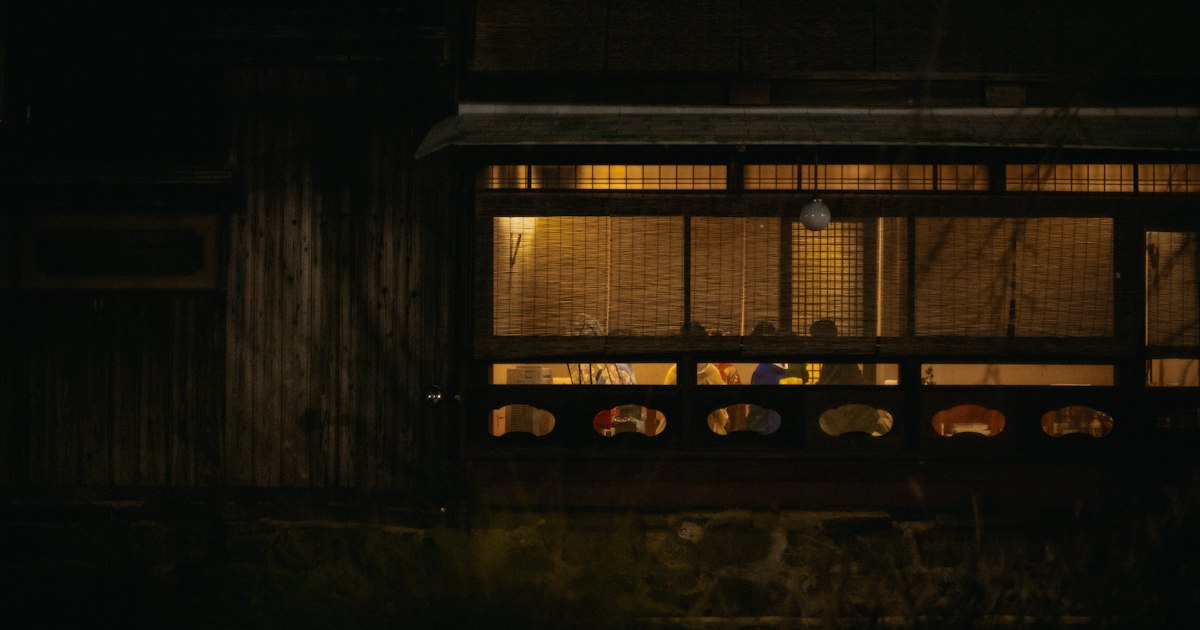
Photo by Jason Leung on Unsplash
Walk through almost any older neighborhood in Japan in June and you’ll see them: rolled lengths of thin bamboo or reed hanging outside windows and shopfronts, swaying slightly in the breeze. These are sudare (簾), Japan’s traditional answer to summer heat and glare, and they’ve been used since the Heian period — you can spot them in illustrated scrolls of The Tale of Genji, where court blinds called misu served the same purpose behind palace verandas. For visitors, a sudare makes one of the more satisfying souvenirs from a Japan trip: it’s lightweight, unmistakably Japanese, and actually useful once you get it home. This guide covers what to look for, where to buy one, and how much you should expect to pay.
What Sudare Are Used For
A sudare is woven from thin strips of bamboo (take) or a reed called yoshi or ashi, strung together with cotton or synthetic thread so the whole thing rolls up like a scroll. The two main uses you’ll encounter are:
- Exterior sunshades (hiyoke sudare): hung outside windows or under eaves to block direct sun while still letting air through — a low-tech precursor to the AC unit that’s still standard on older Japanese houses.
- Interior and tabletop pieces: smaller sudare are used indoors as room partitions, as rustic placemats, or as a backdrop for serving cold noodles and sashimi in summer. A related but distinct item is the makisu, the small tight bamboo mat used specifically for rolling sushi — don’t confuse the two when shopping, since vendors sometimes shelve them together.
Osaka in particular has a long-standing reputation for sudare craftsmanship; “Osaka Sudare” is officially recognized as a traditional craft by Japan’s Ministry of Economy, Trade and Industry, tied to the historic Semba merchant district, which once supplied blinds to shops and townhouses across the Kansai region.
Where to Buy Sudare: Budget to Splurge
You don’t need to hunt down a specialist shop unless you want one — sudare are sold at several price tiers depending on how far you want to go.
- Budget (¥100–¥500): 100-yen shops like Daiso and Seria carry small bamboo placemats and mini tabletop sudare, usually around 30–40cm, perfect as a light souvenir that packs flat.
- Mid-range (¥1,000–¥5,000): Japanese home centers (DIY chains like Cainz, Komeri, and Kahma, usually found on the edge of town or near train stations in suburban areas) stock full-size exterior sudare in standard widths of around 88cm and 99cm, priced from roughly ¥1,500 to ¥4,000 depending on bamboo density. General lifestyle stores such as Tokyu Hands, Loft, and Muji also sell simplified, modern versions in their seasonal home goods sections, generally in the ¥2,000–¥5,000 range.
- Splurge (¥8,000 and up): Handmade reed or bamboo sudare from traditional craft shops, with tighter weaving and finished edges, run from around ¥8,000 into the tens of thousands of yen for larger or custom sizes. These are the ones worth seeking out in Osaka’s old merchant districts or at department store craft floors (depachika-adjacent craft sections) in Takashimaya or Daimaru.
If you’re also interested in other traditional Japanese home pieces while you’re shopping, the same mid-to-high-end shops and antique districts that sell sudare often carry items covered in our guides to tansu chests and koro incense burners — all three make sense as part of one home-goods shopping trip.
Best Season and Timing to Shop
Sudare are a seasonal item in Japanese retail, which affects both availability and price. Home centers and lifestyle stores start stocking them in late April through May, ahead of the rainy season and summer heat, with the widest selection in June and July. If you’re visiting in high summer and just want one cheaply, wait until late August or September — many stores mark down remaining stock 30–50% once the season winds down. The tradeoff is reduced selection; if you want a specific size or a nicer handmade piece, shop in May or June instead.
Choosing the Right Size and Material
Before buying, measure the window or space you intend to use it for — sudare are sold by width (usually 88cm, 99cm, or custom) and length (commonly 120cm or 180cm), and an exterior sunshade works best when it’s at least as wide as the window frame plus a few centimeters of overlap. Bamboo sudare are stiffer and more durable outdoors; reed (yoshi) versions are lighter, slightly more delicate, and often preferred for indoor use or as a softer-looking accent. If you’re buying purely as a decorative souvenir rather than a functional blind, size matters less — a small tabletop piece or wall-hanging version will do.
Common Mistakes to Avoid
- Buying an indoor-only piece and hanging it outside. Thin reed or finely finished decorative sudare will warp or discolor quickly in rain and direct sun. Check the packaging or ask staff whether it’s rated for outdoor (okugai) use.
- Not accounting for bulk when packing. A full-size rolled sudare is awkward in a suitcase — it’s long, rigid, and doesn’t compress. If you’re tight on luggage space, buy a smaller tabletop or placemat-style version instead, or ask the store about shipping it separately to a hotel or home address (many larger stores can arrange domestic courier shipping, and some will ship internationally for an added fee).
- Confusing sudare with noren or goza. Noren are the fabric curtains hung in shop doorways, and goza are woven tatami-style floor mats — all three are sold in similar shops and sometimes displayed near each other, so double-check what you’re actually picking up.
- Assuming any bamboo item at a souvenir shop is an authentic Osaka Sudare. The officially certified craft comes from specific workshops in the Kansai region; mass-produced imports are common and perfectly fine for a quick purchase, but if you want the real regional craft, ask specifically or buy from a shop that states it on the label.
A Note for Longer Stays
If you’re in Japan for an extended stay rather than a short visit — say, renting a weekly mansion or monthly apartment as described in our guide to mid-term housing options — a sudare is a genuinely practical purchase rather than just a souvenir. Japanese summers are humid and many short-term rentals have older air conditioning units or large, sun-facing windows; hanging an exterior sudare can measurably cut down on afternoon heat buildup for a few thousand yen, and it rolls up and stores flat when you move out.
Whether you end up with a ¥200 tabletop mat from Daiso or a hand-finished Osaka Sudare piece from a Semba craft shop, it’s one of the few traditional Japanese items that’s both decorative and still does the exact job it was designed for centuries ago.