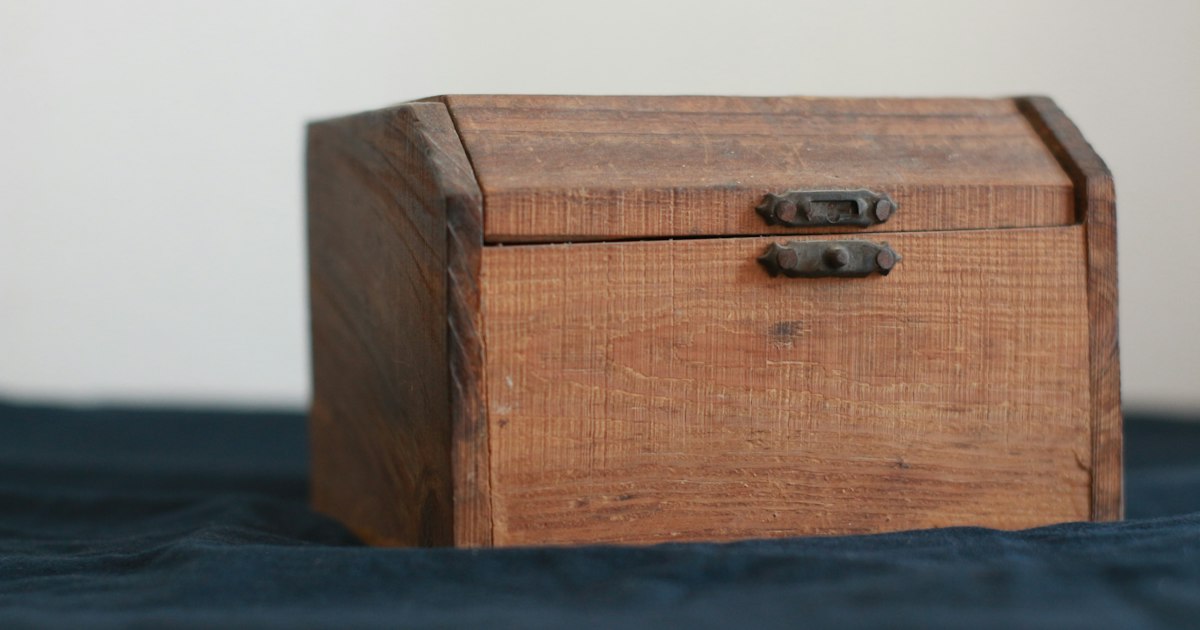
Photo by OWN FILTERS on Unsplash
A tansu is more than a chest of drawers. These joinery-and-iron cabinets were built for merchants, farmhouses, and kitchens across Edo- and Meiji-era Japan, and the good ones were made to survive earthquakes, fires, and a few generations of hard use. If you’ve seen one in a Kyoto machiya guesthouse or a design magazine and want to bring one home, here’s what you’re actually buying, what it should cost, and where to find a real one — or an honest reproduction — without overpaying for either.
What “tansu” actually covers
Tansu is a catch-all term, and knowing the subtypes helps you avoid paying antique prices for a mislabeled piece. The most commonly seen types in shops:
- Kaidan tansu — staircase chests, originally built into the stairs of merchant houses. Genuinely old examples are rare and expensive (¥300,000–¥1,200,000+); most “kaidan tansu” sold today are later reproductions sized for display, not actual stairs.
- Choba tansu — low merchant’s accounting chests with a hinged writing surface, often the most affordable antique category (¥60,000–¥250,000).
- Mizuya tansu — kitchen cabinets with sliding doors and small drawers, popular with Western buyers for their grid-like look (¥80,000–¥400,000 depending on wood and age).
- Funa tansu — ship chests, heavily iron-banded and built to survive being thrown overboard in a storm. These are the priciest and most faked category; expect ¥200,000 to well over ¥1,000,000 for verified originals.
Most “antique” tansu on the market date from late Meiji to early Showa (roughly 1890s–1930s), not the Edo period. A dealer who says “Edo period” without hesitation on a piece priced under ¥500,000 should be questioned — true Edo-era tansu are museum-grade and priced accordingly.
Buying an original: markets and dealer streets
The best prices and the most fun come from Japan’s outdoor antique markets, held monthly rather than daily, so timing matters:
- Oedo Antique Market — held at Tokyo International Forum roughly twice a month, typically 1st and 3rd Sunday, 9am–4pm (check the current calendar before going, as dates shift). Furniture dealers are a minority among ceramics and textiles, but tansu does turn up, often at better prices than fixed shops because dealers want to move bulky items.
- Toji Temple Kobo-ichi Market in Kyoto — held on the 21st of every month, 5am–4pm, with a handful of furniture and tool dealers among the hundreds of stalls. Go early; good pieces move fast.
- Kitano Tenmangu Tenjin-ichi Market in Kyoto — held on the 25th of every month, similar hours, slightly more antique-focused than Toji.
- Furumonzen-dori and Shinmonzen-dori in Kyoto — two parallel streets near Gion lined with established antique shops (most open roughly 10am–6pm, closed irregularly, so call ahead). Prices are fixed and higher than market stalls, but dealers here generally provide a written description of era and wood, which matters for export paperwork and your own peace of mind.
Winter and early spring tend to have thinner crowds at these markets than the autumn foliage season, which is worth knowing if you want time to actually inspect joinery and hardware rather than queue behind other shoppers.
What to check before you buy
A few minutes of inspection prevents an expensive mistake:
- Wood — kiri (paulownia) is light, fine-grained, and used for the best mizuya and clothing chests; keyaki (zelkova) is heavier and more prized, often used for drawer fronts over a cheaper cedar or pine carcass. Ask which parts are which — a “keyaki tansu” with only a thin veneer of keyaki is common and should be priced accordingly.
- Hardware — hand-forged iron pulls and locks show hammer marks and slight asymmetry. Machine-stamped, perfectly uniform hardware usually signals a later restoration or an outright reproduction.
- Repairs — old tansu were repaired for generations, and replaced panels or drawer bottoms aren’t dealbreakers, but ask what’s original. A fully “restored” piece with new lacquer and new hardware is really a reproduction shell with an old frame, and should be priced closer to a reproduction.
- Smell and insect damage — a musty, damp smell or small bore holes mean the piece spent decades in a humid storehouse (kura). This isn’t automatically disqualifying, but factor in a proper airing-out period before the chest comes anywhere near your home.
Buying a reproduction instead
If you want the look without the restoration gamble, several Japanese furniture makers still build tansu using traditional joinery, just with new wood and finishing. Reproductions run roughly ¥100,000–¥500,000 for a mid-size piece, and they have real advantages: no insect history, drawers that still run smoothly, and hardware you don’t have to baby. Kyoto and Takayama both have small workshops producing these, and department stores like Takashimaya occasionally carry curated traditional-furniture selections in their home goods floors. A reproduction is also the sensible choice if you’re furnishing a vacation rental or an Airbnb rather than collecting — nobody needs museum-grade joinery under a TV stand.
Shipping, customs, and sizing reality
This is where tansu shopping differs from buying a koro or a set of mahjong tiles you can carry home in a suitcase — see our guide to koro incense burners and riichi mahjong tile sets for examples of compact antique buys. A tansu has to be crated and shipped. Reputable Kyoto and Tokyo antique dealers can arrange international shipping, usually quoting separately from the furniture price; budget ¥30,000–¥80,000 for crating and sea freight to North America or Europe on a mid-size chest, with transit taking six to ten weeks. Air freight is faster but can double or triple that cost. If you’re mid-trip and don’t want to commit to shipping yet, or you’ve bought a piece you need to store while you keep traveling, a short-term option is a Japanese storage unit — our guide to renting a trunk room in Japan covers how these work for visitors with awkward timing.
Common mistakes to avoid
- Buying on era claims alone. Ask for the wood type and construction details, not just a century. Dealers at fixed-location shops on Shinmonzen-dori are generally more reliable on this than market stalls, but always ask.
- Ignoring humidity at home. Kiri and keyaki move with seasonal humidity. A chest that fit perfectly in a Kyoto shop can have sticking drawers in a centrally heated apartment; ask the dealer about seasonal care.
- Forgetting the hardware is often the valuable part. Original hand-forged locks and pulls get swapped onto cheaper frames by less scrupulous sellers. If the hardware looks exceptional but the wood looks ordinary, ask directly whether they were married later.
- Underestimating total cost. The sticker price is rarely the final price once crating, shipping, and possible customs duties are added — get a full landed-cost estimate before you commit.
Done carefully, a tansu is one of the few souvenirs from Japan that gets more interesting with age rather than less — a piece of furniture with a biography, sitting in your living room instead of a museum case.