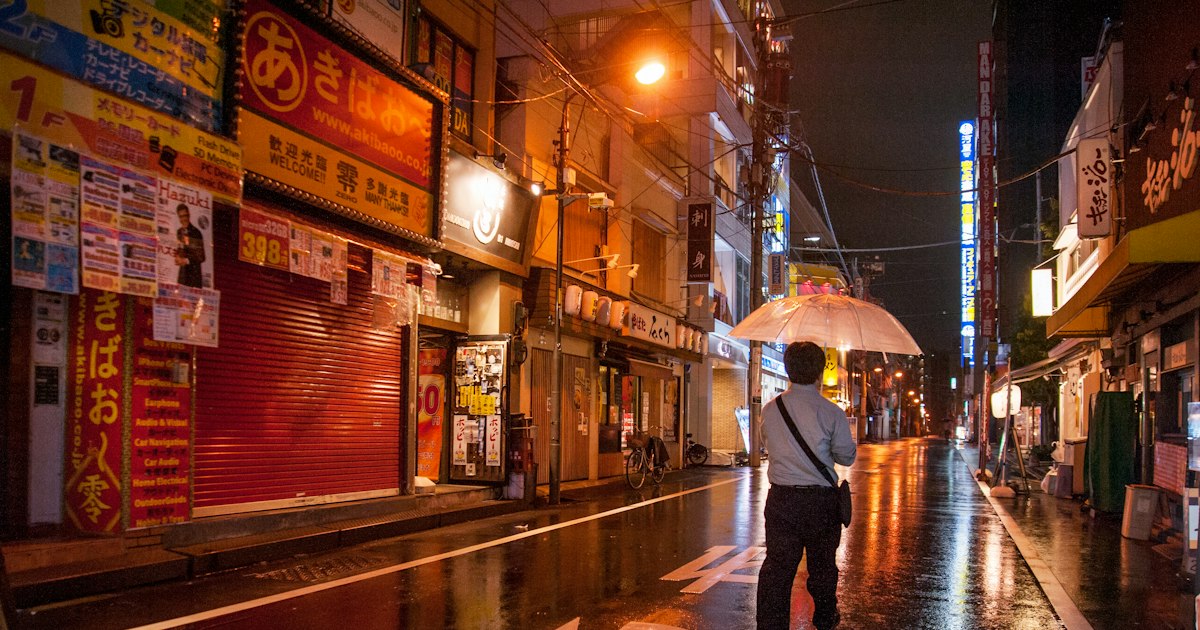
Photo by Evgeny Matveev on Unsplash
A sudden gust turns your umbrella inside-out, one rib snaps, and the whole canopy sags like a broken wing. In most countries, that’s the end of the umbrella’s life — you toss it at the next konbini bin and buy a 500-yen replacement. In Japan, that instinct is worth resisting. This country still has working umbrella repair shops, some family-run for three or four generations, that can swap a bent rib, retension a frame, or re-cover a torn panel for a fraction of what a new quality umbrella costs — and the result often outlasts the original.
Why Repair Instead of Replace
Japanese umbrella culture treats a good umbrella (kasa, 傘) as an object worth maintaining, not a disposable convenience-store item. A well-made Western-style folding umbrella (koumorigasa, こうもり傘) with a wooden handle and tempered steel ribs can run ¥15,000–¥40,000 new, and these are built to be serviced rather than discarded — the ribs, runner, and tips are all replaceable parts. If you bought a nicer umbrella in Japan, or inherited a family one, a broken rib isn’t a death sentence. It’s also a genuinely interesting shopping-district detour: watching a craftsman re-string a canopy by hand is a small, memorable slice of old Tokyo or Kyoto that most visitors never see.
Tokyo’s Go-To Umbrella Specialist
The best-known address for this is Maehara Koen-do (前原光栄商店) in Yanagibashi, near Asakusabashi Station, a short walk from Asakusa. The shop has been hand-making and repairing Western-style umbrellas since 1948, and — importantly — they’ll repair umbrellas you didn’t buy there, including a single broken rib, a bent runner, or a torn canopy panel. Bring the umbrella in during normal weekday business hours (roughly 9:00–18:00; they’re typically closed Sundays and holidays, so call ahead or check before making the trip, since small family-run shops sometimes adjust hours seasonally). Staff will inspect the frame on the spot and give you a quote before starting — there’s no appointment system, so expect to wait a short while if they’re mid-repair on another piece.
For visitors based in Ginza instead, it’s worth asking at the major department stores (Mitsukoshi, Matsuya) — several maintain in-house or send-out umbrella repair counters, though turnaround is slower than a specialist shop since the work is outsourced. If you’re already shopping that part of town, this pairs naturally with a stop covered in our guide to downtown duty-free in Ginza and Shinjuku, since the repair counters and the duty-free floors are often in the same buildings.
Kyoto: Traditional Paper Umbrellas Need a Different Craftsman
If your broken umbrella is a traditional Japanese paper-and-bamboo wagasa rather than a Western folding frame, take it to a wagasa specialist instead — the repair technique is completely different (bamboo ribs, washi paper, and lacquer rather than steel and fabric). Kyoto’s Hiyoshiya, which has made wagasa since the Edo period, is the standard recommendation; they can replace a cracked bamboo rib or re-paper a torn panel, though because each umbrella is handmade, repairs for paper umbrellas generally take longer than for Western-style ones and are priced per job after inspection rather than off a fixed list.
How Much It Costs and How Long It Takes
Pricing is always quoted after the shop actually looks at the frame, since rib gauge, umbrella size, and whether matching fabric or bamboo is in stock all affect cost. As a rough guide for a Western-style folding umbrella:
- Single rib replacement: often in the low thousands of yen per rib.
- Runner or tip repair: similarly modest, usually finished same-day if parts are in stock.
- Full re-covering (new canopy fabric on the existing frame): several thousand yen upward, and this is where repair value really shows — a frame that cost ¥20,000+ new can get a fresh canopy for a fraction of that price.
Simple rib swaps can sometimes be done while you wait or within the same day if the shop has the right part size in stock; re-covering work or anything needing custom fabric usually takes longer and may require leaving the umbrella and picking it up on a later visit or having it shipped to your hotel. Always ask for a time estimate up front if you’re on a tight itinerary.
Best Timing and How to Get There
Go on a weekday morning if you can — small repair shops are often one or two people deep, and a quiet morning slot gets you faster service and more of the craftsman’s attention than a Saturday afternoon. Rainy season (tsuyu, mid-June to mid-July) and early autumn typhoon season are, unsurprisingly, when umbrellas break most and when these shops are busiest, so build in extra buffer time if you’re traveling then. Maehara Koen-do is a few minutes’ walk from Asakusabashi Station on the Toei Asakusa Line or JR Sobu Line, easily combined with a morning in Asakusa. If you’re coming from the Kansai side and heading to a Kyoto wagasa shop, note that getting around Osaka first often involves the same line-choice puzzle covered in our guide on which train line to take from Namba to Kansai attractions — worth a quick check before you plan the day.
Common Mistakes to Avoid
- Throwing it out at the first sign of damage. A single snapped rib looks fatal but is usually the easiest, cheapest fix a repair shop handles.
- Bringing a cheap convenience-store umbrella. Repair shops are set up for quality frames with replaceable parts; a ¥500 vinyl umbrella’s ribs usually aren’t a standard size worth sourcing, and most shops will tell you honestly that replacement is cheaper.
- Not calling ahead. These are small, often one-person operations — a phone check (or asking your hotel concierge to call) saves a wasted trip if the craftsman is out or fully booked.
- Forgetting you’ll need cash or a specific payment method. Old-school craft shops in Japan frequently don’t take cards; carry yen.
- Expecting same-day turnaround for re-covering work. Fabric and paper replacement take real craftsmanship time — don’t plan this for your last afternoon before a flight.
Budget, Mid-Range, and Splurge Options
If you just need a functional umbrella and don’t have time to wait on a repair, a new vinyl or basic folding umbrella from any drugstore or konbini runs ¥500–¥1,500 — the true budget option. Mid-range travelers with a frame worth saving should budget a modest sum for a rib swap at a specialist like Maehara Koen-do, which is inexpensive relative to buying new and comes with the bonus of an interesting shop visit. The splurge route is commissioning a full re-cover on a quality frame, or buying a brand-new handmade Japanese umbrella outright — both land you an object built to be repaired again in another decade, which is really the whole point of visiting a shop like this instead of a department store return counter. It’s the same appreciation for deliberate, hand-finished craft that shows up elsewhere in Japan’s shopping culture, from traditional woodwork to the dedicated pen and paper culture described in our piece on Japan’s stationery cafe culture.