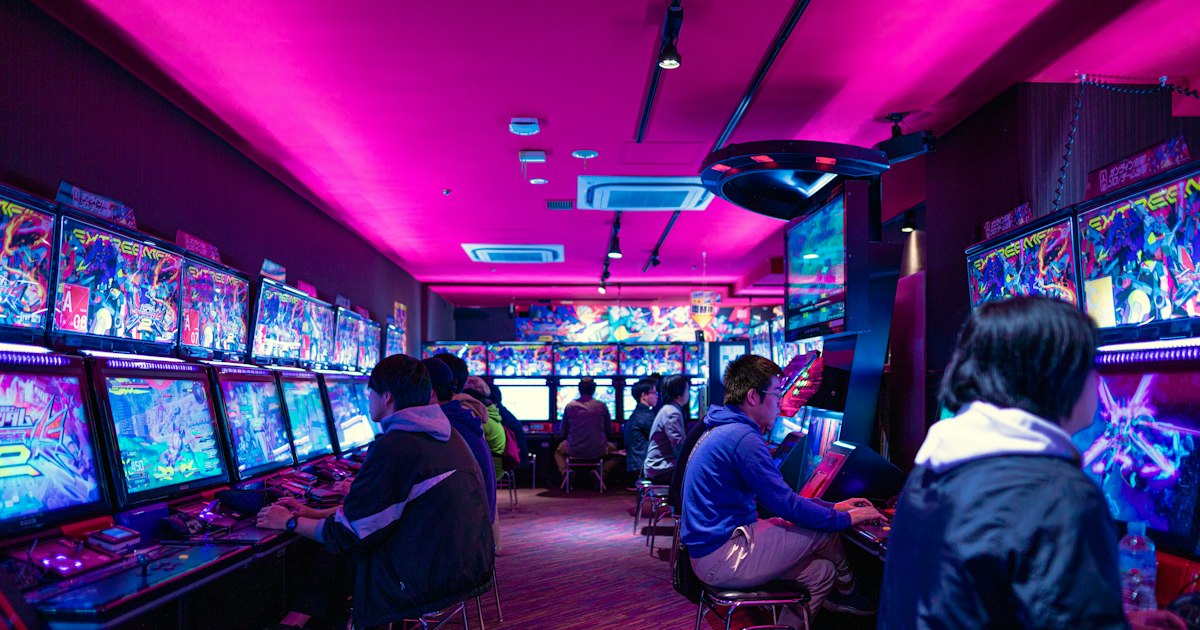
Photo by Jezael Melgoza on Unsplash
Japan basically invented the modern arcade, and in the last decade it’s quietly become one of the best places in the world to strap on a VR headset without owning any equipment yourself. You don’t need a reservation at a specialty lab or a tech-industry connection — just a few thousand yen, closed-toe shoes, and a free afternoon. Here’s where tourists can actually walk in and play, what it costs, and the mistakes that waste half your visit.
What Happened to the Original VR Zone Shinjuku
If you’ve read about “VR Zone” online, know that the original Bandai Namco VR Zone Shinjuku — the one that put Mario Kart VR and Dragon Ball VR on the map starting in 2017 — permanently closed in August 2020. It’s gone, and no amount of wandering around Shinjuku will find it. Bandai Namco didn’t abandon the concept, though; it rebuilt the idea into a new location that’s actually easier for tourists to reach, which is where you should head instead.
Red° Tokyo Tower — Bandai Namco’s Current VR Flagship
Red° Tokyo Tower occupies the 3rd and 4th floors of Tokyo Tower’s FootTown building in Minato-ku, a short walk from Akabanebashi Station (Toei Oedo Line) or Onarimon Station (Toei Mita Line). It opened in 2022 as Bandai Namco’s successor to VR Zone, and it’s the most tourist-friendly VR stop in the city — staff are used to foreign visitors, signage is bilingual, and the building itself (you’re inside Tokyo Tower) is already on most itineraries.
- Hours: typically 10:00–22:00 daily, with last entry around 21:00 (check the official site before you go, as hours shift seasonally).
- Cost: general admission for adults runs roughly ¥2,500–2,800, which covers the non-VR attractions (climbing walls, slides, a go-kart track). Individual VR rides — Mario Kart-style racing, VR coasters, horror experiences — are ticketed separately at about ¥800–1,600 per play. Combo passes bundling admission plus a few VR plays land around ¥4,000–4,500.
- Good for: families and first-timers who want a mix of VR and physical attractions in one visit, not just headset time.
VR Park Tokyo in Shibuya — Walk-In Thrills for Short Visits
VR Park Tokyo sits on the rooftop level of the MAGNET by SHIBUYA109 building, overlooking Shibuya Crossing — convenient if you’re already shopping in the area. It’s smaller and more arcade-like than Red° Tokyo Tower: a rotating lineup of 10–15 short VR experiences (zombie shooters, bungee-style drops, horror rooms, a swing attraction) that each take about 5–10 minutes.
- Hours: generally 11:00–23:00, later than most arcades, which makes it a solid rainy-evening option.
- Cost: pay-per-attraction tickets usually run ¥1,000–1,500 each, with multi-play passes (often around ¥3,500–4,000 for several attractions within a set time window) sold at the counter.
- Good for: couples or small groups wanting a quick 1-hour VR fix between Shibuya shopping and dinner.
Akihabara and Ikebukuro Arcades — Budget VR Between Games
If you’re already doing an Akihabara crawl for electronics or figures — maybe pairing it with a stop to understand Japan’s soft vinyl kaiju figure scene — multi-floor arcade chains like GiGO and Taito Station often carry a VR corner tucked among the crane games and rhythm machines. These are coin-op style, not full “experience centers”: you tap a card or feed in coins, usually ¥500–800 per play, for shorter VR titles (shooting galleries, simple racing, horror shorts). There’s no booking system; you just queue if a machine is busy. It’s the cheapest way to sample VR in Japan, but don’t expect English instructions or staff explanations — the appeal is volume and price, not polish.
Esports-Style VR Lounges for Groups
Separate from the arcade chains, a growing number of small gaming lounges in Akihabara and Shinjuku rent out VR stations alongside esports-style PC booths, usually charging by the hour (roughly ¥1,000–2,000/hour per headset) rather than per play. These spaces are aimed at groups who want to compete head-to-head in VR shooters or rhythm games rather than ride a themed attraction. They’re a better fit if you’re traveling with 3–4 people and want the whole group playing simultaneously instead of waiting in line for one machine — but hours and headset selection vary a lot by shop, so call ahead or check a Japanese-language booking site, since English support is inconsistent at this tier.
Best Time to Visit and Booking Tips
Weekday mornings and early afternoons (opening to around 15:00) are consistently quieter at all of these venues — school-age and local groups fill up after 16:00 and on weekends. VR arcades are also one of the better rainy-day or extreme-heat backup plans in Tokyo, similar in spirit to how year-round ice skating rinks work as a weather-proof activity — both let you swap an outdoor itinerary for an indoor one without feeling like you’re settling. If your trip includes a day at Tokyo Tower or Shibuya already, slot the VR stop into that same day rather than making a special trip; neither venue is really a reason to detour across the city on its own.
Walk-ins are usually fine at Red° Tokyo Tower and VR Park Tokyo except on weekends and holidays, when popular VR attractions can have 20–30 minute waits. If you’re visiting during a busy period — cherry blossom season, Golden Week, or late December — check whether the venue’s website offers timed online tickets, which several now do for at least the headline attractions.
Common Mistakes to Avoid
- Playing on an empty or very full stomach. VR motion sickness is real, and the coaster-style and swing attractions are the worst offenders. Eat a light meal beforehand, not a heavy one right before.
- Wearing glasses you’re attached to. Most headsets fit over glasses, but tight VR goggles can press uncomfortably on frames for a 10–15 minute session — some venues offer corrective lens inserts, but not all, so ask at the counter.
- Assuming cash-only or card-only. Larger venues like Red° Tokyo Tower take IC cards (Suica/Pasmo) and credit cards; smaller Akihabara arcade corners sometimes want coins or a prepaid arcade card. Carry some cash as backup.
- Skipping the height/health warnings. Several VR coasters and drop attractions have minimum height requirements (often around 120cm) and exclude pregnant visitors or those with heart conditions — these rules are enforced, not suggestions.
- Underestimating travel time between neighborhoods. Red° Tokyo Tower and VR Park Tokyo are roughly 20–25 minutes apart by train; don’t plan to “quickly do both” on top of an already packed sightseeing day.
Budget travelers should stick to the Akihabara arcade VR corners and treat it as a ¥500–1,000 novelty between other activities. Mid-range visitors get the best value at VR Park Tokyo or Red° Tokyo Tower’s combo passes, spending roughly ¥3,500–4,500 for a genuinely full VR session. If you want the splurge version, book a private group slot at one of the esports-style lounges so your whole party plays together rather than taking turns — it costs more per hour but turns a solo novelty into a shared one.