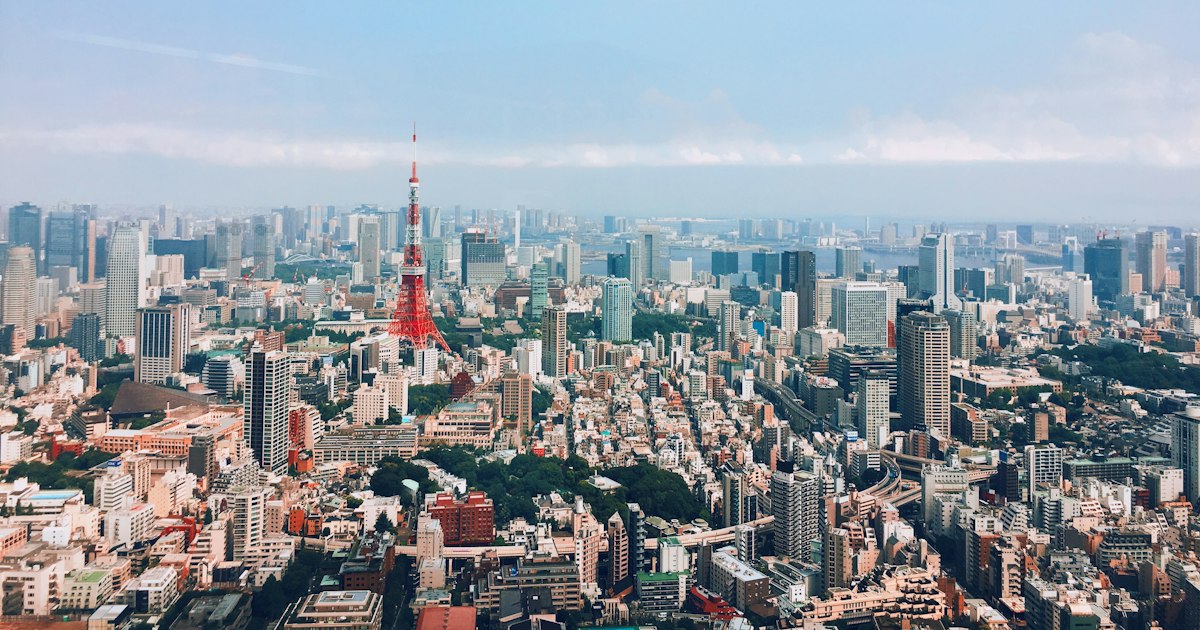
A helicopter flight is the fastest way to understand Tokyo’s scale or to see Mount Fuji’s full cone without a six-hour round trip to a viewing platform. It’s also one of the easier “big splurge” activities to book in Japan, since most operators take same-week reservations and run flights daily, weather permitting. Here’s what a flight actually costs, where you board, and how to avoid getting bumped by a cloud ceiling you didn’t check.
Where These Flights Actually Depart From
Almost all Tokyo sightseeing helicopter flights leave from Tokyo Heliport in Shin-Kiba, Koto Ward — a small dedicated helipad on the bay side of the city, not Haneda or Narita. Operators including AIRX and Excel Air Service run short loop flights from here over Tokyo Bay, Rainbow Bridge, the Odaiba waterfront, and sometimes as far as the Tokyo Tower / Skytree corridor depending on the course. Shin-Kiba is reachable by the JR Keiyo Line or the Yurakucho/Rinkai subway lines, about 25–35 minutes from central Tokyo, followed by a short taxi or walk to the heliport gate.
Mount Fuji flights are a separate product and don’t depart from central Tokyo. They fly out of small regional airfields and lake heliports in Yamanashi Prefecture, near Lake Kawaguchi and Lake Yamanaka, which puts the aircraft close enough to circle the mountain’s base without burning most of the flight time just getting there. Getting to these heliports usually means a highway bus or rental car from Tokyo (around two hours), so a Fuji flight is realistically a day-trip activity, not a quick add-on before dinner.
What You’ll Actually See
Tokyo courses are sold by minutes, and the difference between a 5-minute and 15-minute flight is significant. The shortest loops mostly show you Tokyo Bay, the bridges, and the waterfront skyline; you won’t get near Shibuya or Shinjuku unless you pay for one of the longer city courses. If seeing famous landmarks matters more to you than the bay view, check the course map on the operator’s site before booking — the names (“Tokyo Bay Course,” “Night Cruising Course”) don’t always make the flight path obvious.
Fuji courses circle the mountain at a distance rather than flying directly over the crater, for safety and airspace reasons, but on a clear day you get an unobstructed view of the whole cone plus the Fuji Five Lakes beneath you — a perspective almost impossible to get from the ground. Cloud cover below the summit is common even on otherwise sunny days, so “clear day in Tokyo” doesn’t guarantee a clear Fuji.
Prices: Budget, Mid-Range, and Splurge
Pricing is per person, and helicopters typically carry 3–4 passengers plus the pilot, so solo travelers pay the same per-seat rate as a group (you’re not generally charged for empty seats, but very small operators may require a minimum headcount).
- Budget (~¥13,000–20,000): The shortest Tokyo Bay loops, around 5–10 minutes airborne. Good for a first taste of aerial Tokyo; don’t expect landmark close-ups.
- Mid-range (~¥25,000–45,000): Longer Tokyo courses (15–20 minutes) covering more of the skyline, or shorter Fuji-area loops from the lake heliports.
- Splurge (¥60,000–150,000+): Extended Fuji circuits that fly a fuller loop around the mountain, private charters, or sunset/night courses with fewer passengers per flight. Private full-aircraft charters are priced per helicopter rather than per seat, so splitting the cost across 3–4 people brings the per-person price down considerably.
Most operators accept credit card payment online at booking and require full prepayment, with weather-related cancellations refunded in full since the pilot — not you — makes the go/no-go call on the day.
Best Season and Time of Day
For Fuji visibility specifically, late autumn through winter (November–February) gives the highest odds of a cloud-free mountain, since humid summer air builds haze and afternoon cumulus around the peak. Morning flights, generally the first departure slots of the day, beat afternoon ones for the same reason — convective cloud tends to build over Fuji as the day warms up. If you’re flexible, book the earliest available slot and keep a backup day open rather than locking into a single afternoon window on a short trip.
For Tokyo city flights, visibility matters less than for Fuji, but golden hour and the evening “night cruising” courses over the illuminated bay and Rainbow Bridge are popular for a reason — photos come out dramatically better than a midday flight over grey rooftops.
Common Mistakes to Avoid
- Booking a Tokyo course expecting to see Mount Fuji, or vice versa. These are different flights from different locations — read the route map, not just the title.
- Not bringing photo ID. Operators check ID against the booking name at check-in, same as a domestic flight.
- Arriving right at departure time. Check-in, a safety briefing, and weighing (passengers are weighed for weight-and-balance, not for judgment — it’s standard practice) usually take 20–30 minutes before boarding.
- Assuming good weather in central Tokyo means a go for Fuji. The mountain generates its own microclimate; confirm with the operator the morning of, since some will text or call if they’re canceling.
- Overpacking. There’s no luggage space — small bags and phones/cameras only, and large camera bags may need to go in a storage bin rather than on your lap.
Booking Logistics and Trip Planning
Most operators let you book directly on their Japanese or English website a few days to a couple of weeks ahead; peak weekends and holiday periods (New Year, Golden Week, autumn foliage season) fill up faster, so book as soon as your dates are fixed rather than waiting until you land. If you’re staying in Tokyo for the Fuji flight, remember that your hotel bill will likely include the per-night accommodation tax — see our guide to Tokyo’s shukuhakuzei hotel tax if you’re budgeting the trip closely, since it’s charged separately from the room rate at checkout.
If your itinerary already includes an early or late flight through Haneda or Narita, it’s worth checking lounge access options at Narita, Haneda, and Kansai so a long layover before or after your helicopter day doesn’t mean sitting in a crowded gate area.
Finally, if cloud cover does kill your Fuji flight, don’t write the day off — the Hakone/Odawara area offers excellent ground-level Fuji views on clear days, and Enoura Observatory near Odawara is a worthwhile alternative stop in the same general direction, combining clifftop art with sea views even when the mountain itself is hiding.