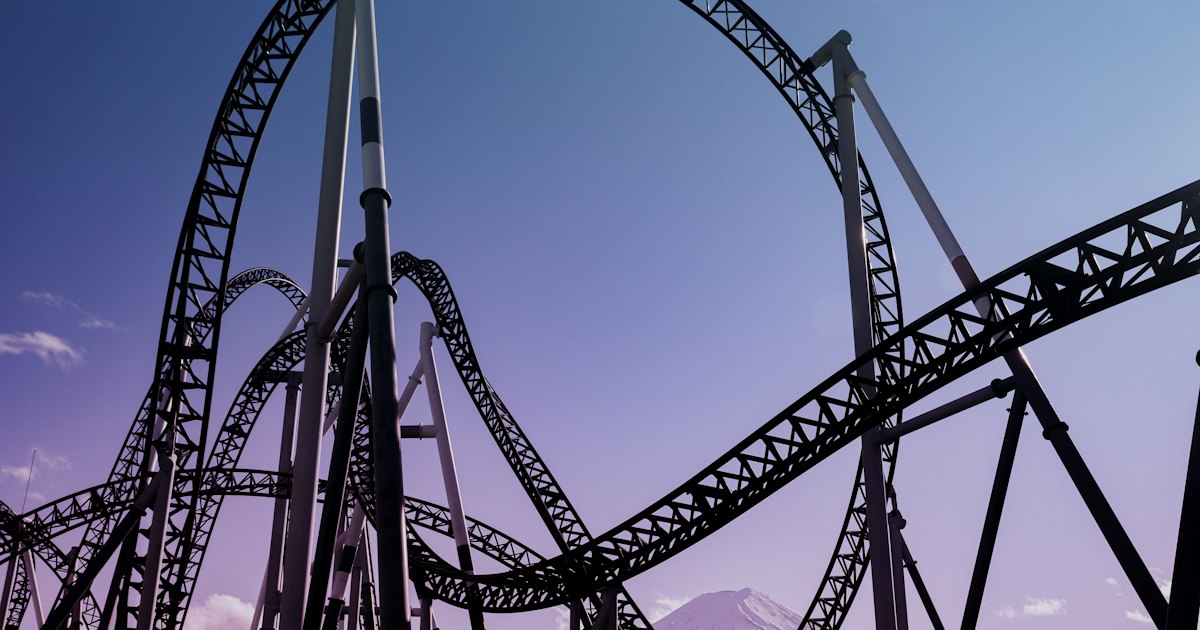
Photo by blueberry Maki on Unsplash
Japan’s three biggest theme park destinations — Universal Studios Japan, Tokyo Disney Resort, and Fuji-Q Highland — each solved the “how do we sell our way out of the line” problem differently. One sells you a bundle before you arrive, one sells you individual rides from your phone once you’re inside, and one sells timed tickets per attraction at the gate. Picking the wrong system for your trip means either overpaying for passes you don’t need or standing in a 150-minute line you could have skipped for the price of a meal. Here’s how each one actually works.
The Three Systems at a Glance
Universal Express Pass (USJ, Osaka) is a pre-set bundle: you buy a tiered pass before you go, and it unlocks one-time priority access to a fixed list of attractions, chosen in advance. Disney Premier Access (Tokyo Disneyland and Tokyo DisneySea) is pay-per-ride: you buy time-slotted access to one attraction at a time through the Tokyo Disney Resort app, and you can keep buying more throughout the day as slots free up. Fuji-Q Highland’s Fast Track is also pay-per-ride or per-bundle, bought at kiosks or online, and it’s separate from park admission. None of these systems are included in a regular park ticket — they’re all paid add-ons on top.
Universal Express Pass (Universal Studios Japan)
USJ sells several tiers — commonly labeled Express Pass 4, 7, and Premium — with prices that move with demand, typically from around ¥7,800 on quiet weekdays up past ¥20,000 in peak season (New Year, Golden Week in early May, Obon in mid-August, and weekends). Each tier bundles a fixed set of rides, usually mixing one “headliner” (Harry Potter and the Forbidden Journey, Flying Dinosaur, or Nintendo World’s Mario Kart: Bowser’s Challenge) with several second-tier attractions. You choose a specific entry time window for each ride when you buy, so it’s not a free-for-all — you’re locking in a rough schedule for your day. Passes sell out, especially ones that include Mario Kart or Donkey Kong Country, so buy online 1-2 weeks ahead for weekend or holiday visits. USJ’s hours typically run 8:30/9:00 to 20:00/21:00 depending on season — check the exact day on USJ’s official site, since hours shift weekly.
Disney Premier Access (Tokyo Disneyland & DisneySea)
Tokyo Disney Resort doesn’t sell an all-in-one skip-the-line bundle. Instead, Premier Access is purchased one attraction at a time via the Tokyo Disney Resort smartphone app, priced per ride — typically ¥1,500 to ¥2,500 depending on the attraction (headliners like Soaring: Fantastic Flight at DisneySea or Space Mountain at Disneyland sit at the top of that range). You can only buy it once you’re physically inside the park and the sales window for that day has opened, and you can hold a limited number of active passes at a time, so it rewards checking the app repeatedly rather than buying everything at 9am. Popular rides’ Premier Access often sells out within the first hour or two on weekends, so decide your must-ride attraction before you’re through the gate and buy it immediately. Park hours generally run 9:00 to 21:00, shorter in winter — both parks post exact hours months in advance on the official site.
Fuji-Q Highland Fast Track
Fuji-Q Highland, near Mt. Fuji in Yamanashi, runs a smaller, rougher-edged version of the same idea. Fast Track tickets are sold per coaster or in small bundles covering its signature rides — Fujiyama, Dodonpa, and Eejanaika — generally in the ¥1,500–¥6,000 range depending on how many rides you bundle. These are bought separately from park entry (a “Highland Entry Pass” is required just to get into the ride area), either online in advance or at kiosks on-site. The catch here is weather: Fuji-Q’s big coasters close frequently for wind, and there’s no refund for a Fast Track ticket on a ride that shuts down after you’ve bought it — so check the live operating status board before committing. Clear, cold days in autumn and winter give the best Mt. Fuji views from the rides, but also the highest chance of wind closures; hours typically run 9:00–18:00 in summer and 10:00–17:00 in winter.
Getting to Each Park
USJ: take the JR Yumesaki Line from Nishikujo or Osaka Station directly to Universal-City Station, about 15 minutes from central Osaka. Tokyo Disney Resort: JR Keiyo or Musashino Line to Maihama Station, roughly 15 minutes from Tokyo Station, then the Disney Resort Line monorail connects the two parks and hotels. Fuji-Q Highland: JR Chuo Line from Shinjuku to Otsuki (about 60–70 minutes), then the Fujikyuko Line to Fujikyu-Highland Station (about 50 minutes) — or a direct highway bus from Shinjuku (around 2 hours, no transfer). For working out these connections and real-time platform changes, Japanese commuters lean on apps that handle local transfers better than Google Maps; see Japanese Transit Apps: Why Locals Use Yahoo! Norikae Annai and NAVITIME Over Google Maps for why that’s worth installing before a theme park day with a tight Express Pass schedule.
Common Mistakes
- Assuming Express Pass includes the newest attraction. USJ’s Mario Kart and Donkey Kong rides sell out of Express Pass slots fastest — if that’s your priority, buy weeks ahead, not the day before.
- Buying Disney Premier Access before entering the park. It’s not available until you’re physically inside and the day’s sales window opens — standing at the gate refreshing the app wastes your first useful minutes.
- Not checking Fuji-Q’s ride status before buying Fast Track. Wind closures are common and tickets aren’t refunded once purchased for a ride that later shuts down.
- Forgetting these are add-ons, not tickets. All three systems require a separate park admission ticket bought first.
- Overbuying tiers you won’t use. A 7-attraction Express Pass is wasted if you only care about two rides — a smaller 4-pass plus a plan for the rest is usually cheaper.
If anyone in your group needs accessible transport to or from these parks, it’s worth booking ahead rather than hailing on the spot — see Taking a Wheelchair-Accessible Taxi in Japan: Booking Apps and What to Expect for which apps actually have accessible vehicles in the Osaka, Chiba, and Yamanashi areas.
Budget, Mid-Range, and Splurge Strategies
Budget: skip paid skip-the-line entirely, go on a weekday outside Japanese school holidays, and use single-rider lines where offered (USJ has them for Flying Dinosaur and Minion Mayhem). Mid-range: buy the smallest Express Pass tier or just one or two Premier Access slots for the single ride you’d genuinely regret missing. Splurge: USJ Express Pass Premium or a Tokyo Disney hotel with early park entry, which effectively buys you a head start before paid passes even go on sale. Whichever tier you pick, the math is the same across all three parks: skip-the-line tickets save the most time-for-money on the two or three rides with 90+ minute waits, and save almost nothing on anything under 30 minutes — so spend accordingly rather than buying the biggest bundle by default.