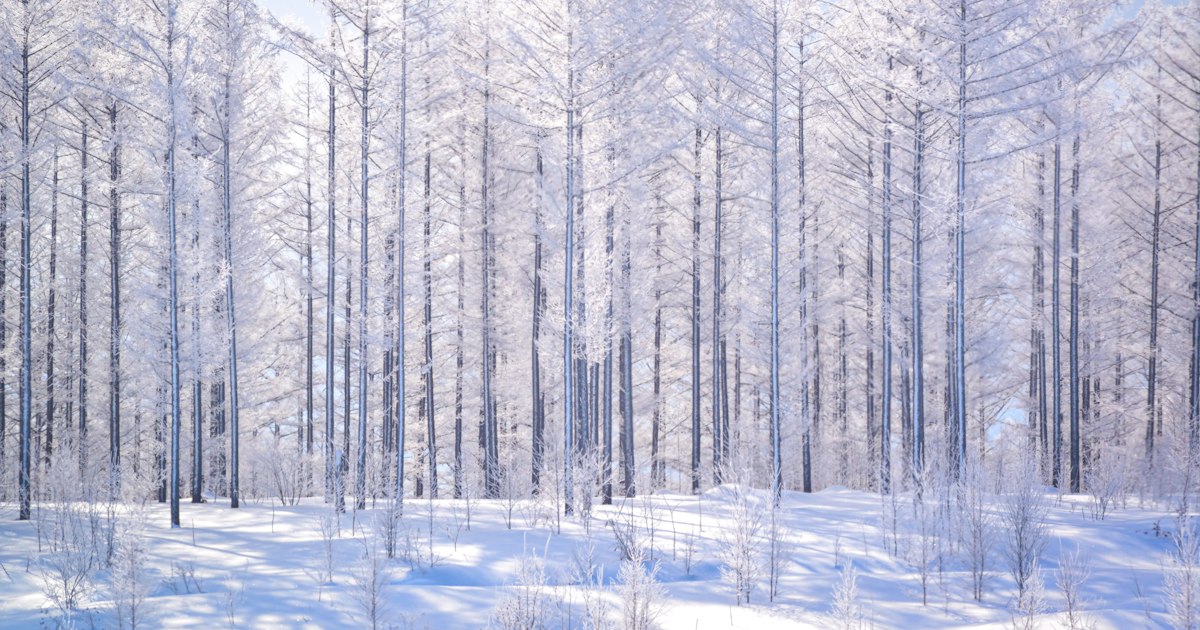
Every winter, millions of visitors ride the gondolas at Hakuba, Nozawa Onsen, and Zao without ever stepping off the groomed piste. A few hundred meters beyond the lift lines, though, is a quieter Japan: silent cedar forests buried under two meters of snow, steaming onsen towns reachable only on foot, and frozen waterfalls that no chairlift passes near. Snowshoeing is the easiest way into that world — no lessons required, no falling down, and gear you can rent for less than a bowl of ramen.
Why Snowshoes Instead of Skis or Boots
Japan’s snow country gets some of the heaviest, driest snowfall on Earth — the Sea of Japan picks up moisture over the water and dumps it as powder across Niigata, Nagano, Yamagata, Akita, and Hokkaido. That snow is wonderful for skiing but nearly impossible to walk through in normal boots; you sink to your thighs within a few steps off-trail. Snowshoes distribute your weight across a wide frame so you float on top instead of plowing through, which is what turns a frustrating slog into an actual walk you can enjoy for hours.
Unlike skiing, there’s no learning curve. Strap the shoes over your winter boots, adjust two or three buckles, and you’re moving within five minutes — which is why snowshoe walks are popular with families, older travelers, and anyone who wants scenery without a ski pass.
Where to Rent: Resort Towns and Specialist Outfitters
You generally don’t need to pre-book snowshoe rental the way you’d book ski gear in peak season — supply is plentiful because demand is lower. Three reliable sources:
- Ski resort rental counters in Hakuba, Nozawa Onsen, Myoko Kogen, Shiga Kogen, and Zao Onsen almost always carry snowshoes alongside ski and board gear, even if it’s not advertised on their main signage — ask at the counter specifically for “wakanjiki” (輪かんじき) or “snowshoe” rental.
- Tourist information centers in onsen towns like Nozawa Onsen and Tsumago often rent snowshoes directly or can point you to a shop within walking distance of the bus stop.
- Dedicated nature-guide outfitters — operators running guided snowshoe tours in places like the Shirakami-Sanchi area, Daisetsuzan National Park, and the Jigokudani/Shiga Kogen backcountry — include rental in the tour price, which is the simplest option if you don’t want to navigate gear logistics alone.
Most counters open between 8:00 and 9:00 AM and close by 17:00, matching the local ski lift schedule, though standalone outfitters in quieter towns may close earlier (around 16:00) outside the holiday season.
What It Costs
Budget (¥1,000–¥2,000/day): Basic rental-only snowshoes from a resort counter or tourist center, no guide, no poles included (poles are usually an extra ¥500). Fine if you already know a safe route and the forest trail is marked.
Mid-range (¥5,000–¥9,000/person): A half-day guided snowshoe walk with a local nature guide, gear included. This is the sweet spot for most visitors — guides know which slopes avoid avalanche risk, point out animal tracks, and often end at an onsen or scenic lookout you’d never find solo.
Splurge (¥12,000–¥20,000+/person): Full-day backcountry snowshoe tours into national parks like Daisetsuzan or Shirakami-Sanchi, sometimes combined with a night at a remote mountain lodge or a private guide for a small group. These usually include lunch and transport from the nearest train station.
Deposits are rare; most places just take your name and a shoe size for boot compatibility.
Best Season and Timing
Snowshoeing season runs roughly mid-December through late March in Honshu’s snow country, and can extend into April in Hokkaido’s higher elevations. The best snow quality — light, deep, and stable enough to walk on without constant breakthrough — is usually late January through February, after the base has built up but before spring thaw starts creating icy crusts.
Go early in the day if you can. Morning snow is firmer and easier to walk on; by afternoon, especially on sunny days, surface snow softens and you sink more, which tires you out faster. Weekday mornings also mean you’ll likely have forest trails to yourself, since most tourist traffic funnels toward the ski slopes.
Getting There
From Tokyo, Hakuba and Nozawa Onsen are reachable via the Hokuriku Shinkansen to Nagano Station, then a connecting bus (roughly 60–80 minutes, ¥1,500–¥2,500 one-way). Zao Onsen is accessible via the Yamagata Shinkansen to Yamagata Station, then a 40-minute bus. For Hokkaido’s Daisetsuzan area, fly or take the Shinkansen to Sapporo, then a train or bus onward to Asahikawa — a good excuse to combine the trip with the penguin walks at Asahiyama Zoo, which is on the same route. If you’re taking a long train ride north, the kanimeshi ekiben from Oshamambe Station is worth grabbing for the journey.
Because you’ll be carrying winter layers, boots, and possibly gear between towns, it’s worth checking whether your route allows hotel-to-hotel luggage forwarding so you’re not hauling a full suitcase onto a snowy trailhead.
Common Mistakes
The biggest one is underestimating cold exposure during stops. You generate plenty of body heat while walking, but the moment you pause for photos or a snack, sweat-dampened base layers get cold fast — bring a packable insulated layer to throw on during breaks, not just for the walk itself.
Second is skipping gaiters or snow-resistant pants. Even with snowshoes keeping you on top of the snow, powder kicks up over your boot tops and melts into your socks within an hour without them.
Third is going without any local knowledge of terrain. Japan’s backcountry near resorts can have real avalanche risk on slopes above the groomed trails — this is the main reason a guided tour is worth the extra cost over solo budget rental, especially outside marked nature trails.
Finally, people often forget that most rental counters don’t carry poles as standard — ask specifically, since poles make a noticeable difference in balance on uneven, sloped snow.
After the Walk
Most snow country towns built around onsen culture have public foot baths where you can thaw out cold feet without a full bath — see our guide to ashiyu foot baths for where to find them. If you’re still deciding where to base yourself, our comparison of Rakuten Travel, Jalan, and Booking.com covers which platform tends to have the best rates for small ryokan in mountain towns, which often aren’t listed on international sites at all.