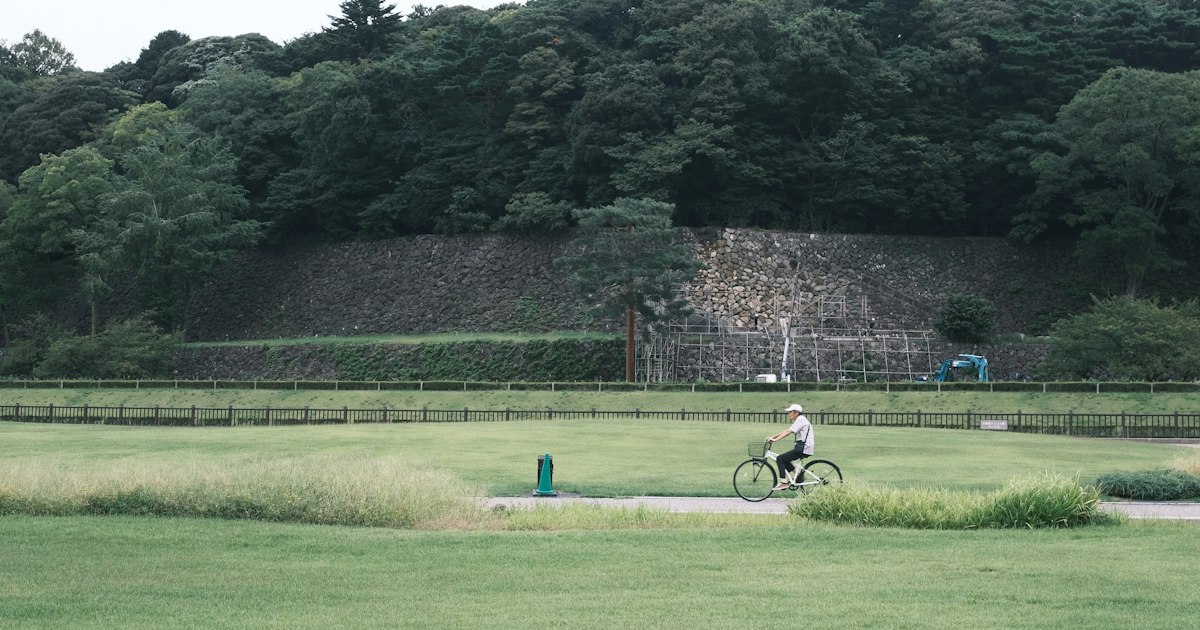
Photo by Seongho Jang on Unsplash
Cycling with small kids is one of the easiest ways to cover ground in a Japanese city without wrestling a stroller onto a crowded train, but it’s not as simple as grabbing the nearest shared bike. Japan has specific rules about who can ride where, and most of the convenient bike-share systems tourists default to don’t allow child seats at all. Here’s how to actually rent the right setup, what it costs, and what trips it up.
Know the Legal Basics Before You Book
Japanese road traffic law allows one adult to carry up to two children under age 6 on a bicycle, but only on a bike specifically certified for it — look for the “幼児2人同乗基準適合車” label or a BAA safety mark, which indicates a reinforced frame, wider kickstand, and low center of gravity designed to carry the extra weight without tipping. Bolting a standalone child seat onto a regular rental bike is not something rental shops will do, and riding double on an uncertified bike is against the law, not just a safety suggestion.
Guardians are also expected to have children under 13 wear a helmet while on a bicycle, including as a passenger in a child seat. Enforcement is lax and you won’t be fined on the spot, but reputable rental shops increasingly include a child helmet in the price or rent one for a small add-on fee — ask when you book rather than assuming one will be handed over.
Where You Can — and Can’t — Rent a Child Seat
This is the part that surprises visitors most: the big-city bike-share networks (Docomo Bike Share in Tokyo, HELLO CYCLING nationwide) do not offer child-seat bikes. Their fleets are standardized electric-assist city bikes with no certified child attachment, and station-based pickup/return makes it impractical anyway. If you only know Japan’s transit system through transit apps like NAVITIME, it’s worth switching mental models here — bike rental in Japan runs through independent local shops and park rental counters, not a single app-based network.
Your realistic options are:
- Large urban parks with their own rental counters — Showa Kinen Park in Tachikawa (Tokyo) and Kasai Rinkai Park are the most reliable examples, with family bikes that include front or rear child seats alongside standard adult and kids’ bikes, rented by the hour or for the day inside the park grounds only.
- Neighborhood “mamachari” rental shops near residential areas and smaller tourist towns, which cater to local families and sometimes keep one or two child-seat-equipped bikes for rent, often electric-assist given the extra weight of a child plus seat.
- Resort and sightseeing cycling towns such as Kyoto, Nara, and lakeside spots like Kawaguchiko — some shops stock a family bike or two, but availability is limited and it’s rarely advertised in English, so phoning ahead (or having your accommodation call) matters more than browsing a website.
Trailers vs. Child Seats: What’s Actually Available
Pull-behind child trailers are genuinely rare in Japan compared to North America or Europe. Narrow residential streets, limited curb cuts, and the dominance of the certified two-child bicycle as the standard family solution mean most rental shops simply don’t stock trailers. If you have your heart set on one, look at dedicated long-distance cycling routes — the Shimanami Kaido in the Seto Inland Sea is the most likely place to find trailer rentals aimed at families doing the full island-hopping route, since the course is flat, car traffic is separated, and rental operators cater more to varied group compositions than city shops do. For everyday urban or park cycling, a certified front/rear child seat bike is both more available and more practical than hunting for a trailer.
What It Costs: Budget, Mid-Range, Splurge
- Budget — A non-electric mamachari-style bike with a single front or rear child seat typically runs ¥500–¥1,000 for a half-day or ¥1,000–¥2,000 for a full day at neighborhood shops. Park rental counters are often cheaper still if billed by the hour.
- Mid-range — Electric-assist bikes certified for two children (one front, one rear) usually cost ¥1,500–¥3,000 per day. The assist motor isn’t a luxury here — a loaded two-child bike is genuinely heavy to pedal, especially starting from a stop.
- Splurge — Multi-day or week-long rentals from shops that deliver the bike to your hotel or ryokan, sometimes bundled with a child seat and helmet set, can run ¥5,000–¥10,000+ for the period. This is worth it if you’re based in one town for several days and want the bike waiting at your door each morning rather than walking to a rental counter.
Best Season and Timing
Spring (April–May) and autumn (October–November) are by far the most comfortable for cycling with kids — mild temperatures, lower humidity, and in many parks, cherry blossoms or fall foliage along the cycling paths themselves. Summer cycling with a child seat is genuinely rough: Japan’s July–August heat and humidity hit a stationary child in a seat harder than the pedaling adult, since they get less airflow. If you do rent in summer, aim for the first two hours after opening, roughly 9:00–11:00, before midday heat peaks, and bring a hat and water bottle holder for the child seat. Winter rentals are fine for short park loops but many rural and lakeside rental shops reduce hours or close for the season entirely between December and February, so confirm before planning a trip around it.
Common Mistakes to Avoid
- Assuming bike share covers it. Travelers who’ve used Docomo Bike Share for themselves often assume they can add a child — you can’t, and the app won’t show child-seat bikes because the fleet doesn’t have any.
- Not booking ahead. Shops typically have one or two child-seat bikes, not a whole fleet. On weekends and holidays these go first. A phone call a day or two ahead (or having a hotel concierge call) beats showing up and finding none left.
- Ignoring the age/weight limit on the seat itself. Most seats are rated for roughly ages 1–4 in front and up to about age 6 in the rear, with weight caps around 15–22kg depending on the model. A seat that’s too small for your child isn’t just uncomfortable — it’s the exact unsafe mismatch the certification rules exist to prevent.
- Underestimating hills. A standard (non-assist) bike with a loaded child seat struggles on anything beyond gentle slopes. If your route includes hills, pay the extra few hundred yen for electric assist rather than finding out halfway up.
If the Weather Doesn’t Cooperate
Japan’s rental bikes are almost never set up with rain canopies for child seats, and riding with a toddler in the rain isn’t worth the risk even if a poncho clip-on is offered. Keep a backup plan in your pocket — an indoor water park like Tokyo Summerland or a trick art museum makes a far better rainy-day swap than pushing through on two wheels. And once you do find a place to eat after your ride, it’s worth knowing in advance what Japanese restaurants actually stock for kids — our guide to booster seats and high chairs at Japanese restaurants covers what’s provided versus what you should bring yourself, which saves a scramble after a long day of cycling.