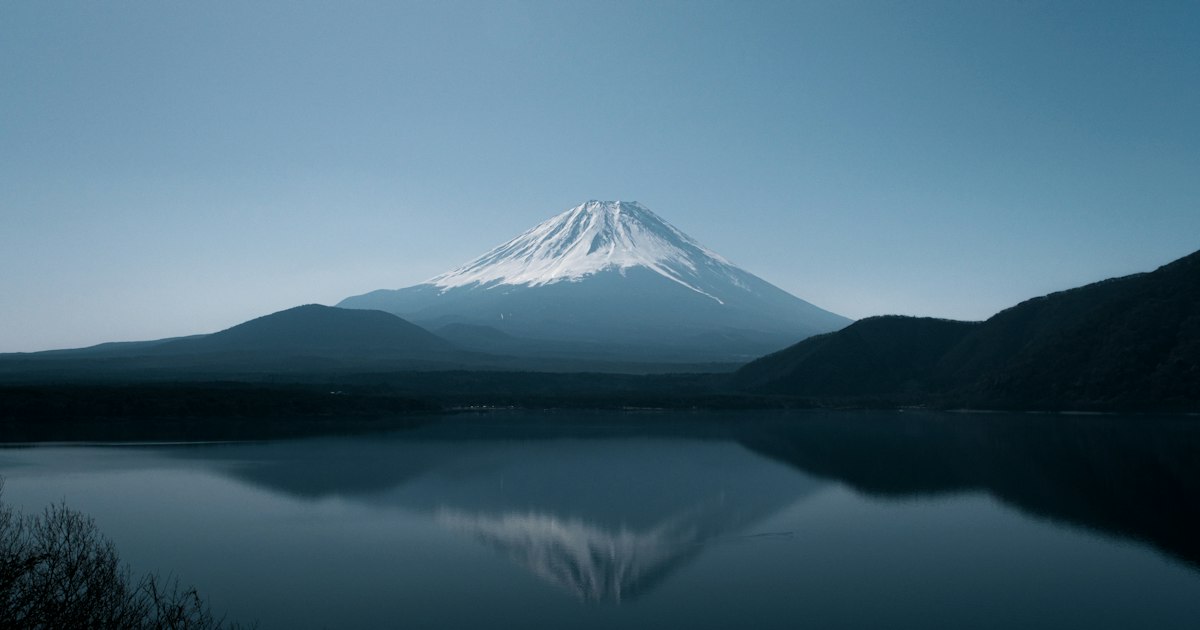
Photo by Sora Sagano on Unsplash
In most countries, standing on a public bridge for two hours with a 400mm lens just to photograph a commuter train would get you some strange looks. In Japan, you’d just be one of dozens. Toritetsu (撮り鉄) — “photo-train people” — are the camera-wielding wing of Japan’s enormous railway fan culture, and they’ve turned train-watching into something close to a national pastime, complete with its own etiquette, pilgrimage sites, and shopping districts. If you’re even mildly curious about trains, a few hours spent in toritetsu territory is one of the more unusual and genuinely free things you can do in Japan.
What Toritetsu Actually Means
“Tetsu” (鉄, from tetsudou, railway) is the umbrella term for Japan’s railway enthusiasts, who split into recognizable tribes: noritetsu (乗り鉄) ride every line they can for its own sake, ekitetsu (駅鉄) collect station stamps and architecture, oto-tetsu (音鉄) record departure melodies and engine sounds, and toritetsu photograph the trains themselves — departures, rare liveries, retiring rolling stock, and anything running against a scenic backdrop like Mt. Fuji or cherry blossoms. Toritetsu is the largest and most visible group because their gear (tripods, long lenses, step stools) and gathering spots are easy to spot even if you’re not one of them. Treat this the same way you’d treat any other niche Japanese hobby scene, like the beigoma spinning-top crowd or the collectors who stake out specific vending machines for discontinued whisky minis — it rewards showing up, watching quietly, and asking before you jump in.
Tokyo’s Free Spotting Bridge: Dokan-yama
The single most famous toritetsu gathering spot in the country is a plain pedestrian footbridge between Nippori and Uguisudani stations on the Yamanote Line, officially called Shimo-Goinden-bashi but universally known by its nickname, Dokan-yama. From the bridge you can see the Yamanote Line, the Keihin-Tohoku Line, the Joban Line, and in the distance the Tohoku and Hokuriku Shinkansen gliding past a maintenance yard — four to five train operations in one frame. It costs nothing, has no gate and no closing time, and is a five-minute walk from Nippori Station’s north exit (take the JR Yamanote or Keihin-Tohoku Line). Late afternoon on a clear day gives the best light, when the sun rakes across the tracks from the west; weekday mornings are quieter if you want elbow room. Expect company — on weekends it’s shoulder-to-shoulder with tripods, so arrive early if you want a railing spot.
A second, less crowded option is the Ochanomizu-bashi bridge over the Kanda River near Ochanomizu Station, where Chuo Line trains cross a river lined with cherry trees — one of the better sakura-and-train combinations in central Tokyo in late March and early April.
Chasing the Shinkansen Against Mt. Fuji
The classic “Fuji and Shinkansen” photograph is shot from the Tokaido Line tracks around Fuji and Shin-Fuji stations in Shizuoka, where the bullet train runs on elevated viaducts with the mountain filling the background on a clear day. Winter mornings — December through February, before midday cloud builds up around the peak — give by far the highest odds of a clean view; summer is usually a washout. There’s no single marked viewpoint; serious shooters walk the public roads and river levees near Fuji City scouting unobstructed sightlines, so bring a map app and be patient. If you make the trip, it’s worth pairing it with lunch in Shizuoka — the region is also home to the city’s famous toro-grade hamburg steak, a rare-seared wagyu patty dish worth the detour on its own.
Steam Locomotives on the Oigawa Railway
For a more hands-on day trip, the Oigawa Railway in Shizuoka runs genuine steam locomotives (SL) on a roughly 40 km line between Kanaya and Senzu stations, through river valleys that turn vivid with maple foliage in November and cherry blossoms in early April. Fares run around ¥3,920 one-way for the full Kanaya–Senzu run, plus a separate SL reservation surcharge of a few hundred yen that you should book in advance online or at the station — the steam trains sell out on weekends and during foliage season. Kanaya Station is reachable from Tokyo via the Tokaido Shinkansen to Shin-Kanaya-adjacent Kakegawa or Shizuoka, then a local JR transfer; budget a full day for the round trip. Check the operating calendar before you go, since the SL doesn’t run every single day of the week.
Railway Museums for a Rainy Day
If the weather doesn’t cooperate, Japan’s railway museums are essentially indoor toritetsu gathering halls, packed with retired locomotives, scale layouts, and simulator cabs that fans queue for on weekends.
- The Railway Museum, Omiya (Saitama) — JR East’s flagship museum, one stop from Omiya Station on the New Shuttle line (around ¥190). Adult admission is roughly ¥1,330, discounted for students and children. Open 10:00–17:00, closed Tuesdays. Highlights include a preserved Shinkansen 0-series car and a huge operating HO-scale diorama with scheduled “show” runs several times a day.
- Kyoto Railway Museum — about a 20-minute walk west of Kyoto Station, or a short bus ride. Adult admission is around ¥1,500. Open 10:00–17:30, closed Wednesdays. It includes a steam locomotive you can actually ride for a small extra fee.
- SCMaglev and Railway Park, Nagoya — near Kinjo-futo Station on the Aonami Line (about 24 minutes from Nagoya Station). Adult admission is roughly ¥1,000, closed Tuesdays. Home to a maglev test vehicle and an early high-speed Shinkansen prototype.
Model Shops for Collectors
If you’d rather bring a train home than photograph one, Tokyo has dedicated retail for every budget. Tenshodo in Ginza (4-chome, a short walk from Ginza Station) has sold handmade brass HO-scale locomotives since the 1920s and remains the top splurge destination — individual brass models can run from ¥50,000 well into six figures. For mid-range N-scale sets by Kato and Tomix, Yodobashi Akiba’s hobby floor near Akihabara Station’s Electric Town exit is a reliable one-stop shop, and Kato’s own Hobby Center Tokyo, near Shin-Okubo Station, is worth the trip simply because you can browse miniature trains while real ones rumble past the window. Budget souvenirs — keychains shaped like train noses, station-melody phone cases, Suica character goods — are sold at kiosks inside almost any major JR station, usually for ¥500–¥1,500.
Common Mistakes to Avoid
Trespassing is the single biggest problem associated with toritetsu culture in Japan, and it’s taken seriously: enthusiasts stepping past fences or onto tracks for a better angle have caused real train delays and occasional arrests, and it’s the fastest way to get a hobby banned from a location entirely. Stick to public bridges, platforms, and roads. On station platforms, don’t set up a tripod during rush hour — staff will ask you to fold it up, and you’ll be in everyone’s way regardless. Flash photography aimed at a driver’s cab is prohibited on every line. And if you’re chasing a seasonal service like the Oigawa SL, book your reserved seat days ahead rather than assuming you can walk up, especially around the autumn foliage weekends when it sells out fast.