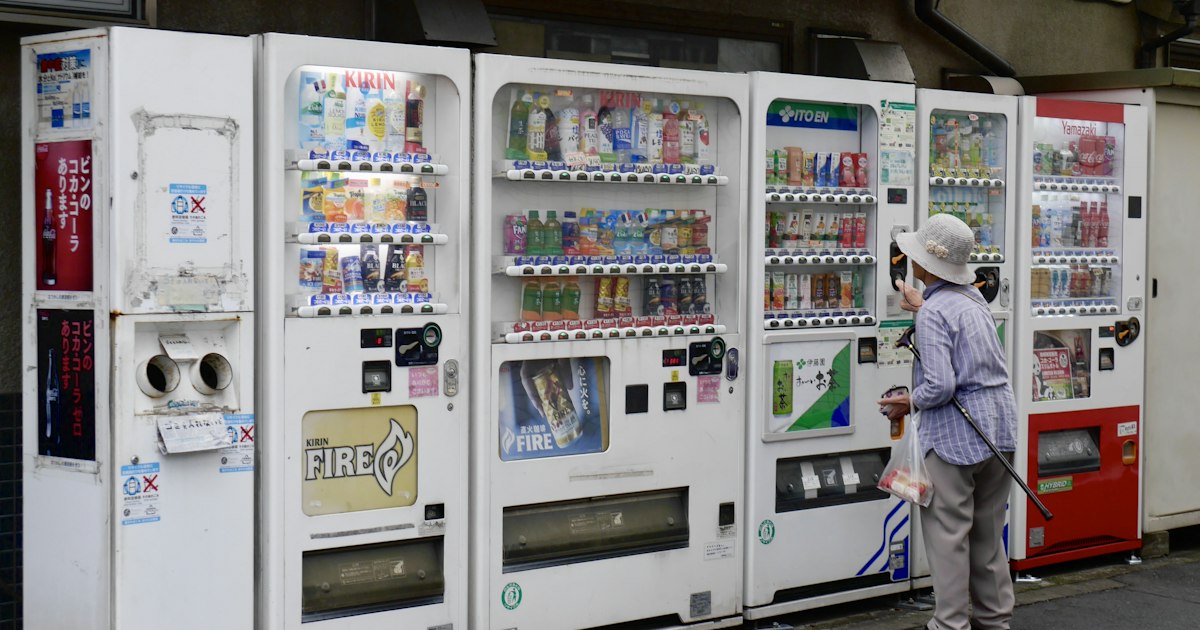
Photo by catrina farrell on Unsplash
Somewhere between a drinking hobby and an urban treasure hunt, tracking down Japan’s remaining whisky vending machines has become a quiet obsession for collectors and curious travelers alike. These coin-fed relics once lined shopping streets and train platforms by the thousands; today, finding one stocked with real Suntory or Nikka mini bottles takes patience, a bit of local knowledge, and a willingness to wander off the main tourist track. Here’s how to actually do it, what you’ll pay, and where the hunt tends to pay off.
The Short, Strange History of Japan’s Alcohol Vending Machines
Until the mid-1990s, beer, sake, and whisky vending machines were a normal fixture outside liquor shops across Japan — no ID check, no clerk, just coins and a bottle. Rising concern about minors buying alcohol pushed the national liquor retailers’ association to self-regulate, and most street-facing alcohol machines were phased out between the late 1990s and early 2000s. The ones that remain legally in operation today are almost all fitted with adult-verification systems (often tied to a resident ID card or a shop attendant nearby who can override the lock), or they sit inside spaces where access is already restricted, like ryokan corridors, hotel floors, and member-style izakaya. That history is exactly why hunting these machines feels like chasing a disappearing species rather than browsing a normal souvenir shop.
What’s Actually Inside: Suntory, Nikka, and Mini Bottle Sizes
The two brands you’ll see repeatedly are Suntory (Kakubin, Torys, and occasionally Hibiki-adjacent blends) and Nikka (Black Nikka Clear or Special, and sometimes From the Barrel in larger formats). Minis typically come in two sizes: 50ml “pocket” bottles and 180ml bottles, the standard single-serving size used in Japanese hotels and trains. Expect to pay roughly ¥300–600 for a 50ml Suntory Kakubin or Nikka Black from a machine, and ¥700–1,200 for a 180ml bottle. Older or rarer vending stock — faded labels, discontinued blends, or machines that haven’t been restocked in years — can occasionally go for more if a shopkeeper recognizes what they’ve got, but don’t expect “rare whisky” markups; these machines are priced for convenience drinking, not collectors.
Where the Last Machines Still Survive
Three kinds of places are your best bet. First, old-fashioned liquor shops (sakaya) in smaller cities and rural towns that have run the same machine outside their storefront for decades, often still legal because a staff member inside can unlock it during business hours. Second, onsen towns where ryokan and lodges keep self-service alcohol corners for guests — remote hot spring areas like Nyuto Onsen in Akita are the kind of secluded, lodging-centric destination where these machines tend to outlast the ones in big cities, since the customer base is adult guests rather than passing foot traffic. Third, roadside rest stops (michi no eki) in rural Tohoku, Hokkaido, and parts of Kyushu, where a vending corner sells local sake and whisky alongside snacks for drivers who’ve already parked for the night. None of this is centrally mapped — there’s no official “whisky vending machine” registry — so the real method is asking local shopkeepers, checking old blog posts and Japanese social media tagged with 酒 自動販売機 (sake jidouhanbaiki), and simply keeping your eyes open in older shopping streets (shotengai) that haven’t been redeveloped.
Best Season and Time of Day to Hunt
Winter and early spring are surprisingly good hunting seasons: rural liquor shops and onsen towns see less tourist foot traffic, so machines are more likely to be freshly stocked for returning regulars rather than picked clean. Daytime hours matter more than season, though — most of the remaining legal machines require a staff member on-site to activate or unlock them, so visiting during normal shop hours (roughly 9am–6pm in small towns, often closed on Sundays or irregular days) is essential. Showing up at night, when the romantic “glowing vending machine” photo opportunities are best, usually means the unit is locked and you’ll walk away with a photo but no bottle.
Common Mistakes First-Time Hunters Make
- Assuming any glowing machine will sell to you. Many surviving machines are decorative leftovers, disconnected, or locked to foreign card payments. Look for a visible coin slot and functioning display before getting excited.
- Not carrying coins. Most of these older machines were never upgraded for IC cards; bring ¥100 and ¥500 coins.
- Forgetting you must be 20 or older. Japan’s legal drinking age is 20, and shop staff can and will ask for ID if a machine requires attendant activation.
- Overpaying out of excitement. A dusty-looking Nikka Black mini is still just a ¥400–500 bottle of standard blended whisky — charming for the hunt, not an investment.
- Treating it as a reliable itinerary item. Build hunting time into a trip you’re already taking for another reason (an onsen stay, a countryside drive) rather than planning a dedicated day around it, since hit rates are genuinely unpredictable.
Budget, Mid-Range, and Splurge Finds
At the budget end, a 50ml Suntory Torys or Nikka Clear mini from a rural vending machine runs about ¥300–400 — a fun, cheap souvenir more than a drinking experience. Mid-range hunters should look for 180ml Kakubin or Black Nikka Special bottles (¥700–1,200) that actually make a decent pour back home. For a splurge, skip the vending machine entirely and visit a distillery gift shop directly — Suntory’s Yamazaki or Hakushu distilleries and Nikka’s Yoichi or Miyagikyo distilleries sell distillery-exclusive minis and small-format bottles over the counter that never make it into any machine, often in the ¥1,500–4,000 range depending on the blend. If you’d rather not gamble on vending luck at all, import-focused supermarkets like Seijo Ishii stock a rotating selection of Suntory and Nikka minis on ordinary shelves, which is the easiest fallback if your hunt comes up empty.
Getting Your Bottles Home Safely
Glass mini bottles survive carry-on scrutiny poorly if you’ve bought more than the standard duty-free liquids allowance, so plan to pack them in checked luggage, wrapped in clothing or bubble wrap from a ¥100 shop. If your hunt turns into a real collection — a dozen or more bottles — treat it the same way you would any bulky, breakable souvenir haul: the packing and shipping logic in our guide to shipping oversized purchases home without airline fees applies just as well to a box of glass bottles as it does to golf clubs. Also double-check your home country’s alcohol import allowance before you go overboard — most countries cap duty-free alcohol at one or two liters total, and a stack of 180ml bottles adds up faster than it looks.