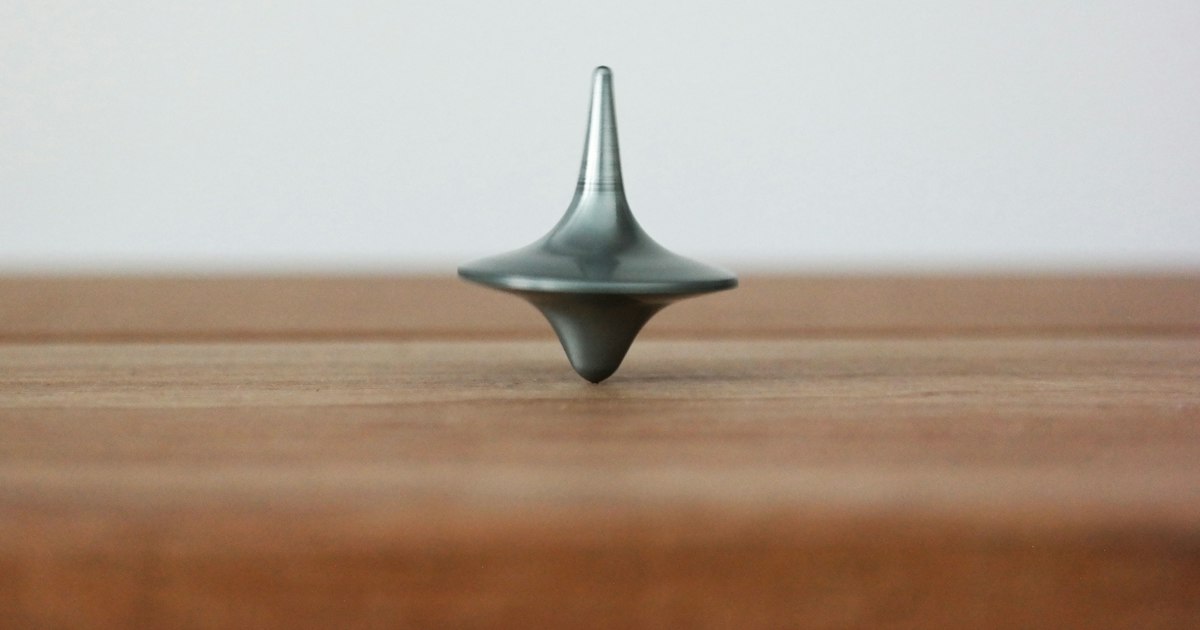
Photo by Christophe Hautier on Unsplash
Long before anyone in Japan had a smartphone, kids settled playground disputes with a flick of the wrist and a few feet of cotton string. Beigoma — small, heavy spinning tops cast in metal and launched by hand into a makeshift arena — were the beigoma generation’s version of marbles or conkers. They never really disappeared, and in neighborhoods like Asakusa and Yanaka you can still find shops selling the exact same style of top that Showa-era schoolkids traded and battled with. If you want a genuinely old-school souvenir that isn’t mass-produced for tourists, beigoma is worth the detour.
What Is Beigoma, Exactly?
The name comes from baigai, a type of sea snail shell that was used to make the earliest tops centuries ago, combined with koma, the Japanese word for spinning top. By the 20th century the shells had been replaced by cast zinc alloy, and beigoma became a staple street toy of the 1950s–60s — small, squat, drum-shaped tops with raised designs on top: kanji for “victory” or “strength,” sumo wrestlers, zodiac animals, and later cartoon characters. Each top is etched with grooves around its edge so a length of string can be wound tightly around it before launch.
Unlike a Western spinning top you set down with your fingers, a beigoma is thrown. Players wind cotton string around the grooved sides, hold the free end, and snap the top down hard and fast into a playing surface so it lands already spinning at speed.
How the Game Is Actually Played
Beigoma is played in an “arena” — traditionally a tightly stretched cloth or tarp draped over an upturned bucket, crate, or drum, which gives the surface some give and a satisfying resonance when tops land. Modern starter sets usually substitute a small plastic bowl-shaped ring for this. Two or more players throw their tops into the same arena at the same time; the impact and the spin send tops crashing into each other, and the goal is to knock your opponent’s top out of the ring or simply outlast it — the last top still spinning wins the round.
It takes real practice to wind the string evenly and throw with enough snap that the top lands spinning rather than just clattering flat, so don’t be discouraged if your first few throws go nowhere. Kids in the Showa era spent years perfecting this.
Where to Buy a Beigoma Set in Tokyo
You won’t find beigoma in convenience stores or most souvenir shops — it’s a specialty item tied to a handful of retro toy and candy shops (dagashiya), mostly concentrated in Tokyo’s old shitamachi districts.
- Asakusa — the backstreets off Nakamise-dori and around Hoppy-dori have small, cluttered toy and candy shops that still stock beigoma alongside menko (card-flipping game cards) and other Showa-nostalgia toys. These are family-run shops with old-fashioned hours, typically open from around 10am or 11am to 6–7pm, and some close without warning on slow weekdays, so don’t plan your entire visit around one specific store.
- Yanaka Ginza — this old shopping street, known for its cat-themed shops and retro atmosphere, has a couple of toy stores that carry beigoma and other mid-century playground games. It’s a pleasant walk from Nishi-Nippori Station and pairs well with a wander through the nearby Yanaka cemetery and backstreets.
- Yamashiroya, Ueno — a large multi-floor toy store a short walk from Ueno Station. It’s primarily known for anime figures and model kits, but its lower floors often carry a small selection of classic Japanese toys, beigoma included, which makes it a reliable backup if the smaller Asakusa shops are closed.
If you can’t make it to any of these in person, Amazon.co.jp, Rakuten, and the secondhand marketplace Mercari all list beigoma sets, including vintage tops sold by collectors — useful if you’re after a specific design rather than a general starter set.
Budget, Mid-Range, and Splurge Options
Pricing is modest compared to most “traditional craft” souvenirs:
- Budget (¥150–¥500 per top): A single loose beigoma without string or arena. Fine if you just want a small, heavy, pocket-sized object to display or give as a cheap gift.
- Mid-range (¥1,000–¥2,500): A beginner set with two or three tops, a length of string, and a mini plastic arena — everything you need to actually play out of the box. This is the version worth buying if you want to try the game, not just own a top.
- Splurge (¥3,000–¥6,000+): Larger or limited-edition tops with more elaborate cast designs, or a full tin/cloth arena set aimed at serious hobbyists and collectors rather than casual buyers.
If novelty Japanese collectibles are your thing, it’s worth comparing beigoma against another small, inexpensive classic — our guide to novelty shamoji rice paddles covers a similarly cheap, easy-to-pack category of souvenir.
Best Time to Shop (and Play)
There’s no strict season for buying beigoma — these are indoor shop items, not weather-dependent crafts — but two windows are worth knowing about. Spinning tops are a traditional New Year’s toy in Japan alongside kites and hanetsuki paddles, so shops tend to stock extra inventory in the weeks around Oshogatsu (early January). Summer also brings occasional retro-toy stalls at neighborhood festivals, where you might stumble onto beigoma vendors you won’t find the rest of the year. Outside of those windows, the Asakusa and Yanaka shops carry beigoma year-round, so there’s no need to time a trip specifically around it.
Common Mistakes First-Time Buyers Make
A few things trip up visitors buying their first set:
- Buying a display-only top. Some souvenir-style tops sold as keychains or shelf decorations are too light or made of plastic to actually spin competitively. If you want to play, buy a set explicitly labeled for play, not a novelty trinket.
- Assuming any top works without the right string technique. A beigoma that isn’t wound correctly won’t launch spinning — it’ll just thud onto the arena. Ask the shop staff for a quick demonstration if you’re buying your first set; many of the older Asakusa shopkeepers are happy to show you.
- Packing tops in carry-on luggage. Cast metal tops with grooved edges are heavy and have sharp ridges. It’s simpler to pack them in checked luggage, wrapped in a sock or cloth so they don’t scratch anything else in your bag.
A Retro Afternoon Around Beigoma Shopping
Because beigoma shopping is concentrated in old-fashioned neighborhoods, it pairs naturally with other pieces of Showa nostalgia. After browsing the toy shops in Asakusa, it’s worth reading up on furutsu gyunyu, the retro bathhouse fruit milk that era’s kids drank after a sento soak, or Oronamin C and Lipovitan D, the energy drinks whose orange bottles and yellow labels are as much a fixture of Showa-era shop fronts as the beigoma tops themselves. None of it requires advance booking — just a free afternoon and a willingness to poke around in small, crowded shops that look like they haven’t changed in sixty years, because in most cases, they haven’t.