Photo by Bret Lama on Unsplash
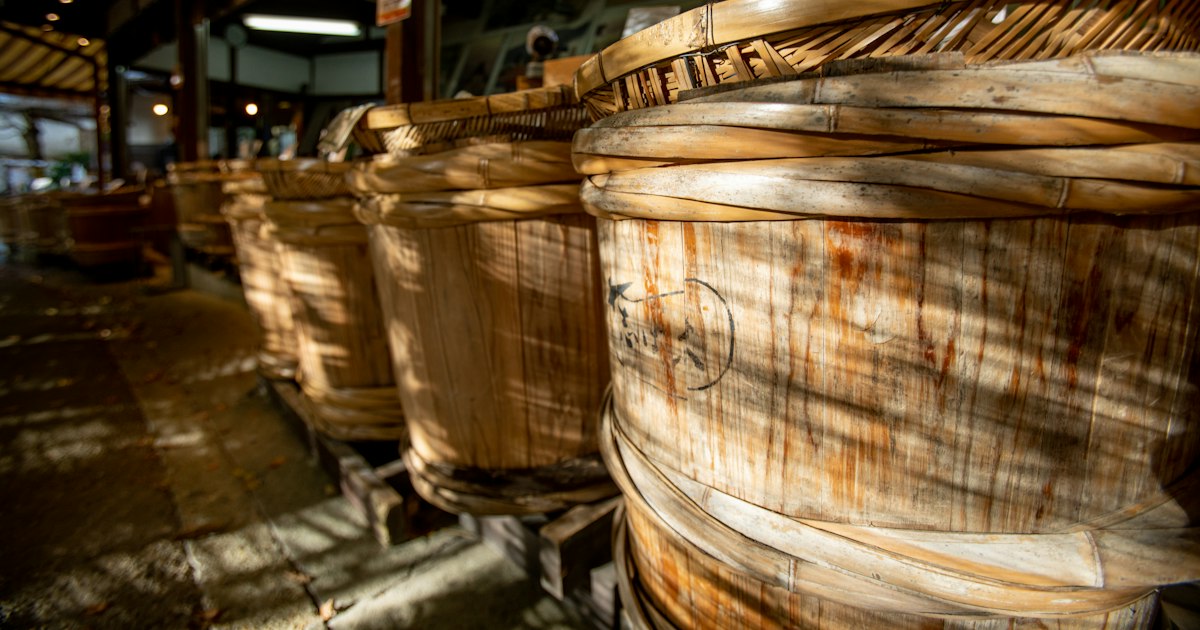
If you’ve eaten rice at a traditional ryokan or an old-school soba shop in Japan and wondered why it tasted noticeably better than what comes out of your rice cooker at home, the answer might not be the rice itself — it might be the tub it was rested in. The ohitsu (おひつ), a round wooden vessel made from cedar, cypress, or sometimes thuja wood, has been used in Japanese kitchens for centuries to hold cooked rice after it comes off the fire or out of the cooker. It’s a simple object with a very specific job, and once you understand what that job is, it’s hard to go back to serving rice straight from a plastic insert.
What an Ohitsu Actually Does
Freshly cooked rice holds a lot of excess surface moisture. Left in a rice cooker’s inner pot or a metal bowl, that moisture has nowhere to go, so it condenses back into the rice, making it gummy and causing it to go stale-tasting within an hour or two. Wood is different: cedar and cypress are naturally porous and slightly absorbent, so when you transfer hot rice into an ohitsu, the wood wicks away just enough of that surface moisture to leave each grain with a drier, firmer exterior while the inside stays tender. The wood also breathes, letting a small amount of steam escape rather than trapping it, which is why rice kept in an ohitsu stays pleasant at room temperature for several hours — useful for bento, home dinners, or a ryokan breakfast service — instead of turning sweaty and clumped.
There’s a flavor dimension too. Hinoki (Japanese cypress) and sugi (cedar) both carry mild natural aromatics. Over repeated use, a well-seasoned ohitsu imparts a faint woody fragrance to the rice — not overpowering, but noticeable, especially with cypress, which is prized for its clean, slightly citrusy scent. This is the same reason hinoki is used for traditional bathtubs and shrine construction; the wood is valued specifically for how it smells when warm or damp.
Types of Ohitsu and What They Cost
Ohitsu are sold in a range of materials and price points, and the differences matter more than they might first appear:
- Budget (¥3,000–¥6,000): Small sugi (cedar) tubs, often in the 1–2 go capacity (roughly 1–2 rice-cooker cups), made with a hoop-bound construction rather than traditional joinery. These are fine starter pieces for a single person or couple and are commonly stocked at larger kitchenware retailers like Tokyu Hands or Loft.
- Mid-range (¥8,000–¥20,000): Hinoki (cypress) tubs from regional woodworking regions such as Akita (using Akita cedar, or “akita sugi”) or Kiso in Nagano. These use tighter coopering and a copper or stainless band instead of plastic, and they last for years with basic care. This is the sweet spot for most visitors who want something that performs well and holds up to daily use back home.
- Splurge (¥25,000–¥60,000+): Hand-coopered tubs from established workshops, sometimes using Yoshino cedar from Nara or old-growth hinoki, finished without any metal fittings at all — just precision-fitted wood held by bamboo pegs or woven bamboo hoops. These are as much craft objects as kitchen tools and are typically sold at specialty woodware shops rather than department stores.
Sizes are usually labeled in “go” (合), the same unit used for rice-cooker cup measurements: a 3-go ohitsu holds the cooked yield of 3 go of raw rice, enough for 2–3 people per meal. For a family of four, a 5-go tub is the common choice.
Where to Buy One in Japan
Tokyo and Kyoto both have reliable options at different budget levels. In Tokyo, Tokyu Hands (Shibuya and Shinjuku flagship stores, open roughly 10:00–21:00) and Loft carry entry-level sugi ohitsu in their kitchenware floors, usually priced under ¥8,000. For something more serious, Nakagawa Mokkougei, which has a shop in Kyoto’s Higashiyama area, is well known among collectors for cypress and cedar woodware including ohitsu, with pieces generally in the ¥10,000–¥40,000 range. Kyoto’s Nishiki Market also has a handful of woodware stalls selling smaller, more affordable tubs aimed at home cooks rather than professionals.
Woodworking towns are worth a detour if your itinerary allows it. Odate in Akita Prefecture is historically tied to bentwood craft (famous for its magewappa boxes), and local shops there sell cedar ohitsu directly from the workshops that make them, often at better prices than Tokyo retail. If you’re traveling through Hokkaido, note that it’s a long way from Odate — but if your route includes New Chitose Airport, it’s a reminder that regional craft shopping is often easier planned around a specific airport leg than squeezed into a single Tokyo day.
Common Mistakes Buyers Make
The biggest mistake is buying a tub that’s too large. An oversized ohitsu for a small household means rice sits in a half-empty vessel, loses heat faster, and dries out unevenly — buy for your actual typical serving size, not for hypothetical dinner parties. The second mistake is ignoring maintenance before travel: untreated cedar and cypress can crack if they dry out too quickly, which is a real risk if you pack one in checked luggage through a dry, pressurized cargo hold and then don’t use it for weeks after getting home. Soak the tub briefly in water before its first use and again if it’s gone unused for more than a month.
The third mistake is choosing based on looks alone. Cheaper tubs sometimes use thin veneer over a composite base rather than solid wood — these look similar in photos but don’t have the absorbent properties that make an ohitsu worth buying in the first place. Ask whether the piece is “muku” (無垂, solid wood) if you’re unsure; reputable shop staff will know the term immediately.
Caring for an Ohitsu at Home
Never put an ohitsu in a dishwasher, and avoid soap — plain hot water and a soft sponge are enough, since the wood’s slight porosity means it can absorb detergent smell. Dry it standing upside down on a rack rather than lid-down, so air circulates through the body. After the first few uses, a thin white bloom (nukabuta) may appear on the interior; this is a natural effect of rice starch and wood tannins and isn’t a flaw. Store it with the lid slightly ajar rather than sealed shut when not in use, to prevent trapped humidity from causing mold in Japan’s humid summer months — or in humid climates abroad.
Bringing One Home: Packing and Customs Notes
Ohitsu are bulky but light, and most airlines won’t blink at one in checked luggage if it’s wrapped in clothing or bubble wrap to protect the rim. Untreated wood items generally clear customs without issue in most countries, but if you’re uncertain about your destination’s agricultural import rules for raw wood products, check with your country’s customs authority before you fly rather than at the airport. If you’re paying in cash at a smaller workshop shop that doesn’t take cards, it’s worth knowing that 7-Bank ATMs at 7-Eleven are the most reliable way to get yen without excessive fees, and if the shop does take cards, pairing the purchase with one of the no-foreign-transaction-fee credit cards worth bringing on a Japan trip saves a small but real amount on a ¥20,000+ purchase.
An ohitsu pairs naturally with other Japanese woodcraft souvenirs if you’re building out a kitchen or garden collection — travelers who pick one up often end up browsing the same category of artisan tools covered in our guide to nejiri gama and Japanese garden tools, since both come from the same tradition of function-first, regionally made woodware. Either way, it’s one of the rare souvenirs that isn’t decorative — it’ll change how rice tastes at your table every single day you use it.