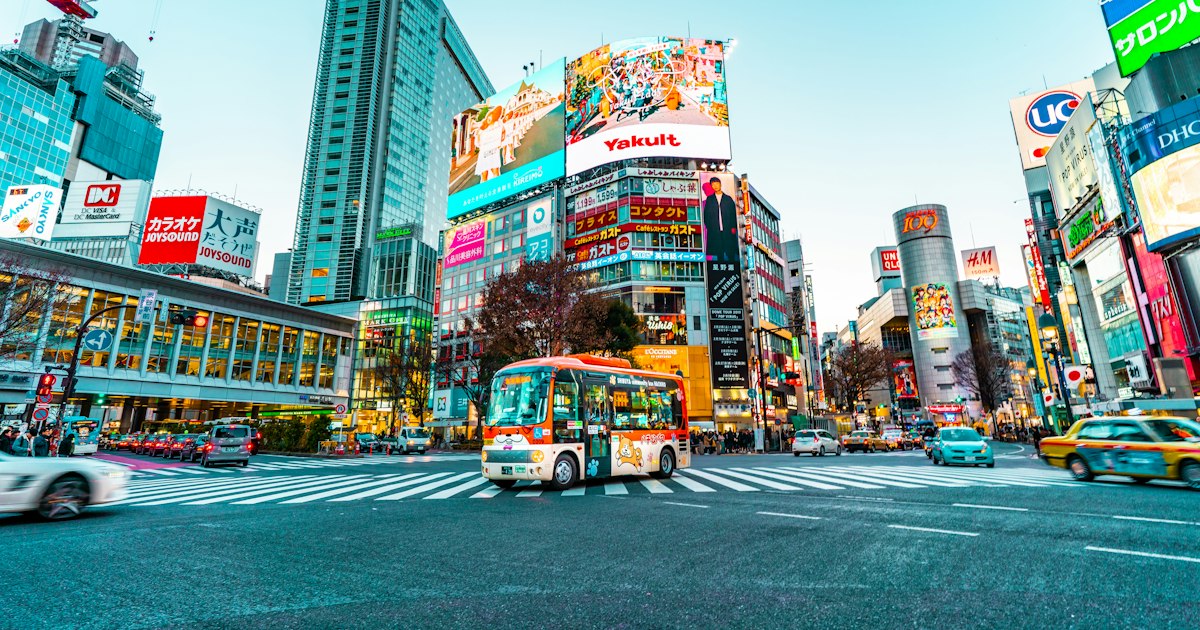
Photo by Jezael Melgoza on Unsplash
Japan is still more cash-friendly than Seoul or Singapore, but the gap has closed fast. Most hotels, department stores, convenience stores, and even a growing number of ramen shops and shrines now take cards. The catch is that not every card is a good one to bring — many U.S. and some European cards still quietly charge 1-3% on every yen you spend abroad. Picking the right card before you leave can save a four-person family trip well over ¥20,000 in silent fees, on top of getting better exchange rates than a currency counter at the airport.
What “no foreign transaction fee” actually means
A foreign transaction fee (FTF) is a surcharge, typically 1-3% of the purchase amount, that your card issuer adds whenever a transaction is processed in a currency other than your home currency or through a non-domestic bank. It’s separate from the exchange rate itself — Visa and Mastercard’s underlying conversion rates are generally competitive and close to the mid-market rate on any given day. The fee is a pure markup your bank keeps. Cards marketed as “no foreign transaction fee” waive this markup entirely, so you pay the same network exchange rate with nothing added. Always check the card’s terms for the exact phrase “foreign transaction fee” or “foreign currency transaction fee” rather than trusting a travel-rewards label alone — some cards marketed for travel still charge 3%.
Card networks and acceptance in Japan
Visa and Mastercard are accepted almost everywhere a card is accepted at all, including most 7-Eleven, Lawson, and FamilyMart registers, JR ticket machines, and department stores. American Express is accepted at major hotels, big department stores (Isetan, Takashimaya, Mitsukoshi), and most airport/duty-free counters, but far fewer small restaurants, local izakaya, and rural shops take it — treat Amex as a secondary card, not your primary one. JCB, Japan’s domestic network, is accepted everywhere by definition, and several JCB-branded cards issued outside Japan (including some Discover-partnered cards in the U.S., since Discover and JCB are linked) waive FTFs and get a slightly warmer reception at smaller merchants. Discover itself has very limited acceptance in Japan — don’t rely on it as your only card.
Categories of cards worth bringing
No annual fee, no FTF: Cards like the Capital One Quicksilver, Discover it (as a backup, not primary), and most Chase cards with “no foreign transaction fee” printed in their terms fall here. These are the right pick if you don’t want to pay anything just to hold the card and don’t care about earning bonus points on travel specifically.
Mid-range travel rewards: Cards such as the Chase Sapphire Preferred or Capital One Venture charge a modest annual fee (roughly $95-$150) but waive FTFs and earn 2-5x points on travel and dining, which adds up on a two-week trip where you’re putting ryokan stays, bullet train tickets, and restaurant meals on plastic daily.
Splurge/premium: The Chase Sapphire Reserve or Amex Platinum carry annual fees of $400-$700+ but add airport lounge access (useful at Haneda and Narita), trip delay/cancellation insurance, and purchase protection — genuinely useful if you’re buying something expensive like a massage chair or a set of Honma or Mizuno golf clubs and want purchase protection as a backstop.
Where cards get rejected, and common mistakes
Chip-and-PIN is standard in Japan; make sure you know your card’s PIN before you leave, since some automated ticket machines and gas stations require it rather than accepting a signature. Many older, family-run restaurants, small guesthouses, temple shops, and street-food stalls are cash-only, especially in rural areas and smaller towns — don’t assume a card will work just because the last three stops took one. A frequent mistake is accepting “dynamic currency conversion” when a card terminal or ATM asks “pay in USD or JPY?” — always choose JPY. Paying in your home currency lets the local merchant’s bank apply its own markup on top of your card’s rate, often erasing the savings from having a no-FTF card in the first place. Another common mistake is forgetting to call or message your bank before departure; even without an FTF, some issuers still flag the first few Japan transactions as suspicious and freeze the card.
Pairing cards with cash
Even with a good card, carry cash for the gaps. Temple and shrine donation boxes, vending machines, small ramen shops, local festival stalls (including anywhere selling happi coats or festival goods), and countryside onsen towns often run cash-only. The easiest way to get cash without a markup is the 7-Bank ATMs inside 7-Eleven stores, which are everywhere, available 24/7, support English menus, and accept foreign cards reliably — just check whether your card issuer or the ATM charges a flat withdrawal fee (often ¥0-¥220 on the Japan side) separate from any fee your home bank adds. Withdraw in larger amounts (¥30,000-¥50,000) rather than small ones repeatedly, since flat per-transaction fees add up faster than percentage-based ones.
Timing and practical setup before you fly
Apply for a new travel card at least 4-6 weeks before departure if you don’t already have one — approval and card delivery can take two to three weeks, and you want time to activate it and set up the mobile app. Set up two-factor authentication and app-based transaction alerts before leaving, since Japanese mobile numbers obviously can’t receive your home-country SMS codes if your plan doesn’t support international texts. Bring at least two different card networks (e.g., one Visa and one Mastercard) plus a backup card from a different bank entirely, stored separately from your main wallet — a lost or frozen card shouldn’t end your trip’s ability to pay for anything. Note that IC cards like Suica and Pasmo, used for trains and convenience stores, can often be topped up directly from a registered no-FTF credit card via the mobile app, which is a good way to keep small daily purchases fee-free too.
Quick picks by travel style
Budget traveler: A no-annual-fee, no-FTF card (Capital One Quicksilver or similar) paired with cash from 7-Bank ATMs covers nearly everything, from convenience-store meals to JR tickets.
Mid-range traveler: A mid-tier travel rewards card earning 2-3x on travel/dining pays for itself if you’re spending more than roughly $3,000-$4,000 on the trip, between hotels, train passes, and dining out.
Splurge traveler: A premium travel card makes sense if you’re flying business class, using airport lounges, or making large purchases — a Mikimoto pearl strand at Toba’s Pearl Island, for instance — where purchase protection and insurance genuinely offset the annual fee.