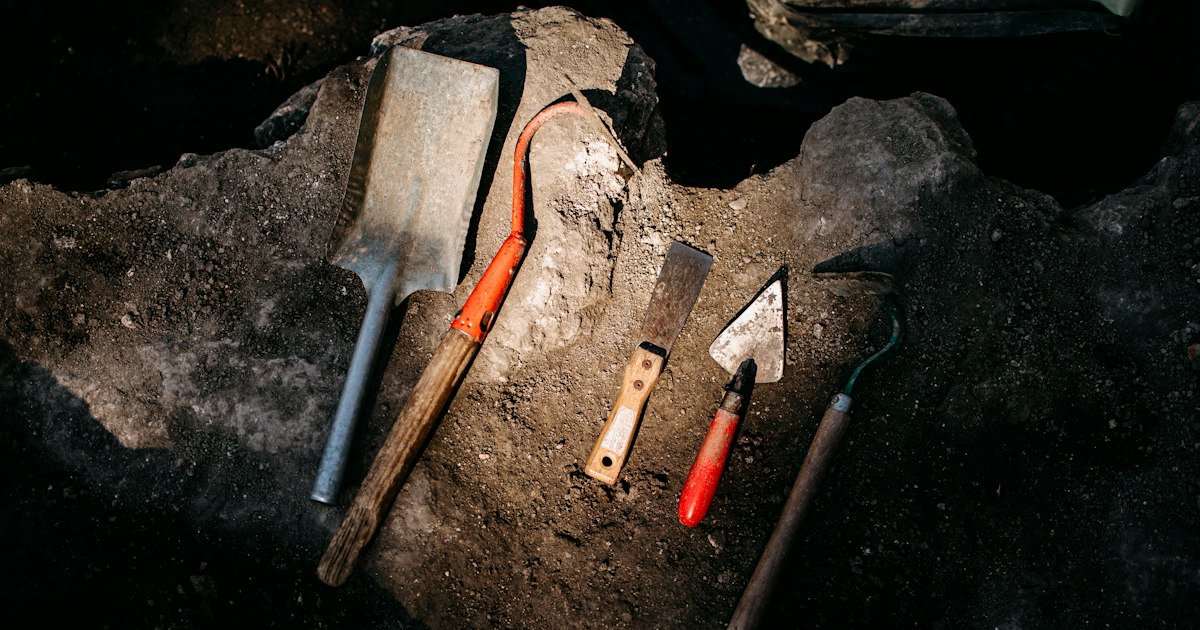
Photo by Trnava University on Unsplash
Ask a serious home gardener outside Japan what’s on their wish list, and you’ll often hear two words: nejiri gama. This twisted-neck weeding hoe has quietly become one of the most sought-after souvenirs for visitors who garden—compact, inexpensive, absurdly effective, and genuinely made in Japan rather than mass-produced for export. If you’re planning a trip and want to bring home something a fellow gardener will actually use (not just display), here’s where to find one and what else is worth picking up alongside it.
What Is a Nejiri Gama, and Why Do Gardeners Swear by It?
Nejiri gama (ねじり鎌) translates roughly to “twisted sickle.” The blade is forged at an angle to the handle, so when you drag it just under the soil surface, the flat side slices weed roots instead of chopping down into the dirt. It works standing, kneeling, or in a crouch, and it’s small enough to keep in a back pocket. Most are 25–35cm long, light enough for one-handed use, and the better ones hold an edge for years because the blade is hand-forged rather than stamped from a sheet of steel.
The design isn’t new or trendy in Japan—it’s a basic farming tool that’s been sold in every hardware store and home center in the country for decades. That everyday-ness is part of the appeal: you’re not buying a tourist trinket, you’re buying the same tool a Niigata rice farmer or a Tokyo allotment gardener actually reaches for.
Where to Buy One in Japan: Home Centers, Craft Towns, and Souvenir Shops
The easiest source is any Japanese home improvement chain—Cainz, Komeri, Kohnan, or DCM. These are large, bright, suburban-style stores that exist in nearly every city and are typically open from around 8:00 or 9:00 to 20:00 or 21:00, seven days a week. The garden tool aisle will have several nejiri gama at different price points, usually unpackaged or in simple blister packs, priced from about ¥400 to ¥1,500. Staff rarely speak English, but the tools are visual enough that you don’t need language—look for the bent-neck blade shape.
If you’re staying central and don’t want to detour to the suburbs, Tokyu Hands and Loft (both have flagship stores in Shibuya and Shinjuku) stock compact, nicely boxed garden tool sets aimed at gift-buyers, including mini nejiri gama and transplanting trowels. They cost more than a home center version—often ¥1,500–¥3,000 for a boxed set—but the packaging survives a suitcase better and makes gifting simpler. For other compact, well-packaged household goods worth a look while you’re in those stores, see our guide to zabuton floor cushions, which are sold through similar retailers.
Tsubame-Sanjo: The Niigata Town Where Many of These Tools Are Forged
If you want the real pilgrimage, head to Tsubame-Sanjo in Niigata Prefecture, a metalworking region that’s been making blades, tools, and tableware for over 300 years. The Joetsu Shinkansen from Tokyo reaches Tsubame-Sanjo Station in about 1 hour 40 minutes. A short walk or taxi from the station is the Tsubame-Sanjo Jiba Sangyo Shinko Center, a regional industry promotion hall with a retail shop stocking tools from dozens of local manufacturers, including well-known brands like Nisaku. Hours generally run roughly 9:00–17:00; it’s worth confirming the current schedule and any holiday closures before you go, since regional facilities sometimes shift hours around local festivals.
This is also the home region of the hori-hori knife—a serrated, slightly concave digging knife that’s become almost as popular a souvenir as the nejiri gama itself, especially for bulb planting and transplanting. Buying directly in Tsubame-Sanjo doesn’t make the tools cheaper than a home center, but it does give you access to the heavier, hand-forged versions that smaller stores don’t stock, and some shops let you see the forging process or visit affiliated workshops.
Budget, Mid-Range, and Splurge Options
Budget (¥400–¥800): A basic stamped-steel nejiri gama from any Cainz, Komeri, or Kohnan. Perfectly functional for light weeding; the steel is thinner and the edge won’t last as long under heavy use.
Mid-range (¥1,500–¥3,500): Forged carbon-steel versions from established brands, often with a lacquered or oak handle, sold at specialty hardware shops or the Tsubame-Sanjo retail center. These hold an edge noticeably longer and are the ones gardening forums usually recommend.
Splurge (¥5,000–¥15,000): Hand-forged, individually finished tools—sometimes with the smith’s name stamped into the blade—sold through craft workshops or specialty tool retailers rather than big-box stores. At this level you’re paying for a named maker and a tool meant to be sharpened and used for decades, not a souvenir shelf piece.
Other Japanese Garden Tools Worth Bringing Home
- Hori-hori knife – a digging/weeding knife with a serrated edge, ¥1,000–¥4,000 depending on steel quality.
- Kana (straight sickle) – for cutting grass and clearing brush, ¥500–¥2,000.
- Japanese pruning shears (uekibachi-yō hasami) – spring-loaded, single-piece forged steel, a step up from most Western pruners; ¥2,000–¥10,000+ for professional bonsai-grade shears.
- Bamboo rakes and hand cultivators – lightweight and easy to pack flat.
If your trip also includes an interest in Japanese craftsmanship and specialty goods more broadly—whether it’s precision-made sporting equipment or collector-grade tools—it’s worth comparing notes with our piece on Honma and Mizuno golf clubs, which covers a similar “everyday object made exceptionally well” shopping category.
Packing, Customs, and Common Mistakes
The biggest mistake visitors make is tossing a nejiri gama or hori-hori knife into carry-on luggage. Both have an edged blade and will be confiscated at airport security; pack them in checked baggage, ideally wrapped in cloth or in their original sheath/box.
The second mistake is skipping the soil check. If you’ve actually used the tool in a garden before heading home, knock off every trace of dirt. Countries with strict biosecurity rules—Australia, New Zealand, and the US among them—can seize or fine for undeclared soil residue on tools at customs, regardless of how small the amount. Buy new, unused tools when possible, and declare gardening equipment if your destination’s customs form asks about it.
Third: don’t assume thinner equals cheaper-but-fine. Some bargain nejiri gama are stamped from mild steel rather than forged carbon steel—they’ll dull fast and can bend against roots or rocky soil. If a tool feels very light and flexible for its size, it’s likely the budget-stamped version; that’s fine for light potted-plant weeding but disappointing for anyone expecting the legendary edge-holding reputation.
Best Time to Shop
Home centers restock and expand their garden tool sections heavily from March through May, ahead of Japan’s spring planting season, so selection is widest then. Autumn (September–October) is a secondary restocking period before the cooler months. If you’re traveling outside those windows, the core nejiri gama and hori-hori styles are still in stock year-round—they’re basic tools, not seasonal novelties—but you’ll see fewer size and brand variations in deep summer or midwinter.
However you build your itinerary around this, a home center detour takes under 30 minutes and costs less than a coffee for a tool that often outlasts everything else in the suitcase. Pair it with a quick stop through one of Japan’s ekinaka station malls on the way to or from the shinkansen, and you can knock out garden tools and other compact souvenirs in the same afternoon. For a similarly practical, use-it-don’t-just-display-it souvenir in the same spirit, the shichirin tabletop grill makes a good companion purchase for anyone furnishing a kitchen or backyard with authentic Japanese tools.