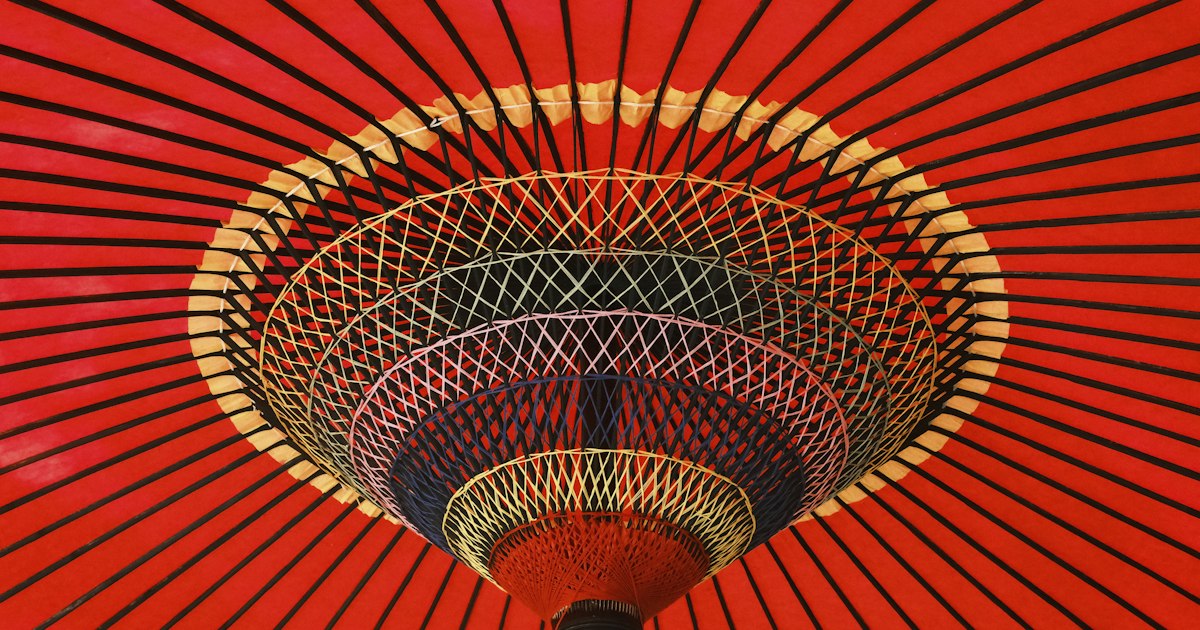
Photo by Perry Merrity II on Unsplash
Tucked into the hills of Echizen City in Fukui Prefecture, the Imadate district has been making paper by hand for roughly 1,500 years — long enough that locals still leave offerings to the goddess they credit with teaching them the craft. Echizen washi isn’t a museum piece; it’s the paper that Japan’s imperial court once demanded, the paper used to develop the watermark technology in yen banknotes, and the paper serious woodblock print artists and calligraphers still specify by name. If you’re building a Japan itinerary around traditional crafts, this is one of the few places where you can watch a sheet being pulled from a vat, buy it from the person who made it, and understand exactly why it costs what it costs.
A Village Built Around One Goddess and One Craft
According to local legend, some 1,500 years ago a woman appeared on the banks of the Okamoto River in what is now Imadate and taught the impoverished villagers, who had poor farmland, how to make paper from the mulberry growing along the valley. When asked her name, she vanished into the river. The villagers enshrined her as Kawakami Gozen, goddess of papermaking, and built Okamoto Otaki Shrine (岡太神社・大瀧神社) in her honor — its elaborate, richly carved roof is registered as an Important Cultural Property and is worth the walk up the hill on its own.
The five hamlets that once made up this “paper village” — collectively called Goka — still house dozens of working mills, many run by families who’ve done this for ten generations or more. The most famous is the Iwano family, whose head, Iwano Ichibei, holds the title of Living National Treasure for Echizen Kizuki-hosho, a strong, high-grade paper historically used for art restoration and prints.
Echizen Washi no Sato: What to See and Do
The easiest way to experience the craft is at the Echizen Washi no Sato (越前和紙の里) complex, which groups together three sites within a few minutes’ walk:
- Udatsu Craft Museum — a preserved Edo-period papermaking house where artisans demonstrate hand-forming sheets in the traditional nagashizuki method.
- Paper & Culture Museum — a small history museum covering washi’s uses from imperial documents to banknotes.
- Papyrus Kan — the hands-on studio, where you dip a frame (a “su”) into a vat of pulp and make your own postcard or larger sheet to take home.
Combined admission to the two museums runs around ¥400 for adults; the papermaking experience at Papyrus Kan is separate, typically ¥500–800 for a postcard-sized sheet and more if you want a larger piece or a custom lampshade. Facilities are generally open 9:00 am–4:00 pm and close on Wednesdays and over the New Year holidays, so check ahead if you’re planning a weekday visit. Budget at least two to three hours if you want to see all three sites and try the papermaking experience without rushing.
Getting There and Best Time to Visit
Access got noticeably easier in March 2024, when the Hokuriku Shinkansen extended to Tsuruga and added a new stop, Echizen-takefu Station, close to Imadate. From there, or from JR Takefu Station on the conventional line, it’s about a 15–20 minute taxi ride (roughly ¥2,500–3,000) or a local community bus to Washi no Sato — buses run infrequently, so build in slack rather than timing a visit around one. If you’re touring Fukui by rental car, this is an easy add-on to a Fukui/Eiheiji itinerary; just make sure you’ve sorted an ETC card for the expressway tolls before you set out, covered in our guide to ETC cards and expressway tolls.
Autumn (November) brings good foliage along the valley and comfortable walking weather; spring is pleasant too. Winter in this part of Fukui gets genuinely snowy, which makes the shrine and old paper houses photogenic but slows down bus schedules, so plan around a car or taxi if you go December–February. If you want to stay overnight in the area rather than day-tripping from Fukui City or Kanazawa, this region has traditional farmhouse lodging worth considering — see our guide to kominka stays for how that style of accommodation works.
Where to Buy Echizen Washi
Budget (under ¥1,000): Washi postcards, bookmarks, and small notepads sold in the Washi no Sato gift shop run roughly ¥300–800. These make honest, packable souvenirs and are genuinely handmade, not printed imitations.
Mid-range (¥1,000–6,000): Look for washi lampshades, letter sets, and dyed decorative sheets (some mills specialize in indigo or patterned “chiyogami”-style paper). Business card paper and printing paper for calligraphy or nihonga (Japanese painting) also fall in this range and are popular with practitioners who want the real material rather than a machine-made substitute.
Splurge (¥10,000 and up): Large-format Kizuki-hosho sheets, custom-commissioned decorative screens, or pieces from named master papermakers can run well into five figures. Several mills in the area will take custom orders — sizes, weights, and fiber blends — if you’re buying for a specific restoration, art, or interior design project rather than as a souvenir. Some workshops are open to visitors by appointment; asking at the Washi no Sato information desk is the easiest way to arrange this if your Japanese is limited.
Buying Washi Outside Fukui
If Imadate doesn’t fit your route, Echizen washi is stocked by a handful of long-established paper specialists elsewhere in Japan. Ozu Washi (小津和紙) in Nihonbashi, Tokyo — a paper merchant with roots going back to the Edo period — carries washi from multiple regions including Echizen, alongside knowledgeable staff who can explain the differences between grades. It’s a useful backup if you’re based in Tokyo and want authentic Echizen paper without the trip to Fukui. As with other regional craft shopping in Japan, it pays to compare a few makers before buying — our guide to Karatsu ware in Saga covers a similar approach for pottery, and the principles (buy from the source when you can, ask about the maker, don’t assume all “traditional” goods on sale are actually handmade) apply just as well here.
Common Mistakes to Avoid
- Treating it as a five-minute photo stop. Washi no Sato rewards a slower visit — the demonstrations and hands-on experience are the point, not just the shrine.
- Confusing Echizen crafts. Fukui is also known for Echizen-yaki pottery and Echizen lacquerware (made in nearby Sabae), which are different crafts entirely despite the shared regional name — double-check labels if you’re buying for a specific purpose.
- Not booking the papermaking experience ahead on weekends or holidays. Walk-ins are usually fine on weekdays, but tour groups can fill the Papyrus Kan studio during peak seasons.
- Assuming buses run often. Public transport in Imadate is sparse; a taxi or rental car removes most of the friction.
- Buying “washi” souvenirs elsewhere without checking origin. Machine-made paper is sold generically as “washi” in many souvenir shops — if authenticity matters to you, buying at Washi no Sato or a specialist like Ozu Washi is the safer bet.
Echizen washi isn’t a flashy stop compared to Fukui’s dinosaur museum or Tojinbo cliffs, but it’s one of the more rewarding half-days you can spend in the prefecture if you care about craft and want a souvenir with real provenance — paper made in the same valley, by the same handful of families, for a millennium and a half.