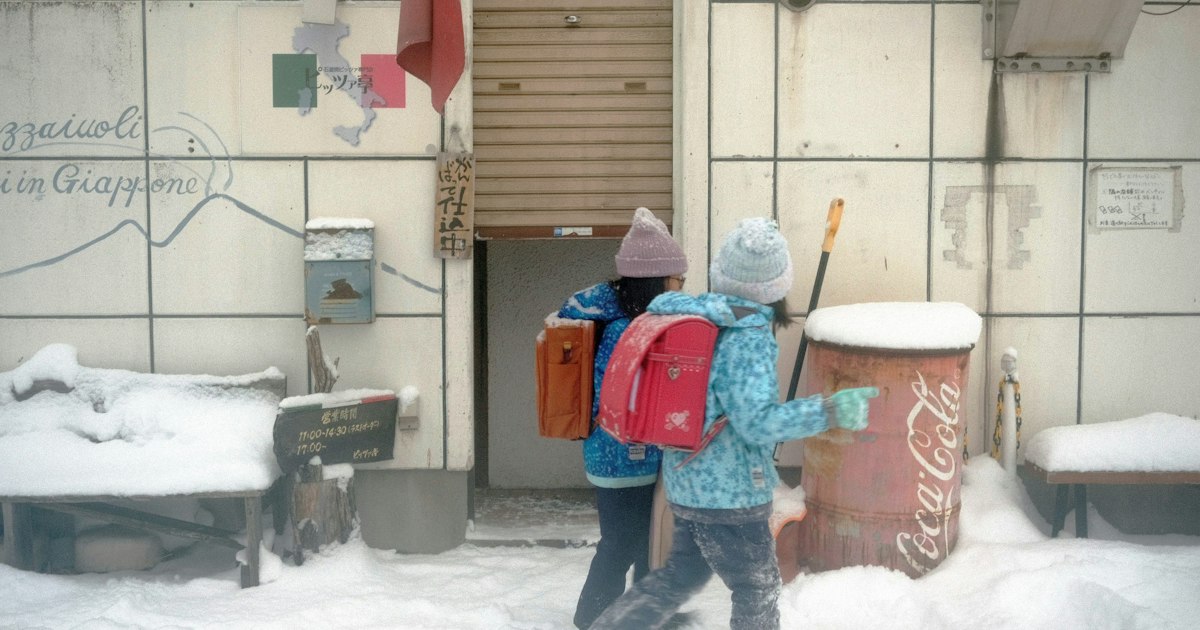
Photo by Dominic Kurniawan Suryaputra on Unsplash
If you’re spending a winter in Niigata, Hokkaido, Nagano, or Tohoku with young kids, buying a sled locally almost always beats hauling one from home. Japan’s snow country is full of secondhand options — plastic sora sleds for backyard hills, and the occasional pulk for towing a toddler across packed snow — and prices are low enough that reselling before you leave often costs you next to nothing. Here’s how to actually find one, what to pay, and what trips up first-time buyers.
Sled vs. Pulk: Know What You’re Actually Looking For
Most of what Japanese families use for casual sledding is a molded plastic sled called a sora sled or simply “yuki asobi” (snow play) sled — a flat or slightly scooped plastic shell with raised side rims and sometimes a rope handle, built for sliding down a slope on your own momentum. These are sold new at any home center in snow country for roughly ¥1,000–¥3,000, so secondhand ones go for ¥300–¥1,000, often less.
A pulk — the rigid-hulled sled with a tow bar or rope that an adult pulls behind them, usually with a harness or waist belt, used to move a small child across flat snow rather than down a hill — is far less common in ordinary Japanese retail. Decathlon Japan carries a version seasonally, and Nordic-style pulks mostly circulate among expat families or cross-country ski enthusiasts. If you specifically need a pulk rather than a slide-down sled, expect to search harder and pay more, and budget extra time to track one down secondhand.
Where Locals Actually Find Used Sleds
The single most useful tool is Jimoty (ジモティー), Japan’s local classifieds app, where families post sleds, snow boots, and other kids’ winter gear for free or a few hundred yen, with pickup arranged nearby. Search “ソリ” (sori) or “そり” plus your city or ward name. Many listings are literally “come take it, we’re done with winter sports” — a byproduct of the same decluttering culture covered in our guide to how renters dispose of large items (sodai gomi); rather than pay a disposal fee, many households would rather hand a sled to someone for free.
Recycle shops (risaikuru shoppu) in ski towns and snow-belt cities are the second-best bet. These are general secondhand stores — not dedicated sporting goods chains — but in places like Nagano, Niigata, and Hokkaide they regularly stock seasonal kids’ sleds for ¥500–¥1,500 between November and February. The model is similar in spirit to Japan’s dedicated secondhand sporting-goods superstores described in our Golf Partner secondhand buyer’s guide — high turnover, honest condition grading, cheap prices — just without a chain specializing in snow gear the way Golf Partner specializes in clubs.
Home centers (Kohnan, Cainz, DCM, Komeri) don’t typically buy back used sleds, but some run seasonal trade-in or discount bins in late February and March as they clear shelf space for spring. It’s worth asking at the customer service counter whether they have a “wake-ari” (slightly damaged or returned) corner — sleds with hairline cracks or missing rope handles sell for half price there.
Best Timing for Buying — and Reselling
Buy in November to early December, before the first real snowfall, when secondhand listings are still thin but prices haven’t spiked. By late December through January, demand from other families pushes Jimoty prices up slightly and recycle shop stock thins out fast on weekends. The sweet spot for cheap inventory is actually late February into March, as families who are done for the season dump gear ahead of spring cleaning — but by then you may only get a few weeks of use out of it, so weigh timing against how long you’ll be around.
If you’re only in snow country for a short trip rather than a season, skip buying altogether and use a resort’s rental or free-lend sled corner instead — many ski areas and family-oriented snow parks lend sleds free with a lift ticket or small facility fee, which is cheaper than buying and reselling for a one-week stay.
Budget, Mid-Range, and Splurge Picks
- Budget (¥0–¥500): Free or near-free Jimoty pickups, hand-me-downs from other expat families, end-of-season recycle shop clearance bins.
- Mid-range (¥500–¥2,000): A clean secondhand sora sled from a recycle shop, or a new basic plastic sled from a home center — new is sometimes barely more expensive than used, so compare before assuming secondhand is automatically cheaper.
- Splurge (¥3,000–¥8,000+): A steerable sled with a brake bar, or a genuine pulk with a padded seat and tow harness, usually bought new from Decathlon or a specialty outdoor shop since secondhand pulks are scarce. Worth it only if you’ll use it repeatedly, such as daily walks across snowy ground with a toddler who can’t yet walk the distance.
Common Mistakes
The biggest one is buying a sled sized for a much younger child — Japanese sora sleds are graded loosely by age on the packaging (roughly 2–4, 4–8, 8+), and an oversized kid on an undersized sled will crack the plastic on the first icy run. Check weight limits, usually printed in small text on the underside, typically 30–50kg for standard models.
Second: most cheap plastic sleds have no brake and minimal steering, which is fine on a gentle backyard slope but genuinely dangerous on a groomed resort course with other skiers around — don’t bring a ¥500 flea-market sled onto an actual ski hill’s sledding run, use the resort’s own rental sleds there instead, which are built and insured for that terrain.
Third, don’t assume you can check a full-size sled or pulk as airline luggage without hassle — most are too bulky or exceed linear-dimension limits, which is exactly why buying locally and reselling or giving it away before you leave (via the same Jimoty route you bought it through) is the practical move rather than shipping one home.
Where to Actually Use It
If you’re based in Sapporo, the gentle snow slopes around Jozankei Onsen make a good test run close to the city, with a hot spring soak afterward to warm everyone up. Families in the Tokyo area without easy access to deep snow country can still get a taste of snow play by riding the Seibu Railway out to Chichibu on a cold snap, where hillside parks occasionally get enough accumulation for an impromptu sled run — just don’t expect Niigata-level snowpack that far south.
Buying used is less about saving a few hundred yen and more about not lugging bulky gear across an international flight for something your kids will use for a handful of weekends. Grab it locally, use it hard, and pass it on the same way you found it.