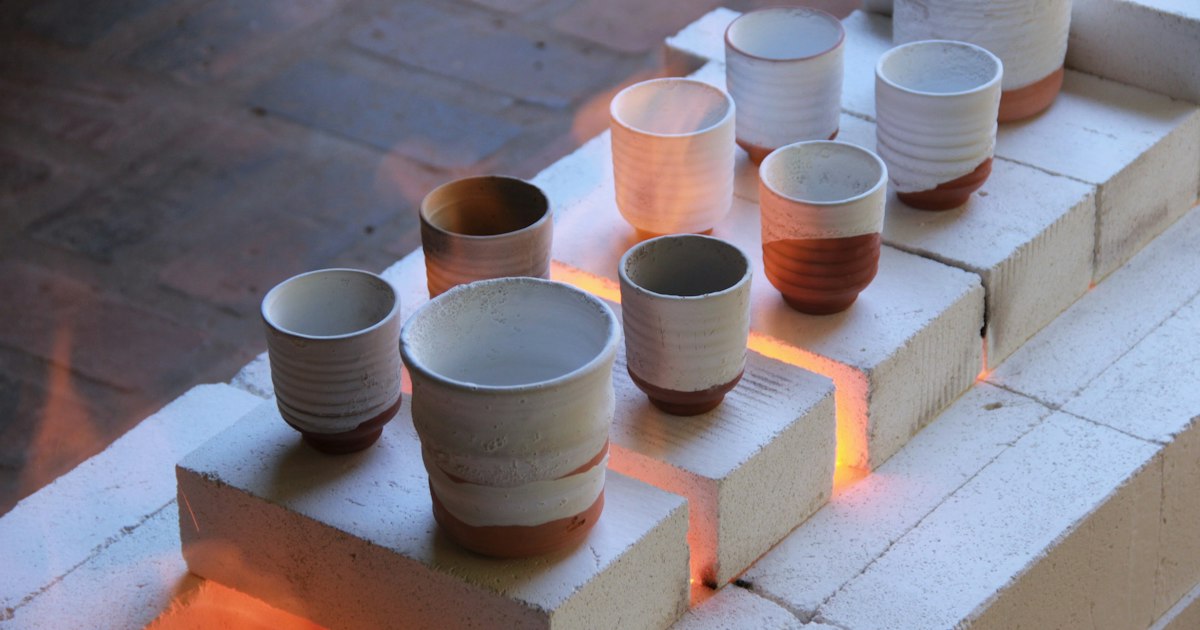
Photo by Viviane Okubo on Unsplash
Ask a tea-ceremony devotee to rank Japan’s ceramics and you’ll often hear the old saying “Ichi Raku, Ni Hagi, San Karatsu” — first Raku, second Hagi, third Karatsu. That third-place pottery is made in and around Karatsu, a quiet port city in Saga Prefecture on the northwest coast of Kyushu. Unlike the painted porcelain of nearby Arita, Karatsu ware is earthy stoneware — muted glazes, visible clay, and an intentional roughness that tea masters have prized for over 400 years. If you’re building a Kyushu itinerary around craft shopping, here’s what to know before you go, and where to actually spend your money.
A Brief History Worth Knowing Before You Shop
Karatsu ware traces back to the late 1500s, when Korean potters — brought to Japan during Toyotomi Hideyoshi’s campaigns on the Korean peninsula — settled in the Karatsu area and introduced climbing kiln (noborigama) technology and glazing techniques that didn’t previously exist in Japan. The city was also a major shipping port, and for centuries “Karatsu-mono” (Karatsu goods) became a generic term for pottery across western Japan, similar to how “china” became shorthand for porcelain in English. Understanding this backstory matters when you’re shopping, because sellers will often describe a piece by its lineage — which family kiln, which generation, which historical style it revives — and that context is a big part of what you’re paying for.
The Styles You’ll Actually See in Shops
Karatsu ware isn’t one look — it’s a family of related styles, and recognizing them will help you buy something you actually like rather than whatever’s closest to the door:
- E-Karatsu — cream or grey glaze with simple iron-oxide brush paintings, often plants or grasses. The most recognizable style to newcomers.
- Chosen-Karatsu (Korean Karatsu) — two glazes meeting on one piece, typically a dark iron glaze over a lighter straw-ash glaze, creating a dramatic split.
- Madara-Karatsu — a mottled, milky-white glaze with grey or bluish speckling.
- Kuro-Karatsu — deep black or near-black glaze, austere and minimalist.
- Muji-Karatsu — plain, unadorned glaze that shows off the clay body and form itself.
If you’re new to Japanese ceramics generally, this is a good moment to compare notes with other traditional crafts — if you’ve read about Kyoto’s boxwood combs, the same logic applies here: regional materials and techniques produce distinct “schools,” and knowing the vocabulary helps you avoid overpaying for something generic.
Getting to Karatsu and When to Go
Karatsu is an easy day trip or overnight from Fukuoka. The most direct route is the JR Chikuhi Line, which through-runs with the Fukuoka City Subway’s Airport (Kuko) Line — you can board at Fukuoka Airport, Tenjin, or Hakata Station and ride straight through to Karatsu Station without changing trains, in roughly 1 hour to 1 hour 20 minutes depending on the departure point, for around ¥1,150–1,300 one-way. Highway buses from Tenjin bus terminal cover the same route in about an hour for a similar fare.
If you’re renting a car to explore the kilns scattered through the surrounding hills and villages — many of the best small studios aren’t near a train station — you’ll want to know how the expressway toll system works before you go; our guide to ETC cards and expressway tolls covers what rental counters do and don’t tell you.
Timing matters more here than in most shopping destinations. The single best window is Golden Week (roughly April 29–May 5), when Karatsu hosts its annual pottery festival, Karatsu Yakimon Matsuri, drawing dozens of kilns to set up stalls in the city center around Karatsu Shrine and the old merchant streets — this is the one time of year you can compare huge numbers of kilns side by side and often buy directly at festival pricing. The other major date is Karatsu Kunchi (November 2–4), a UNESCO-listed festival of enormous lacquered floats — not pottery-focused, but if you’re in town for ware-shopping anyway, it’s worth timing your trip around it for the atmosphere. Outside these dates, spring and autumn are simply the most pleasant seasons for driving between rural kiln studios; summer is hot and humid, and some smaller family kilns close or reduce hours in winter.
Where to Buy: Budget, Mid-Range, and Splurge
Budget (¥3,000–10,000): Guinomi (small sake cups) and yunomi (tea cups) are the most affordable entry point into Karatsu ware and make genuinely useful souvenirs. Furusato Kaikan Alpino, a local-products hall a short walk from Karatsu Station, stocks pieces from a range of different kilns under one roof, which is the easiest option if you don’t have a car or a full day to spend driving between studios.
Mid-range (¥15,000–50,000): This is where you start finding proper chawan (tea bowls) suitable for actual tea ceremony use, from working potters with their own kilns. Several family studios around the city sell direct from their showrooms, and buying this way often means meeting the potter and hearing directly how the piece was fired — anagama (wood-fired) kilns in particular produce unpredictable ash-glaze effects, so no two pieces are alike.
Splurge (¥100,000 and up): The Nakazato Taroemon kiln, a short walk from Karatsu Castle, represents an unbroken family lineage stretching back to the 1600s; the 12th-generation potter was designated a Living National Treasure for his Chosen-Karatsu work. Pieces from this kiln, and from other well-known studios like Ryuta-gama, run well into six figures of yen for signed work by senior potters, and genuine antique Karatsu ware at auction or through reputable antique dealers can reach into the millions of yen. If you’re spending at this level, ask for a certificate of authenticity (kyoshomo) and box (tomobako) signed by the potter — these matter enormously for resale value and authentication.
Common Mistakes to Avoid
- Confusing Karatsu ware with Arita/Imari porcelain. Both are made in Saga Prefecture, but they’re completely different traditions — Karatsu is unglazed-looking stoneware for tea ceremony, Arita/Imari is painted white porcelain. Sellers assume you know the difference; ask if you’re unsure.
- Showing up at small kilns without checking hours first. Many family studios are genuinely small operations — the potter may be at a market, in the kiln shed, or simply closed that day. A quick phone call or checking the kiln’s website before driving out saves a wasted trip.
- Assuming you can bargain. Haggling isn’t customary at craft studios in Japan, even for expensive pieces. Prices are fixed.
- Paying only by card. Smaller kiln shops, especially rural ones, are often cash-only or have unreliable card readers. Carry enough yen.
- Not asking about shipping. Ceramics are heavy and breakable in a suitcase. Most established kilns and Alpino can arrange domestic or international shipping (takkyubin) for a fee — always ask before you carry a wrapped bowl through three more cities.
Karatsu rewards travelers who slow down — it’s not a flashy craft town like some porcelain destinations, and that’s rather the point. Between the kiln visits, Karatsu Castle, and the pine-covered Niji-no-Matsubara coastline nearby, it’s an easy and worthwhile detour if you’re already making your way through Kyushu, whether by rental car or the direct train from Fukuoka.