Photo by Thuy Duong Nguyen on Unsplash
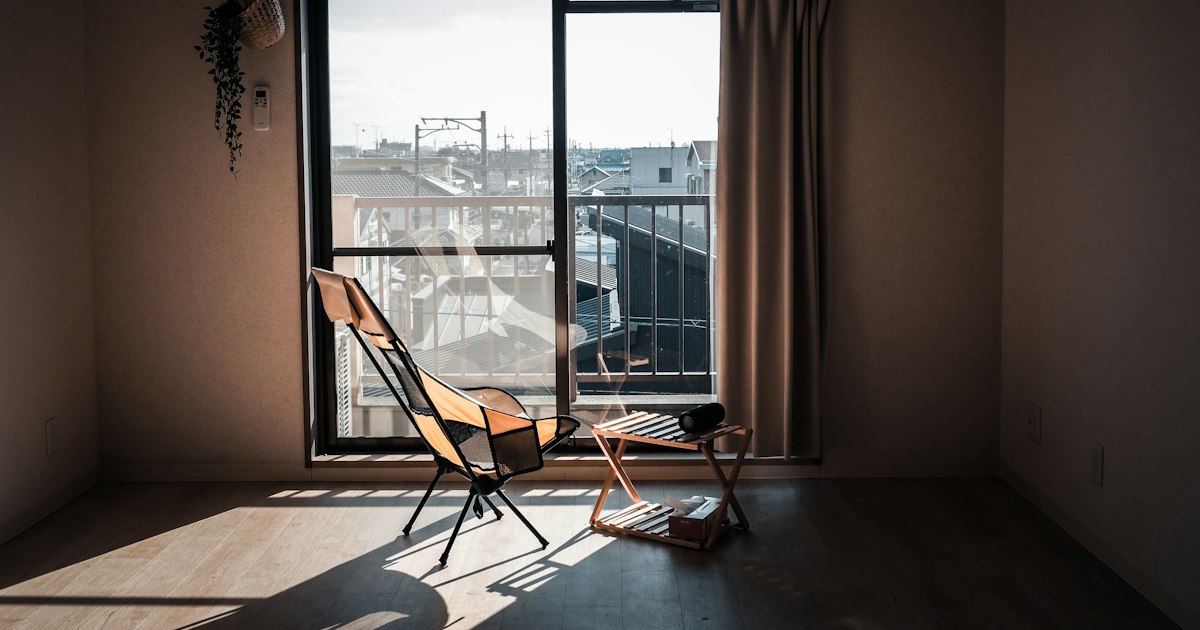
Walk into most Japanese apartments in January and you’ll notice something missing: a radiator, a vent, any sign of central heating at all. Unless you’re in a brand-new high-rise or a converted Western-style building, Japan simply doesn’t build residential heating infrastructure into the walls. Each room heats itself, independently, with whatever appliance you plug in or carry from room to room. For visitors on a long stay — language students, remote workers, people doing a work exchange, or anyone renting a short-term apartment through the colder months — this comes as a genuine shock. Here’s how renters here actually solve it, what things cost, and which mistakes waste the most money.
Why Japan skips central heating
Japanese building codes and housing norms grew up around localized heating for a mix of reasons: mild winters in much of the country (Tokyo, Osaka, and Fukuoka rarely see hard freezes), high humidity that makes whole-house forced-air systems prone to mold issues, and a cultural habit of heating “the person, not the room” — hence kotatsu tables and heated toilet seats rather than warm hallways. The tradeoff is that tenants, including foreign renters, are expected to buy and manage their own heating devices. If you’re dealing with damp, poorly ventilated rooms in winter, it’s worth also reading up on fighting mold in Japanese apartments, since sealed-up rooms running heaters all day are exactly where mold problems start.
The three main device types, and what they actually cost
You’ll see three categories at any electronics store or home center (Nitori, Yamada Denki, Bic Camera, Cainz):
- Oil heaters (オイルヒーター) — De’Longhi and Toshiba models dominate. They heat slowly (20–30 minutes to warm a room) but run silently, don’t dry out the air much, and are considered the safest option for bedrooms you’ll sleep in with the heater on. Expect ¥15,000–¥35,000 for a unit that covers a 6–8 tatami room (roughly 10–13 m²). Running cost is the real downside: oil heaters are pure electric resistance heaters, so a mid-size unit on for 8 hours can add ¥300–¥600 a day to your electric bill depending on your plan.
- Panel heaters (パネルヒーター) — Thinner, often wall-mountable or leaned against a wall, these heat faster than oil heaters and cost less upfront, typically ¥6,000–¥15,000 for a small room unit. They’re the best fit for a short-term rental where you don’t want to commit much money, and they’re light enough to move between rooms.
- Kerosene fan heaters (石油ファンヒーター) — The budget workhorse in colder regions (Tohoku, Hokkaido, inland Nagano). A Corona or Toyotomi unit runs ¥10,000–¥25,000, heats a room in under 5 minutes, and kerosene itself costs around ¥100–¥120 per liter at a self-service station or home center pump. The catch: you must crack a window periodically for ventilation (they’re not sealed combustion units in most home models), and as a renter you need somewhere to store a kerosene tank, which isn’t always practical in a small Tokyo apartment.
Budget, mid-range, and splurge picks
Budget (under ¥10,000): A basic ceramic fan heater or small panel heater from Nitori, Daiso’s larger home-goods stores, or a home center. These won’t heat a whole room evenly but work well paired with a kotatsu or heated carpet for spot warmth. Daiso itself doesn’t sell electric heaters, but its seasonal winter goods — disposable hand warmers, hot water bottles, heat-retaining curtains — are worth grabbing in the same shopping trip to cut down on how much you need the heater running.
Mid-range (¥15,000–¥30,000): A Toshiba or De’Longhi oil heater, or a Corona kerosene fan heater if you’re in a colder region and have kerosene storage space. This is the sweet spot for anyone staying 3+ months.
Splurge (¥35,000+): Dyson or Balmuda panel/fan heaters with app control and timers, or a built-in-style floor heating panel for a studio. Worth it mainly if you’re in the apartment long-term or working from home all day in the room.
Where and when to buy
Home centers (Cainz, Kohnan, DCM) and electronics chains (Yodobashi, Bic Camera, Yamada Denki) restock heaters from late September through November, and this is the best window to buy — selection is widest and prices haven’t been discounted-away by stockouts. Most stores are open 10:00–21:00 daily. By late December, cheap models sell out and you’re often stuck paying full price for whatever’s left. If you’re arriving mid-winter, secondhand/recycle shops (Hard Off, Jumble Store, local “recycle shop” chains) often carry barely-used oil and panel heaters for 30–50% off retail, since previous renters sell them before moving out — this is genuinely one of the best heater sources if timing lines up with the spring moving season (late February–March) when outgoing tenants offload appliances cheaply.
Common mistakes renters make
- Underestimating electricity cost. Running an oil or panel heater all day in a single room can add ¥10,000–¥15,000 a month to your electric bill. Many renters switch to running it only in the hour before bed and the hour after waking, plus a kotatsu or heated carpet for the rest of the day.
- Buying a unit sized for the wrong room. Japanese heaters are rated by room size in tatami mats (畳) or square meters — a heater rated for 6畳 won’t adequately heat an 10畳 room. Check the box rating against your actual room size before buying.
- Running kerosene heaters without ventilation. This isn’t optional — unventilated kerosene heaters cause real carbon monoxide risk. If your rental doesn’t allow easy window-cracking (some newer soundproofed apartments), stick to electric.
- Not checking the building’s amperage limit. Older apartments sometimes cap circuits at 20–30A total. Running an oil heater plus a microwave and a kettle simultaneously can trip the breaker. Check your rental’s breaker panel or ask your landlord/agency if you’re not sure.
If you’re renting short-term or through a program
If you’re in Japan on a language school stay, student dorms and school-arranged apartments sometimes include a heater already, so ask before buying your own — duplicate purchases are a common waste of money for students on a semester-long stay. The same goes for WWOOF and guesthouse work-exchange stays: many rural guesthouses rely on a single kerosene heater or kotatsu for a shared common room rather than heating individual rooms, so pack warmer sleepwear and a few disposable hand warmers if you’re heading somewhere at altitude or up north in winter.
Whatever you land on, the underlying habit to adopt is the Japanese one: heat the room you’re in, for the hours you’re actually in it, and layer up (thermal underwear, a kotatsu, a heated carpet) rather than trying to keep an entire apartment at a constant temperature the way you might at home. It’s cheaper, and it’s how most long-term renters here make it through winter without a shocking electric bill.