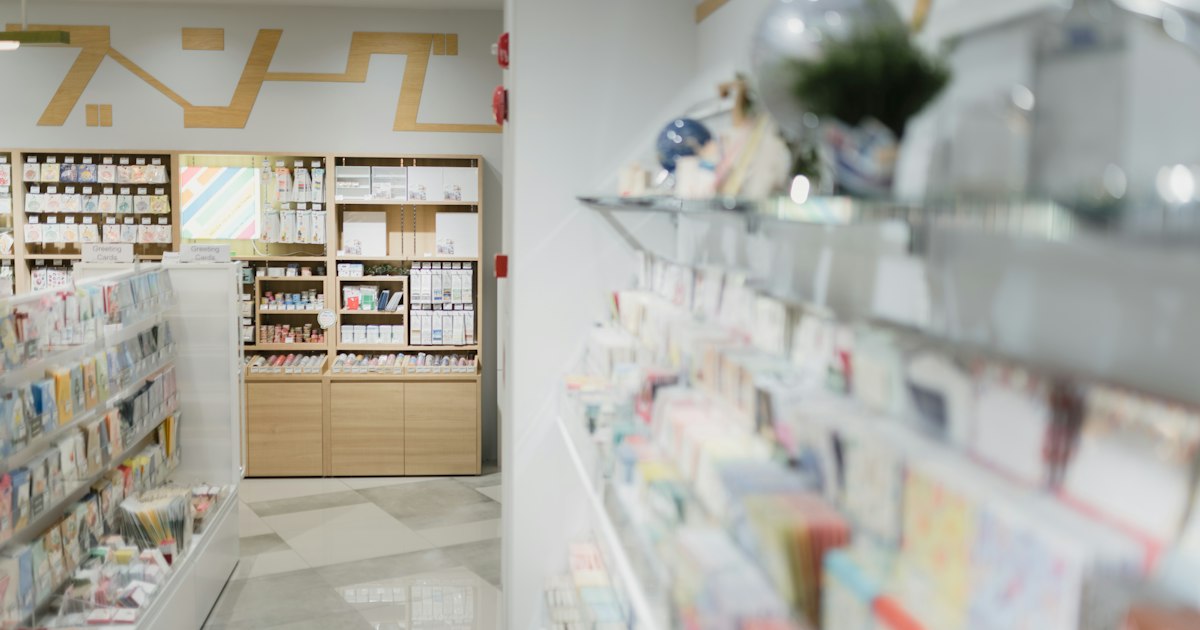
Photo by Nathaniel Yeo on Unsplash
If you’ve ever wondered why Japanese hand cream and lip balm have such a devoted following among travelers, it comes down to three things: they’re cheap, they’re sold everywhere, and the formulas genuinely work for the kind of windburned, heater-dried skin you get from a week of walking around Tokyo in winter. This guide covers the big drugstore names — Hada Labo, Mentholatum, Kiss Me and a few splurge-worthy picks — along with where to actually buy them, what they cost, and the mistakes first-timers make.
Why Japanese hand cream and lip balm are worth buying here
Japan’s quasi-drug (iyakuhin) cosmetics category means many hand creams and lip balms sold at ordinary drugstores contain active healing ingredients — urea, glycyrrhizinate, vitamin E, allantoin — at concentrations that would often be sold as “treatment” products elsewhere. They’re also formulated for Japan’s specific climate problem: bone-dry winter air indoors combined with strong forced-air heating, which cracks hands and lips fast. You’ll find entire shelf sections devoted to this single complaint, and the price-to-effectiveness ratio is hard to beat anywhere else.
Hada Labo: the hyaluronic acid specialist
Hada Labo (肌ラボ) built its reputation on Gokujyun, a hyaluronic acid lotion line, and the hand cream version carries the same philosophy: lightweight, fragrance-free or very lightly scented, and fast-absorbing. The Gokujyun Hada Cream (around ¥700–900 for a 50g tube) works well as an all-over face-and-hand moisturizer, which makes it popular with travelers packing light. Hada Labo also makes a dedicated hand cream with ceramide and hyaluronic acid (roughly ¥600–800) that’s less greasy than most Western equivalents — good if you dislike the heavy, waxy feel of typical hand creams but still want real moisture.
Mentholatum: the classic for serious dryness
Mentholatum is the brand most Japanese people actually reach for when hands or lips are cracked and painful, not just dry. Hand Veil (ハンドベール), about ¥500–650 for a tube, has a noticeably thicker, more occlusive texture than Hada Labo’s offerings and is the one locals recommend for winter cycling or ski trips. For lips, the two to know are Medicated Lip Balm (a stick, around ¥400–500) for everyday use, and Lip Fondant (¥600–700), a richer balm in a small jar that’s become a cult favorite — it’s less minty than the stick and feels more like a treatment mask than a daily chapstick. If you have sensitive lips, start with Lip Fondant rather than the stick, since some Mentholatum stick formulas include menthol that stings on already-cracked skin.
Other brands worth a look
Kiss Me’s medicated lip creams (around ¥450–550) are another reliable budget pick, often found in cute seasonal packaging. DHC’s olive-oil lip balm (about ¥500) is a long-running favorite for very dry, flaking lips and contains almost no fragrance. On the splurge end, Shiseido’s hand creams (¥1,500–3,000 depending on the line) and brands like Naturie or Curel — Kao’s sensitive-skin label — step up in both texture and price, with Curel in particular aimed at people with eczema-prone or reactive skin. None of these require a prescription or pharmacist consultation; they sit on open shelves like any other cosmetic.
Where to buy: drugstores, convenience stores, and airports
You don’t need to hunt for specialty shops — this is drugstore-chain territory. Matsumoto Kiyoshi, Sundrug, Tsuruha, Sugi Pharmacy, and Welcia are the big national chains, and in tourist-heavy areas like Shinjuku, Shibuya, Dotonbori (Osaka), and Nakasu (Fukuoka) you’ll often find several branches within a few blocks of each other, frequently open from 9:00 or 10:00 am until 9:00–11:00 pm, including Sundays. Don Quijote (“Donki”) stores stock the same brands, usually at similar or slightly higher prices but with longer hours — many locations run 24 hours. Convenience stores (7-Eleven, Lawson, FamilyMart) carry a smaller selection of Mentholatum and Kiss Me products at near-identical prices if you need an emergency lip balm at midnight. Narita and Haneda airport pharmacy shops stock travel-size Hada Labo and Mentholatum items too, handy for a last-minute purchase before boarding, though selection is narrower than a city drugstore. If a skin issue flares up rather than just everyday dryness, see our guide on what to do if you get sick in Japan for how pharmacies and clinics differ.
Best timing and common mistakes
December through February is peak season for a reason — indoor heating and cold outdoor wind make Japan’s dry-skin products most useful exactly when you need them, and stores keep shelves fully stocked with seasonal multi-packs and gift sets. That said, these products work year-round against air conditioning in summer, so there’s no bad time to buy. A few mistakes to avoid: don’t assume “medicated” (yakuyou) automatically means mild — some formulas include menthol or alcohol that can sting broken skin, so check the package or ask a drugstore staff member (many central Tokyo and Osaka branches have some English-speaking staff) if you have sensitive skin. Also don’t confuse hand cream (hando kuriimu) with body lotion (nyuueki), which is thinner and meant for larger body areas — they’re shelved near each other but behave very differently on hands. Finally, these are cosmetics, not liquids subject to the 100ml carry-on rule, so there’s no need to buy travel sizes only — a full 50g tube packs fine in a carry-on.
Budget, mid-range, and splurge picks
- Budget (¥400–650): Mentholatum Medicated Lip Balm, Kiss Me lip cream, Hada Labo hand cream — perfectly good daily-use options and easy to buy in multiples as gifts.
- Mid-range (¥650–1,000): Mentholatum Hand Veil, Mentholatum Lip Fondant, Hada Labo Gokujyun Hada Cream — noticeably richer textures, still inexpensive enough to stock up on five or six at once.
- Splurge (¥1,500+): Shiseido or Curel hand creams, and specialty department-store brands sold in places like Isetan or Hankyu’s cosmetics floors, for better scent profiles and longer-lasting moisture on very dry skin.
Because these items are small, lightweight, and cheap, they’re one of the easiest “bring extras home” purchases in Japan — buying six or seven tubes at a Matsumoto Kiyoshi costs about the same as one department-store hand cream back home, and they make easy, practical gifts. Pair your skincare haul with a stop at one of our Japanese shampoo and hair care recommendations, since the same drugstores stock both side by side, or check our deeper dive into Tsubaki and Ichikami hair care for a full beauty-aisle shopping list before you check out.