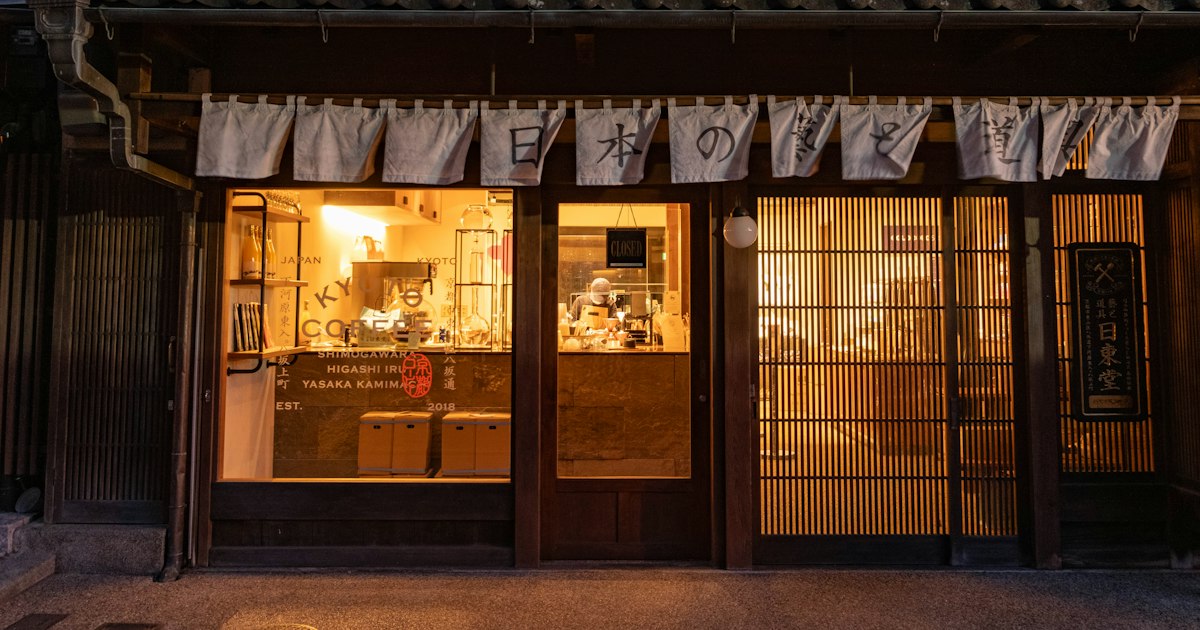
Photo by Viviana Nysaether on Unsplash
Walk through Kyoto Station or the lane up to Kiyomizu-dera and you’ll smell it before you see it: a warm, cinnamon-dusted shop stacked with thin triangular pastries and soft folded mochi. That’s yatsuhashi, Kyoto’s signature souvenir sweet, and it’s been made in roughly the same form for over a century. Here’s what it actually is, which version to buy, and where to get the good stuff instead of an airport-shelf afterthought.
What Is Yatsuhashi, Exactly?
Yatsuhashi is a rice-flour sweet flavored with cinnamon (and sometimes sugar and sesame), traditionally shaped like a thin fan or a bridge plank — the name literally means “eight bridges.” There are two completely different textures sold under this one name, and knowing the difference matters when you’re deciding what to buy:
- Baked yatsuhashi (yaki yatsuhashi): The original style — a hard, crisp, cinnamon-scented cracker, slightly curved like a roof tile. Closer to a cookie than a mochi. Shelf-stable for months.
- Raw yatsuhashi (nama yatsuhashi): The modern, far more popular version — a soft, chewy, uncooked mochi-like square folded into a triangle around a filling, usually sweet red bean (tsubuan), though matcha, chocolate, and fruit fillings are everywhere now. This is the one most visitors mean when they picture “yatsuhashi.”
If you only try one, go for nama yatsuhashi — it’s what locals actually eat as a daily sweet, and most shops offer free samples at the counter so you can taste before buying.
Where to Buy It in Kyoto
Yatsuhashi is sold everywhere in Kyoto, but quality and freshness vary a lot by location:
- Kyoto Station: The easiest stop — the basement and ground-floor souvenir corridors near the Hachijo and central exits stock multiple competing yatsuhashi brands side by side, which makes comparing flavors and prices simple if you’re short on time. Good for last-minute buying right before you board the Shinkansen home, especially if you’ve just sorted out your Shinkansen ticket and have ten minutes to spare.
- Kiyomizu-dera approach (Matsubara-dori / Gojozaka): Several long-established yatsuhashi makers have shops along the slopes leading up to the temple, often with in-house tea rooms where you can sit down and try warm, freshly made nama yatsuhashi rather than the packaged version.
- Nishiki Market: A few stalls sell yatsuhashi alongside Kyoto’s other food specialties — convenient if you’re already doing a market walk, though selection is narrower than at a dedicated shop.
- Department store basements (depachika): Daimaru Kyoto and Takashimaya Kyoto both carry multiple yatsuhashi brands in their food halls, useful if you want air-conditioned comfort and gift-wrapping service.
Most of the historic yatsuhashi makers (several claim roots going back to the 1600s–1800s) run their own standalone shops around the city in addition to station counters — if you have time, visiting one directly usually gets you a wider flavor selection and fresher stock than the station kiosks.
Flavors and Fillings Worth Trying
Cinnamon is the classic and the one to try first — it’s a genuinely distinctive flavor you won’t find in most other Japanese sweets. Beyond that, common variations include:
- Tsubuan (sweet red bean): The standard nama yatsuhashi filling, not overly sweet.
- Matcha: Green tea-flavored dough, sometimes with white bean or matcha-cream filling.
- Kinako (roasted soybean flour): A nuttier, less sweet option.
- Chocolate, strawberry, and seasonal fruit fillings: Aimed more at tourists and younger buyers — fun to try but less representative of the traditional product.
Shops frequently sell mixed boxes with 4–6 flavors so you don’t have to commit to just one.
Prices and What to Expect
- Budget: Small boxes of 10–12 nama yatsuhashi pieces typically run about ¥600–800. Individually wrapped loose pieces at some counters cost even less if you just want a taste.
- Mid-range: Mixed-flavor gift boxes (20+ pieces, nicer packaging) run roughly ¥1,000–1,800 — the standard choice for bringing something back for coworkers or family.
- Splurge: Large assortment boxes from the oldest, most established makers, often including both baked and raw styles plus limited seasonal flavors, can run ¥2,500–4,000+ and come in more elaborate gift packaging.
Baked yatsuhashi is usually priced similarly to the raw version per box, but since it keeps far longer, it’s the better pick if you’re not flying home for another week or two.
Shelf Life: The One Thing to Get Right
This is where people make their biggest mistake. Nama yatsuhashi is unbaked and perishable — most packs are only good for about 10–14 days unopened, and shops will tell you the exact date on the box. If you buy it on day one of a two-week trip, it may spoil before you get home. Baked yatsuhashi, by contrast, is shelf-stable for months, closer to a cookie, and travels in a suitcase without any risk.
The simple rule: buy nama yatsuhashi near the end of your trip (ideally your last day or two in Kansai), and buy baked yatsuhashi anytime if you want a souvenir that’ll survive a long flight or sit in your bag for a while. If you’re combining Kyoto with other stops and worried about timing a late purchase against train schedules, it’s worth knowing that Japan’s Shinkansen transfer rules are more forgiving than people expect, so a quick extra stop at a shop before departure usually isn’t a disaster even if it eats into your buffer time.
Common Mistakes to Avoid
- Buying nama yatsuhashi too early in the trip — see above. Check the “best by” date printed on the box before buying.
- Assuming all yatsuhashi tastes the same — cinnamon intensity, dough thickness, and filling sweetness vary noticeably between makers. Sample before buying a big box if the shop offers tastings.
- Not asking about refrigeration — nama yatsuhashi doesn’t need refrigeration during a short trip, but keep it out of direct heat (don’t leave it in a hot car or in direct sun in your bag).
- Skipping the baked version entirely — travelers who only try the soft mochi style miss out on the older, crunchier original, which also happens to be the more practical souvenir to carry.
Yatsuhashi pairs naturally with Kyoto’s other grab-and-go sweets — if you’re building out a snack-shopping itinerary, it’s worth comparing it against mitarashi dango, another classic you’ll find at stalls and shrine approaches around the city, or rounding out your pantry souvenirs with something more savory like a good furikake rice seasoning for the folks back home who’d rather have something to cook with than something sweet.