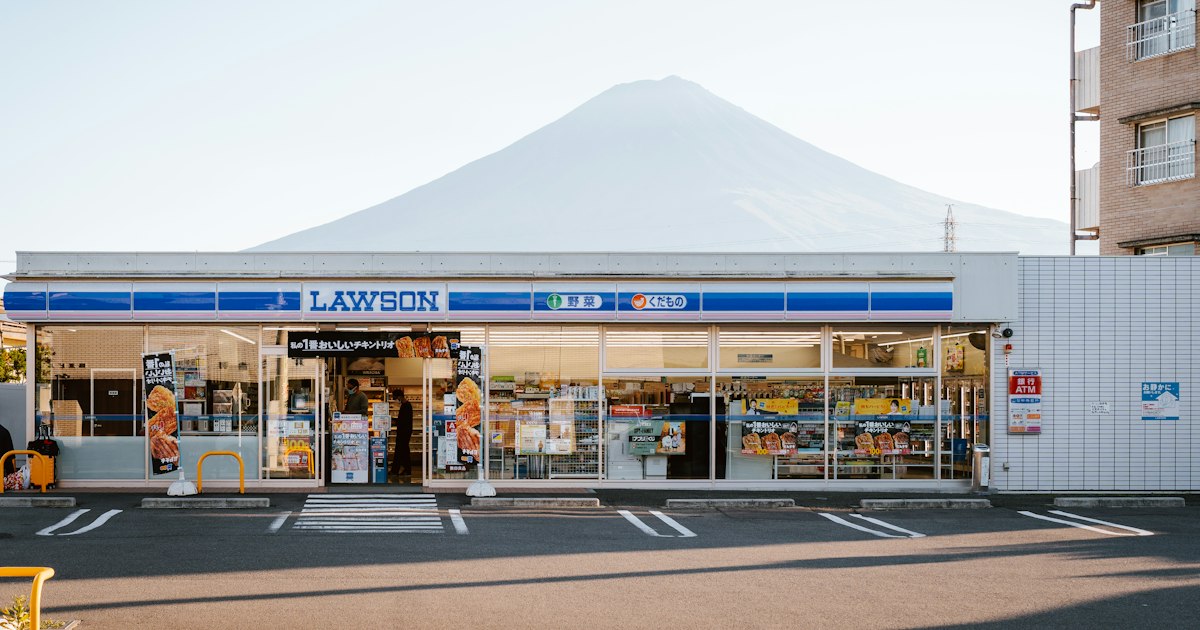
Somewhere between the onigiri rack and the magazine stand, every Japanese convenience store hides a freezer case packed with some of the country’s best-loved snacks. If you only try one thing from it, make it Garigari-kun — the blue-wrapped, soda-flavored ice bar with the grinning cartoon boy on the front. But Garigari-kun is really just the gateway into a much bigger world of konbini ice cream novelties, and this guide will help you shop that freezer case like a local.
What Makes Garigari-kun Japan’s Favorite Ice Bar
Garigari-kun (“gari-gari” mimics the crunchy sound of biting into shaved ice) has been made by Akagi Nyugyo since 1981, and it’s still the best-selling ice bar in Japan. The classic version is soda-flavored shaved ice on a stick, coated in a slightly chewy outer layer, for around ¥70–83 depending on the store and region. It’s deliberately a little messy and crunchy rather than smooth — part of the appeal is the texture.
What keeps it interesting for repeat visitors is Akagi’s habit of releasing bizarre limited flavors alongside the standard soda, cola, and grape versions. Corn potage soup flavor became a minor legend (it’s genuinely savory, not a joke), and the company has also done cola, ramune, “rich” custard pudding, and collaboration flavors tied to anime or other snack brands. These rotate every few weeks, so what’s in the freezer in April won’t be there in July. If you spot an odd flavor you’ve never heard of, that’s usually the point — buy it while it’s there, because it probably won’t be back.
Where to Find It and When to Go
You don’t need to hunt for Garigari-kun — it’s in the freezer case of almost every 7-Eleven, Lawson, and FamilyMart in the country, as well as supermarkets and drugstores. Convenience stores are open 24 hours (a shrinking number now close briefly overnight, but the vast majority still run around the clock), so there’s no real “opening hours” concern here. The freezer is usually near the checkout counter or along a side aisle, often with a sliding glass lid you lift to reach inside.
Summer (June–September) is when the selection is widest, since ice cream sales spike and brands push their biggest flavor lineups and biggest novelty collaborations during that window. Winter freezers are smaller but still stocked — plenty of Japanese people eat ice cream year-round, heated rooms and kotatsu included, so you won’t find the shelves empty in January.
Beyond Garigari-kun: Other Convenience Store Ice Cream Worth Trying
Once you’ve tried Garigari-kun, branch out. A few staples worth knowing by name:
- Pino (Morinaga) — bite-sized chocolate-coated vanilla ice cream balls, sold in a box of 6 for roughly ¥213. Great for sharing, and seasonal flavors (matcha, strawberry) show up often.
- Choco Monaka Jumbo (Lotte) — vanilla ice cream in a crisp wafer shell shaped like a taiyaki, around ¥140–160. One of the most texturally satisfying things in the whole freezer.
- Yukimi Daifuku (Lotte) — small mochi-wrapped vanilla ice cream pieces, a box of 6 for about ¥213. The closest thing to a traditional wagashi sweet in ice cream form.
- Mow (Morinaga) — a premium cup ice cream, richer and creamier than standard konbini brands, around ¥160–180 per cup.
- Häagen-Dazs Japan-exclusive minis — Japan gets flavors you won’t see elsewhere (hojicha, kinako mochi, black sesame), priced around ¥330–350 per small cup. This is the splurge end of the freezer.
If you’re also curious about other distinctly Japanese pantry staples to bring home, our guides to furikake rice seasoning and regional miso pastes cover the savory side of a Japanese grocery haul, in case the ice cream aisle leaves you wanting something salty to balance it out.
Budget, Mid-Range, and Splurge Picks
For a budget stop, Garigari-kun at ¥70–83 or a plain Lotte ice monaka bar in the same price range will fill the “I want something cold” urge without denting your travel budget. For mid-range, a box of Pino or Yukimi Daifuku (¥210–230) gives you six pieces to share with a travel companion, which works out cheaper per bite than buying singles. For a splurge, Häagen-Dazs minis or seasonal premium collaborations (sometimes ¥350–450) are worth it once or twice on a trip, especially for a flavor genuinely not sold in your home country.
Common Mistakes to Avoid
A few things trip up first-timers:
- Buying it and walking far before eating it. Japanese summers are humid, and a Garigari-kun will start dripping within a few minutes outside the freezer. Eat it near the store, or ask for a small bag if you need to carry it somewhere else.
- Expecting to eat inside the store. Most convenience stores don’t have seating, though some larger branches have a small standing counter near the window. Check for a trash bin near the entrance before you unwrap anything — not every store has one visible, and you shouldn’t carry wrappers out onto the street to discard elsewhere.
- Missing the small-change coin tray. Konbini purchases are fast and cashless-friendly (IC cards like Suica/Pasmo work at the register for nearly all of these), but if you’re paying cash, use the coin tray at the counter rather than handing coins directly to staff — it’s the local norm and speeds up the line behind you.
- Assuming a weird flavor will still be there next week. Limited flavors really are limited, often for a single month or even a single regional release. If a flavor looks unusual and you’re curious, don’t wait — it may be gone on your next convenience store stop.
- Skipping the freezer entirely because it looks like an afterthought. It’s tucked away, but for the price of a vending machine drink you get a genuine taste of Japanese snack culture that’s just as worth trying as a famous dessert shop.
None of this requires planning ahead — unlike booking a seasonal event or a reserved seat on the Shinkansen, the convenience store freezer is always just around the corner, open whenever curiosity strikes.