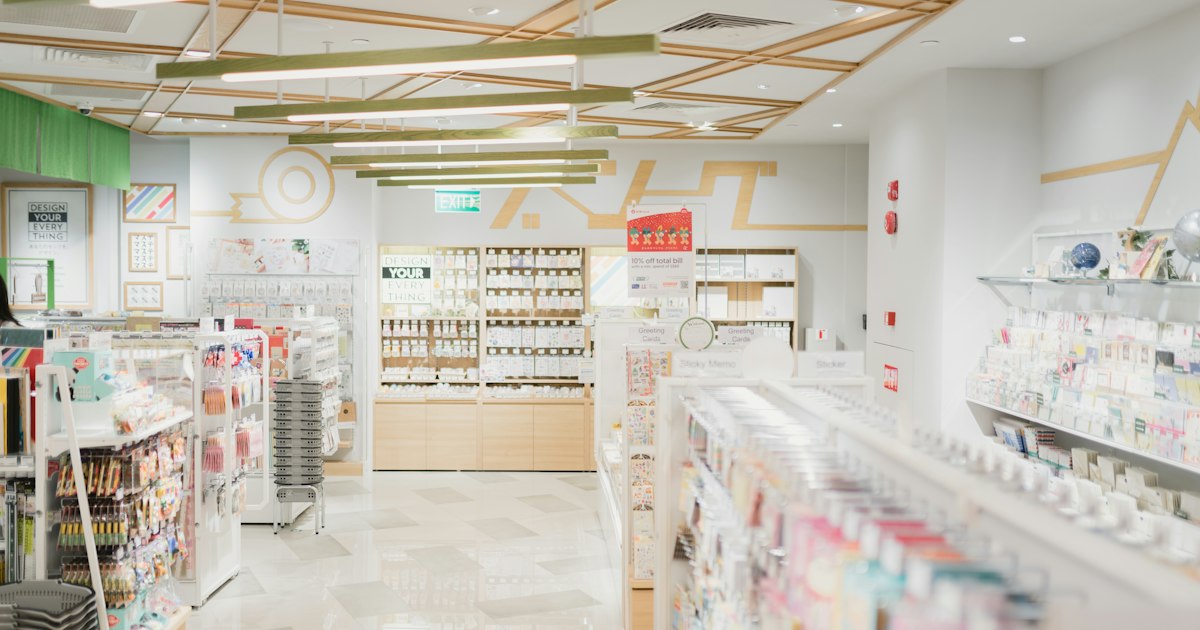
Photo by Nathaniel Yeo on Unsplash
Long before “J-beauty” became a global buzzword, two drugstore bottles were quietly building cult followings outside Japan: DHC Deep Cleansing Oil and Fancl Mild Cleansing Oil. Both promise the same magic trick — melting off waterproof mascara and full-face makeup with a dab of oil, then rinsing clean with no greasy residue — and both are cheap enough that first-time buyers often stock up on five or six bottles at once. If you’ve seen either name mentioned in beauty forums for over a decade, here’s what they actually are, how they differ, and where to buy them for the best price during your trip.
What makes cleansing oil different from a Western makeup remover
Japanese cleansing oils are “emulsifying” oils — unlike plain cleansing oils or coconut oil, they contain surfactants that let the oil turn milky and rinse away completely with water, instead of leaving a film you need a separate cleanser to remove. The pitch is a one-step routine: massage onto dry skin (not wet), emulsify with a little water, rinse. DHC popularized the format in Japan in the late 1980s with an olive-oil base; Fancl built its entire brand identity around “mutenka” (無添加) — no preservatives, fragrance, or mineral oil — which is why dermatologists and sensitive-skin shoppers often reach for Fancl first.
DHC Deep Cleansing Oil vs. Fancl Mild Cleansing Oil
They solve the same problem but suit different skin types:
- DHC Deep Cleansing Oil — olive oil-based, light herbal scent, very slippery texture that glides well over stubborn waterproof eye makeup. 70ml trial bottles run about ¥700-900; the standard 200ml bottle is roughly ¥1,800-2,200 at most drugstores. It’s the one most likely to be sold out at duty-free counters because tour groups buy it by the armful.
- Fancl Mild Cleansing Oil — fragrance-free, preservative-free, slightly lighter and less oily finish, marketed as gentler for acne-prone or sensitive skin. A 120ml bottle is typically ¥1,800-2,000, with smaller 60ml sizes around ¥1,000-1,200 for travelers who don’t want to check a bag full of liquids.
If you wear heavy, long-wear makeup or tinted sunscreen daily, DHC’s richer oil usually cuts through it faster. If you have rosacea, eczema, or just dislike scented products, Fancl is the safer first try.
Where to buy: budget, mid-range, and splurge options
Budget: Ordinary drugstores — Matsumoto Kiyoshi, Sundrug, Cocokara Fine, Welcia — stock both brands at list price and are the most convenient option since they’re on nearly every shopping street. Don Quijote also carries both and occasionally runs multi-bottle discounts, though its skincare aisle can be chaotic to browse.
Mid-range (best value): Airport duty-free shops and downtown tax-free counters (Bic Camera, Don Quijote’s tax-free floors) sell both in gift-boxed multipacks that work out cheaper per bottle than buying singles, and you skip the 10% consumption tax if you qualify as a tax-free-eligible visitor. This is the smartest place to buy if you’re committing to 4+ bottles to bring home as gifts.
Splurge / curated experience: DHC and Fancl both run their own branded stores in Tokyo (DHC has shops in Ginza and elsewhere; Fancl has standalone boutiques and counters in department stores like Odakyu or Isetan) where staff can test your skin type and recommend the matching cleansing oil plus a coordinated skincare line. For a wider side-by-side comparison against other Japanese brands before committing, the @cosme Store in Harajuku stocks both DHC and Fancl alongside dozens of competitors, ranked by actual customer reviews — genuinely useful if you’re deciding between five oil cleansers and only want to check a baggage allowance for one.
Best timing and shopping logistics
Most drugstores open around 9:00 or 10:00am and close between 9:00pm and midnight, so there’s no rush — unlike food shopping, cleansing oil doesn’t sell out by afternoon. The exception is duty-free counters inside department stores, which often close earlier (around 8:00-8:30pm) than the store itself. If you’re flying out of Narita or Haneda, both brands are available airside, but selection is narrower than in-town drugstores, so it’s safer to buy your preferred size before you reach the airport rather than count on finding it there.
Seasonally, there’s no real “best time” to buy — these aren’t seasonal products — but late-year and New Year’s shopping periods (late December into early January) sometimes bring limited-edition size sets or bonus travel pouches, similar to how many Japanese brands package gift sets around the New Year gift-giving season.
Common mistakes first-time buyers make
- Applying it to wet skin. Cleansing oil needs to go on completely dry skin and dry hands first — adding water too early stops it from binding to makeup and it won’t emulsify properly.
- Over-massaging sensitive eye areas. The oil is strong enough that a few light circles removes waterproof mascara; scrubbing is unnecessary and can irritate eyes.
- Packing full-size bottles in carry-on liquids. The standard 200ml DHC bottle and 120ml Fancl bottle both exceed many countries’ 100ml carry-on liquid limits — buy travel-size bottles for the return flight or pack full sizes in checked luggage.
- Assuming “cleansing oil” plus “cleansing oil” is redundant with your existing routine. These are designed to replace your makeup remover step, not your regular face wash — most users still follow up with a gentle foaming cleanser afterward, especially if wearing heavy makeup or SPF.
- Buying only one bottle “to try.” Both products have a shelf life of roughly 2-3 years unopened, so if you like the texture, there’s little downside to buying several at once while prices and tax-free eligibility are in your favor.
Quick buying checklist
- Oily skin or heavy waterproof makeup → DHC Deep Cleansing Oil
- Sensitive, acne-prone, or fragrance-averse skin → Fancl Mild Cleansing Oil
- Buying in bulk as gifts → duty-free multipacks at the airport or a tax-free department store counter
- Want to compare against other J-beauty brands first → browse the ranked shelves at @cosme Store in Harajuku
- Traveling with carry-on-only luggage → pick 60-70ml trial sizes, not the 200ml bottle
Either bottle makes an easy, lightweight souvenir that doesn’t need refrigeration or careful wrapping, and at under ¥2,500 a bottle, it’s one of the few beauty buys in Japan that genuinely feels like a bargain rather than a splurge.