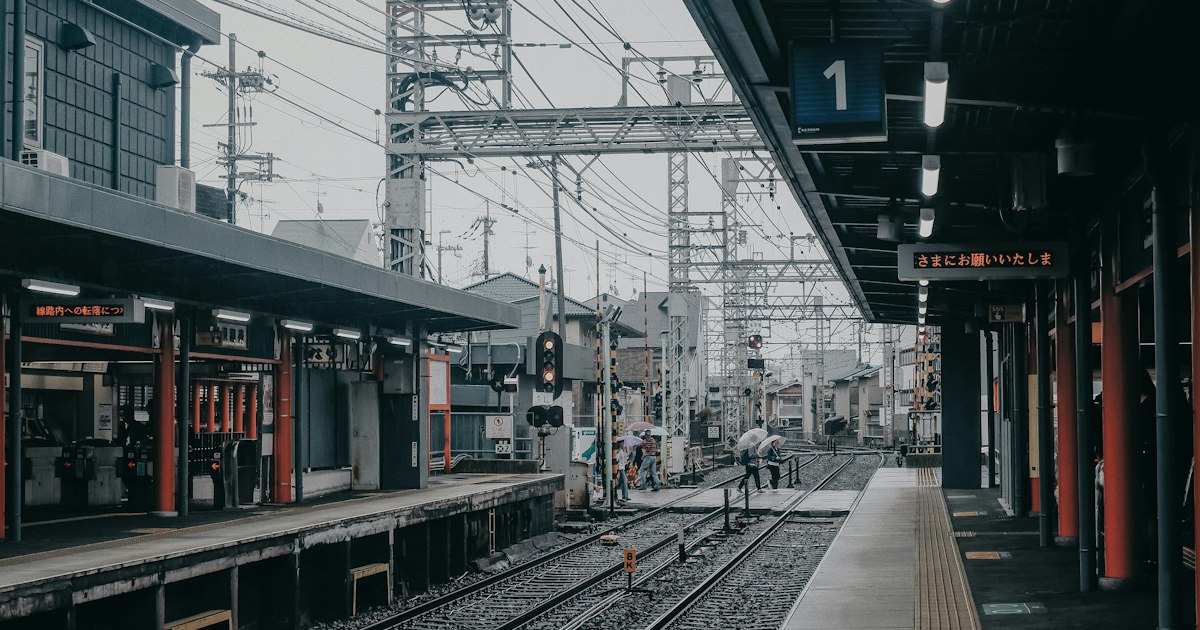
Photo by Samantha Hendrata on Unsplash
Tucked into the underground passages near Japan’s biggest train stations are small storefronts, often no bigger than a kiosk, lined with handwritten price boards and stacks of paper tickets. These are kakuyasu kippu-ya (格安きっぷ屋), literally “cut-rate ticket shops,” and they’ve been quietly saving commuters and savvy travelers money on trains, buses, and even gift cards for decades. They’re not a scam and they’re not the JR Pass counter — they’re a legitimate secondary market for tickets that other people bought and didn’t fully use. Here’s how the system works and how to use it without wasting a trip.
What Is a Kakuyasu Kippu-ya?
These shops buy unused or partially used tickets from the public — leftover commuter coupon books, unused return-trip Shinkansen tickets, gift certificates, and more — then resell them to anyone at a markup smaller than face value. The shop still turns a profit, the original owner recoups some cash instead of letting a ticket expire worthless, and the buyer pays less than the ticket window would charge. It’s essentially a legal pawn-shop model applied to transit tickets, and it has existed in Japan since well before reserved online booking made parts of it less necessary.
What they are not: scalpers for concert or sports tickets. Japan’s 2019 anti-scalping law makes resale of event tickets above face value illegal, so reputable kippu-ya stick to transport tickets, retail gift cards, and similar instruments rather than touching resale-restricted event seats.
What You Can Actually Buy There
The inventory varies day to day since it depends on what sellers bring in, but the recurring categories are:
- Kaisuken (回数券) fragments — Japanese commuter coupon books traditionally came in sets of 11 single-journey tickets sold for the price of 10. Shops buy up leftover books and sell the individual tickets, so you can pick up a single-fare ticket between two stations for roughly 10% less than the window price. This is the bread-and-butter item and the easiest win for a short city hop.
- Shinkansen tickets — unused return-trip halves or regional discount tickets, usually saving anywhere from a few hundred to around ¥1,000–1,500 off a one-way fare, depending on the route and how far in advance the original ticket was bought.
- Highway bus tickets and vouchers — less common since buses are already cheap, but occasional discount coupons turn up.
- Seishun 18 Kippu — JR’s unlimited local-train pass, historically sold by individual day-use. Note that JR has tightened the rules on this pass in recent years to curb exactly this kind of resale, so ask the shop directly whether single-day use is still available before planning a trip around it.
- Gift cards and vouchers — department store gift certificates, QUO cards, and sometimes amusement park or movie vouchers at a modest discount.
What you generally will not find: the foreigner-only Japan Rail Pass (it’s registered to your passport and non-transferable), reserved seat Shinkansen tickets for a specific future date you can rely on in stock, or IC card (Suica/Pasmo) top-ups — these are physical paper or magnetic tickets, not digital balances.
Where to Find Them: Tokyo, Osaka, and Beyond
Tokyo’s densest cluster is around Yurakucho Station, in and around the Kotsu Kaikan building and the underground shopping passages that connect toward Shimbashi and Ginza — a handful of competing shops sit within a few minutes’ walk of each other, which makes comparison shopping easy. Shinjuku and Ueno also have scattered shops near station exits.
In Osaka, look in the underground malls around Osaka/Umeda Station — Hankyu Sanbangai and the Diamor Osaka passage — and around Namba Station. If you’re already navigating Osaka’s downtown canals and bridges, it’s worth pairing a ticket-shop stop with a ride on the Osaka Suijo Bus water taxi, since both departure points cluster near the same central stations.
Nagoya, Kyoto, and other major cities have smaller equivalents near their main stations, though selection thins out the further you get from Tokyo and Osaka. If your itinerary leans toward regional day trips — say, out to Tomonoura in Hiroshima Prefecture or Chiran in Kagoshima — check the ticket shop near your base city’s main station before you leave, since local trains or bus-transfer tickets to these smaller towns occasionally show up discounted.
How to Shop: Hours, Cash, and Language
Most shops open around 9:30–10:00am and close between 7:00 and 8:00pm, and the ones near major stations are typically open daily, including weekends, with reduced hours or closures only around New Year’s. Cash is king — many of these small operators don’t accept credit cards, so bring yen in cash, especially coins and small bills since tickets are often priced in odd amounts like ¥1,480.
English signage is rare and staff may not speak much English, so write down your departure station, destination, and travel date on your phone or a slip of paper to show rather than relying on conversation. Prices are posted on boards inside or in the window, which makes it easy to browse without committing to anything.
Common Mistakes That Trip Up Travelers
- Assuming everything is discounted. Rare or hard-to-find tickets sometimes sell at or near face value — compare the posted price against what you’d pay at a station ticket machine before buying.
- Buying a date-fixed Shinkansen ticket without checking restrictions. Discounted tickets are often non-refundable and non-changeable, unlike a ticket you buy yourself at the window.
- Expecting IC card integration. These are paper tickets for manned gates or standard ticket-gate slots, not Suica/Pasmo top-ups.
- Confusing kippu-ya with event ticket resale. If a shop or website is offering concert, sports, or Tokyo Disney-style tickets at a markup, that’s a different and legally murkier category — steer clear.
- Visiting right before closing. Good kaisuken fragments and Shinkansen tickets move fast; shop early in the day if you want a specific route.
Budget, Mid-Range, and Splurge Picks
Budget travelers get the most reliable value from kaisuken fragments for short urban hops — a near-guaranteed 10% off single-fare city train tickets with almost no downside. Mid-range travelers doing one or two long-distance Shinkansen legs can save real money (often ¥500–1,500 per ticket) by checking the board before buying at the station, especially on popular routes like Tokyo–Osaka or Tokyo–Sendai. For a small splurge, department store gift certificates bought at a discount can offset souvenir shopping costs later in the trip — useful if your packing list includes something like Japanese laundry products or specialty snacks you plan to pick up at a department store basement food hall.
Best Timing for Discount Tickets
Stock isn’t seasonal in a strict sense, but two periods tend to bring in better inventory: right after New Year’s and Obon, when people who bought round-trip tickets for family visits sell back the unused return half, and around the Japanese fiscal year-end in March, when commuters switching jobs or moving sell off leftover kaisuken books. If your trip overlaps either window, it’s worth a five-minute detour to check the board even if you weren’t planning to buy a ticket that day. And if your itinerary includes long stretches of independent driving rather than rail — for example if you’re considering renting a campervan or RV for part of the trip — kippu-ya tickets are only useful for the rail and bus segments, so plan your savings around the legs you’ll actually be riding a train or bus.