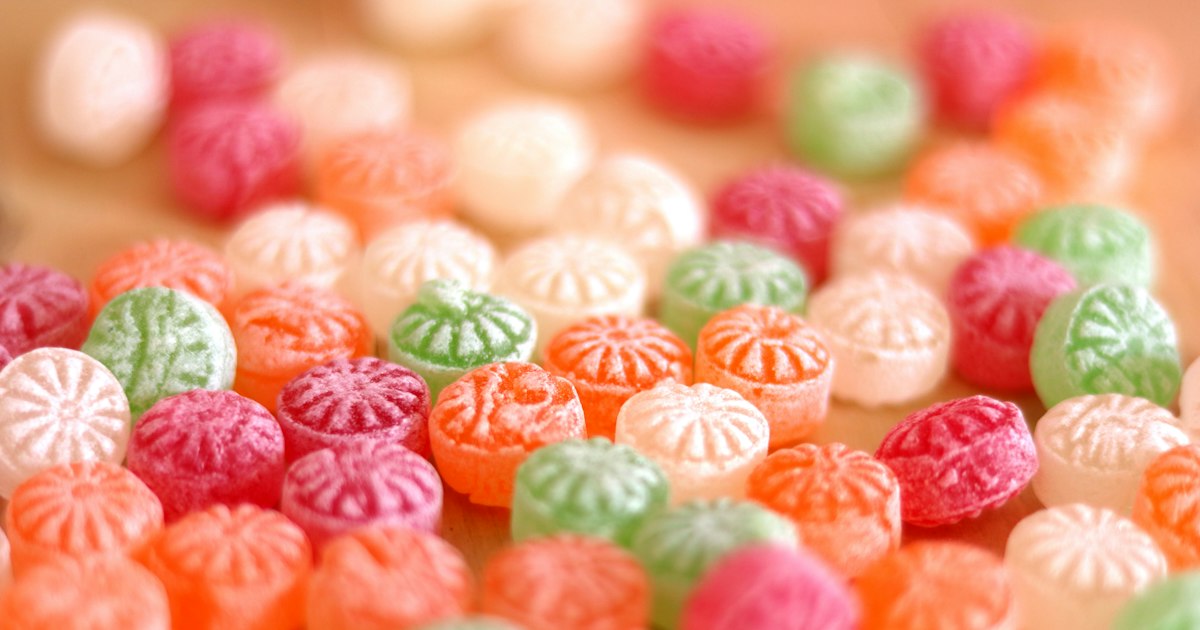
Photo by Customerbox on Unsplash
Walk through the wagashi counter of any Japanese department store and you’ll spot small, matte-dusted nuggets in shades of deep red, black, and ivory, sitting in trays or gift boxes labeled 甘納豆 (amanatto). They look understated next to flashier mochi and seasonal namagashi, but amanatto is one of Japan’s oldest confectionery traditions still made the slow, old-fashioned way — and it happens to be one of the easiest Japanese sweets to pack home, since it keeps for weeks without refrigeration.
What Is Amanatto, Exactly?
Amanatto is whole beans — most commonly azuki (red beans), but also kuromame (black soybeans), ingen mame (kidney beans), soramame (fava beans), and sometimes chestnuts or green peas — that have been slow-simmered in sugar syrup until they’re tender and saturated with sweetness, then dried and rolled in a fine coating of granulated or caster sugar. The name literally means “sweet natto,” though it has nothing to do with fermented soybean natto; the “natto” here refers to an older term for beans preserved in salt or sugar.
Texture-wise, think of a dried fruit more than a candy: each bean has a slightly chewy, jammy interior with a dry, crystalline sugar shell on the outside. It’s much less sticky than yokan or anko-based sweets, which is exactly why it travels so well in a suitcase.
How It’s Made (and Why It Takes Days)
What separates good amanatto from mediocre amanatto is patience. Beans are first boiled until soft, then soaked in sugar syrup and left to rest — the syrup concentration is raised gradually over two to five days so the sugar penetrates evenly without toughening the skins or causing the beans to collapse. After the final soak, the beans are drained, dried on screens for a day or more, and tumbled in sugar. Rushed, mass-produced versions skip steps and end up either too hard or unevenly sweet, which is the main quality difference you’ll taste between a ¥300 supermarket bag and a ¥2,000 artisan box.
Best Places to Buy Amanatto in Japan
- Department store basement food halls (depachika): Isetan Shinjuku, Takashimaya, and Daimaru all stock amanatto from multiple regional makers, usually in both loose trays (sold by weight) and pre-packed gift boxes. This is the easiest one-stop option if you’re also buying other wagashi souvenirs.
- Kyoto’s Nishiki Market: Several dried-goods and tsukemono stalls along the covered arcade sell amanatto by the bag alongside other preserved snacks, often at better prices than department stores. Worth a stop if you’re already walking the market for food photos and samples.
- Supermarkets: Chains like AEON and Life carry shelf-stable 150–250g bags year-round in the dried-snack or tea-snack aisle — the cheapest and most convenient option if you just want to try it rather than gift it.
- Convenience stores: 7-Eleven, Lawson, and FamilyMart stock small packaged amanatto seasonally, usually autumn through winter, near other traditional snacks. It’s the same aisle logic as grabbing a nikuman at the register in winter — convenience stores lean into seasonal, nostalgic snacks and amanatto fits that slot.
- Train station souvenir halls: Tokyo Station’s Gransta and Kyoto Station’s basement shops sell gift-boxed amanatto specifically packaged for omiyage, with individually wrapped portions that are easy to distribute to coworkers back home.
- Online: Amazon.co.jp and Rakuten both carry amanatto from regional makers if you want to order ahead or restock after your trip, though shipping sweets internationally can be hit-or-miss on customs rules depending on your home country.
Price Guide: Budget, Mid-Range, and Splurge
Amanatto scales well across budgets, which makes it a flexible souvenir choice:
- Budget (¥150–¥350): A small supermarket or convenience store bag, roughly 100–150g, usually a single bean variety like azuki or kuromame.
- Mid-range (¥500–¥1,200): A 200–300g bag or box from a depachika food hall, often a mixed assortment of three to five bean types.
- Splurge (¥1,500–¥4,000+): A gift box from a long-established Kyoto or Tokyo confectioner, individually wrapped pieces, premium chestnut or rare bean varieties, and nicer packaging meant for formal gift-giving.
If you’re building out a broader snack haul, amanatto pairs well with other regional specialties worth hunting down, like imo kenpi from Kochi — both are dry, shelf-stable, and easy to split into gift-sized bags once you’re home.
Best Season and Timing
Amanatto is sold year-round, but there are two timing sweet spots. Late autumn through winter (roughly November–February) brings chestnut and sweet potato varieties into stores, plus seasonal gift packaging ahead of the New Year, when boxed sweets are commonly exchanged. Around New Year specifically, kuromame (black soybean) amanatto sees a bump in visibility since black soybeans are also eaten plain as an osechi (New Year’s feast) dish symbolizing health, so stores stock extra. If you want the widest variety of bean types and the most gift-ready packaging, aim for a winter visit; a summer trip still gets you the standard azuki and mixed-bean bags everywhere.
Common Mistakes to Avoid
- Assuming it’s a light snack: Amanatto is pure sugar-coated bean — it’s genuinely sweet and rich. A small handful goes further than you’d expect; don’t buy a large bag thinking you’ll snack through it like trail mix.
- Confusing it with other bean sweets: Amanatto is often shelved near anko-based wagashi or yokan, which are soft, paste-like, and need refrigeration in summer. Amanatto, by contrast, is dry and shelf-stable — check the texture in the package photo before buying if you want one over the other.
- Not checking the ingredient list for allergens: Some commercial brands use a light coating of gelatin or add soy lecithin for texture; if you’re strictly vegan or have soy allergies beyond the bean itself, scan the label, as Japanese packaging for mainstream brands usually lists allergens in a small boxed section even without English.
- Buying loose bags for long-haul travel without resealing: Loose depachika and Nishiki Market bags aren’t always airtight. Transfer them into a zip-lock bag or your own container if you have more than a week of travel left, since humidity can make the sugar coating go sticky.
Amanatto rarely makes it onto first-time visitors’ must-try lists the way matcha sweets or mochi do, but it’s exactly the kind of low-key, well-made traditional snack that rewards a closer look — and unlike most fresh wagashi, it’ll actually survive the flight home.