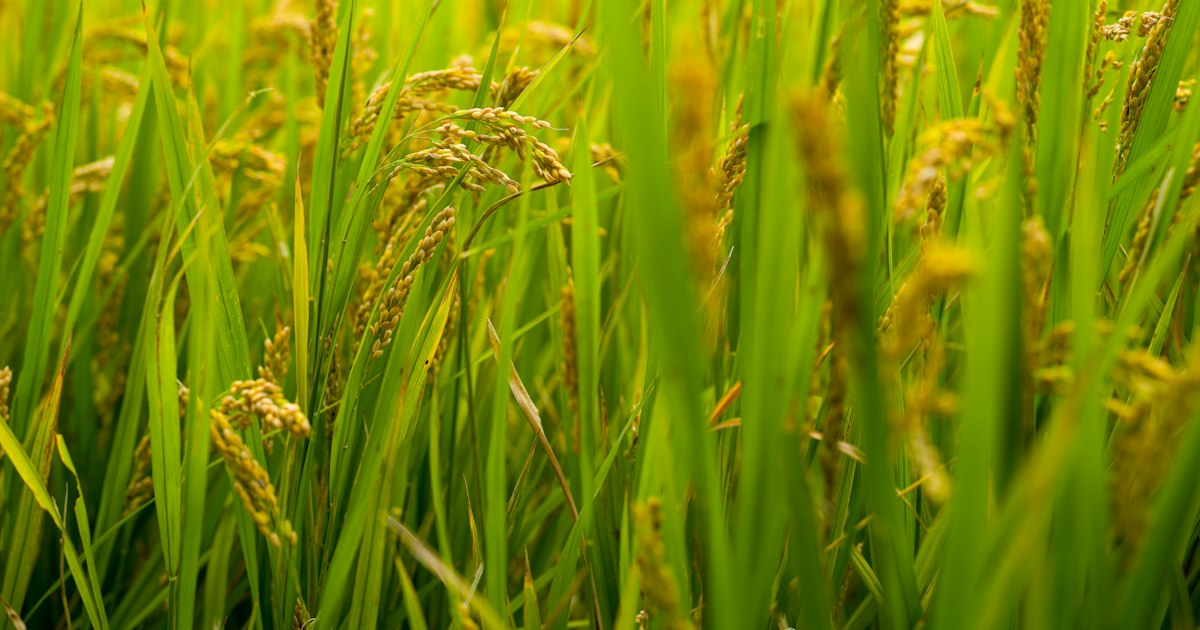
Photo by Declan Sun on Unsplash
Rice in Japan isn’t just a side dish — it’s a point of regional pride, a gift-giving tradition, and for many visitors, one of the most tempting souvenirs in the supermarket aisle. A vacuum-sealed bag of glossy Koshihikari looks nothing like the rice back home, and the price tags on the premium stuff can be eye-opening. But before you load your suitcase with rice, it helps to know what you’re actually buying, where to find the good stuff, and whether your home country will even let it through customs.
What Makes Koshihikari Japan’s Most Famous Rice
Koshihikari (コシヒカリ) has been Japan’s most widely grown rice variety for decades, prized for its slight sweetness, sticky texture, and glossy sheen once cooked. It was developed in Fukui Prefecture in the 1950s and now accounts for roughly a third of all rice grown nationwide. Not all Koshihikari is equal, though — the region matters enormously. Rice grown in the Uonuma area of Niigata Prefecture, where cool mountain water and big day-night temperature swings slow the grain’s maturation, is considered the gold standard and is sold under the protected label “Niigata Uonuma Koshihikari.” You’ll see this name printed prominently on packaging specifically because it commands a premium — look for it if you want the version Japanese shoppers consider the real deal, not just a generic bag with “Koshihikari” in small type.
Beyond Koshihikari: Other Varieties Worth Trying
If you only ever buy Koshihikari, you’ll miss some genuinely excellent rice. A few worth seeking out:
- Akitakomachi — from Akita Prefecture, slightly firmer than Koshihikari and a favorite for everyday eating.
- Hitomebore — grown widely in Miyagi and Tohoku, balanced flavor, very popular in home kitchens.
- Yumepirika — a Hokkaido variety bred for cold climates, notably sticky and sweet; pairs beautifully with the region’s seafood, as anyone who’s had Ishikari nabe can attest.
- Tsuyahime — from Yamagata, meaning “shining princess,” bred for sheen and sweetness.
- Sasanishiki — an older Miyagi variety with a lighter, drier texture, still beloved by sushi chefs for its ability to absorb vinegar without getting mushy.
Specialty rice shops often sell small comparison sets — three or four 300g bags of different varieties — specifically so you can taste the difference at home.
Where to Buy Rice in Japan
You have several options, each with trade-offs:
- Depachika (department store basements) — the food floors of stores like Isetan, Takashimaya, or Daimaru carry curated, often gift-boxed rice from named producers. Hours are typically 10:00–20:00, and staff can usually explain regional differences if you ask in simple English or point at the shelf tag.
- Supermarkets — the cheapest and most practical option for everyday brands, including the large regional chains inside AEON Mall locations, which usually stock a wall of rice bags ranging from 2kg to 10kg.
- Dedicated kome-ya (rice shops) — small, old-fashioned specialty shops found in neighborhoods and near train stations, usually open around 9:00–19:00 and closed Sundays or one weekday. These shops mill rice to order and sell small vacuum-sealed travel packs aimed at tourists and gift-givers.
- Airport souvenir shops — Narita, Haneda, and Kansai all sell shelf-stable 300g–1kg packs near the gates, convenient for last-minute purchases but priced at a markup over supermarket rates.
Reading the Package: Terms You’ll See
A few label terms are worth knowing before you buy:
- 精米 (seihai) / 白米 (hakumai) — milled, polished white rice, ready to cook.
- 玄米 (genmai) — brown rice, unmilled, with the bran layer intact.
- 無洗米 (musenmai) — pre-washed rice that doesn’t need rinsing before cooking, handy if you want one less step abroad.
- 新米 (shinmai) — “new crop” rice, harvested that same year. Japan’s rice harvest runs roughly August through October depending on region, with shinmai hitting shelves from late September through November. This is genuinely the best time to buy — the grain is fresher and noticeably more aromatic than rice that’s been sitting in a warehouse for months.
Price Guide: Budget to Splurge
Prices vary by retailer and year, but as a general guide:
- Budget: Generic or blended-brand Koshihikari, 2kg, roughly ¥1,200–1,800 at a regular supermarket.
- Mid-range: Named-producer Niigata or Akita rice, 2kg, around ¥2,000–3,000. This is the sweet spot for most souvenir buyers — real regional character without gift-box pricing.
- Splurge: Niigata Uonuma Koshihikari or limited-harvest gift boxes, 2kg, often ¥4,000–6,000, sometimes more for award-winning single-farm lots sold at depachika food halls.
- Travel-friendly souvenir packs: 300g vacuum bags, often sold in sets of two or three varieties, typically ¥500–900 per bag — the easiest way to bring home a sampler without adding much weight.
Customs Rules: Can You Actually Bring Rice Home?
This is the step people skip, and it’s the one that matters most. Many countries treat raw agricultural products, including rice, as a biosecurity risk, and rules vary sharply by destination:
- Some countries allow commercially packaged, sealed, milled white rice for personal use without issue.
- Others — Australia and New Zealand are notably strict — require all rice and grain products to be declared on arrival, and some forms may be refused entirely or sent for treatment.
- Brown rice (genmai), rice with any husk remaining, or anything that looks like it could carry insects or seeds is far more likely to raise a flag than clean, factory-sealed white rice.
Because these rules change and differ by country, check your own government’s customs or biosecurity website before you buy — don’t rely on what a shop clerk or a fellow traveler tells you. It’s a five-minute search that can save you from having a gift confiscated at the border.
Common Mistakes to Avoid
- Buying the biggest bag you see. Rice is heavy. A 5kg bag adds real weight to checked luggage, and both ANA and JAL charge for exceeding standard baggage allowances — worth reviewing excess baggage fees on ANA & JAL before you commit to souvenir-shopping for grain.
- Assuming “Koshihikari” on the label means premium. It’s a variety name, not a quality grade — generic blends use it too. Check for a specific production region and producer name if you want the good stuff.
- Forgetting you’ll need to actually cook it. If you don’t own a rice cooker at home, factor that in, or at least check how to steam rice properly on a stovetop so the trip home wasn’t wasted on rice that turns out mushy or gluey.
- Ignoring expiration realities. Rice doesn’t spoil the way fresh food does, but milled rice loses flavor and aroma within a few months, especially once opened. Vacuum-sealed bags hold up far better than rice scooped loose into a bag.
If you’re already building out a Japanese kitchen setup at home, rice pairs naturally with other traditional cooking tools — a ceramic oroshigane grater for fresh wasabi or daikon alongside your rice bowl rounds out the experience nicely. Buy smart, check your customs rules first, and that bag of Koshihikari can turn into one of the most genuinely useful souvenirs of the whole trip.