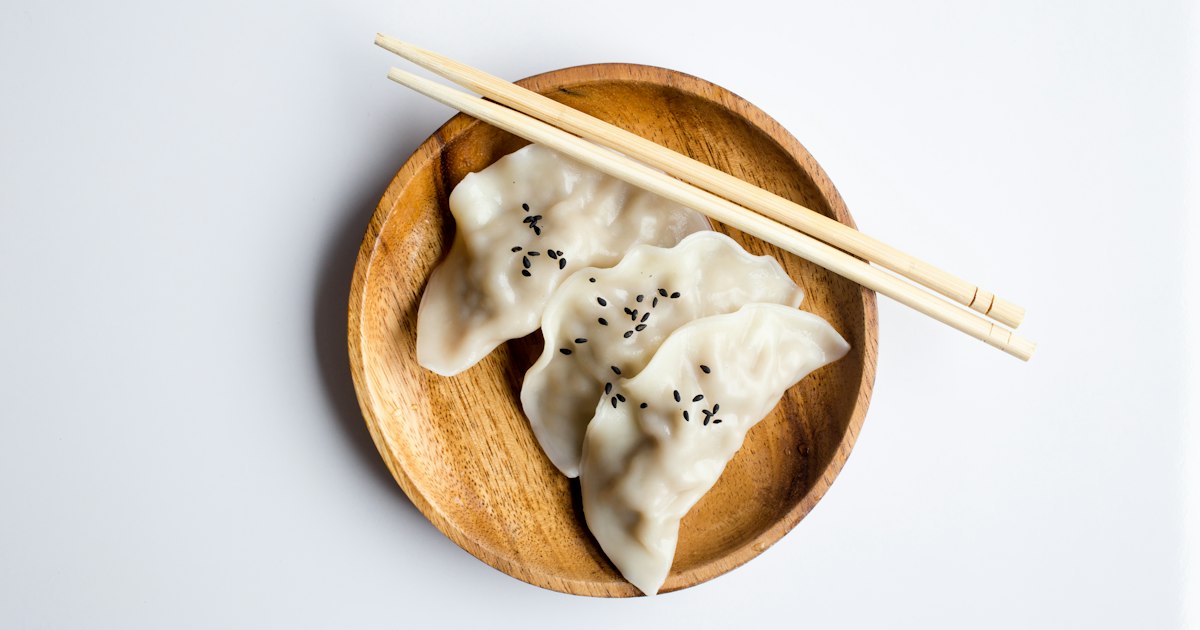
Photo by charlesdeluvio on Unsplash
If you’ve wandered past a restaurant with a red sign, a grinning cartoon panda-like mascot, and the smell of garlic and hot oil drifting onto the sidewalk, you’ve found Gyoza no Ohsho (餃子の王将). It’s one of Japan’s largest “machi chuka” chains — neighborhood diners serving Japanese-style Chinese food — and it’s exactly the kind of unglamorous, reliably good, dirt-cheap spot that locals eat at weekly and most tourists walk straight past. This guide covers what the chain actually is, how to order without fumbling, and which dishes are worth your yen.
What Is Gyoza no Ohsho?
Gyoza no Ohsho was founded in Kyoto in 1967 by Shozo Okada, and the company is still headquartered there, with a particularly dense cluster of branches around Kyoto and Osaka. The name translates roughly to “King of Gyoza,” and the chain built its reputation on pan-fried dumplings cooked fresh, in small batches, rather than frozen and reheated like at many fast-food competitors. Today there are several hundred locations nationwide, so while Kansai is its heartland, you’ll find branches near train stations, along suburban highways, and inside shopping complexes across the country.
It belongs to the same budget-chain-dining category as Saizeriya and CoCo Ichibanya — cheap, fast, no pretension, and genuinely popular with Japanese families, solo salarymen, and students, not just a tourist novelty.
Finding a Branch and When to Go
Ohsho branches are easy to find once you know the logo: a red background with a bold character design, usually with photos of gyoza and fried rice plastered in the window. Many locations are standalone roadside restaurants rather than mall food-court stalls, though you’ll also spot them near big suburban retail areas — the same kind of stretch where you might find an AEON Mall.
Most branches open around 11:00am for lunch and stay open well into the evening, with a good number running until midnight or 1:00am — handy if you’re out late and need something hot and cheap that isn’t a konbini rice ball. Hours vary by location (some close mid-afternoon between lunch and dinner service, others run straight through), so it’s worth a quick check of the specific branch before you walk over. Lunchtime (11:30am–1:30pm) is the busiest window, especially near office districts, where you’ll see salarymen queuing for the lunch teishoku sets. If you want a quiet meal with no wait, aim for mid-afternoon (2:00–5:00pm) or after 8:00pm.
How to Order
Ordering style varies slightly by branch. Older, smaller locations often still use paper order slips or a server who comes to take your order verbally; newer and renovated branches have tablet-style touch-panel ordering at the table. Either way, most menus have photos of every dish, so you can point even without reading Japanese. Picture menus are standard here, unlike some older ramen shops or izakaya, which makes Ohsho a relatively low-stress place to eat solo as a non-Japanese-speaking visitor.
Payment is typically at the register when you leave, not at the table. Cash is always accepted; most urban branches now take IC transit cards (Suica/Pasmo/ICOCA) and major credit cards, but smaller rural locations may still be cash-only, so carry some yen as backup.
What to Order: The Must-Try Dishes
The menu runs long — easily 60-plus items including ramen, rice bowls, and set meals — but a handful of dishes are what the chain is actually known for:
- Yaki gyoza (焼き餃子) — The signature dish. Thin-skinned, pan-fried pork dumplings with a crisp seared bottom, usually sold by the plate of five or six pieces. Dip in the vinegar-soy-chili oil combo on the table and mix it yourself; don’t just use soy sauce alone, which is a common rookie move.
- Suigyoza (水餃子) — Boiled dumplings, softer and more delicate than the fried version, served in a light broth at some branches. Worth ordering alongside the fried ones for comparison.
- Tenshinhan (天津飯) — A fluffy crab-and-egg omelet draped over rice with a sweet-savory vinegar sauce. One of the chain’s most ordered individual dishes and a good intro to “yoshoku-style Chinese” if you’ve never had it.
- Chahan (炒飯) — Fried rice, usually ordered as a side to gyoza rather than a meal on its own. Ohsho’s version is simple — egg, scallion, char siu — not loaded with extras.
- Karaage (唐揚げ) — Japanese-style fried chicken, a reliable crowd-pleaser if you’re eating with kids or picky eaters.
- Ebi chili (エビチリ) — Chili shrimp in a slightly sweet tomato-chili sauce, a step up from the everyday menu if you want something a bit richer.
If you only order one thing, make it the fried gyoza — it’s the dish the chain was built on, and the fry quality is noticeably better than frozen-dumpling competitors.
Budget, Mid-Range, and Splurge Options
This is a chain where “splurge” is relative — almost nothing on the menu exceeds about ¥1,200.
- Budget (around ¥500–700): A plate of gyoza (roughly ¥270–300 for six pieces) plus a bowl of plain rice or a small chahan. This is the classic solo-diner order.
- Mid-range (around ¥800–1,000): A lunch teishoku set — typically rice, soup, a main like tenshinhan or karaage, and 2–3 gyoza — bundled at a discount versus ordering items separately. Lunch sets are usually only available until mid-afternoon.
- Splurge (around ¥1,000–1,300): Order several a la carte dishes to share — gyoza, ebi chili, chahan, and a beer (around ¥400–500) — which is still cheaper than most casual sit-down dinners in central Tokyo.
Prices do vary somewhat by region and have crept up over the past couple of years along with everything else in Japan, so treat these as a general guide rather than an exact menu quote.
Common Mistakes to Avoid
- Assuming it’s upscale “Chinese cuisine.” It isn’t trying to be — this is Japanese comfort food with a Chinese-diner aesthetic, closer to a Japanese version of a British chip shop than a formal Chinese restaurant. Go in with the right expectations and it over-delivers.
- Skipping the dipping sauce mix. The small dish and condiments (vinegar, soy sauce, rayu chili oil) are meant to be combined yourself at the table, not used one at a time.
- Not checking the lunch-set cutoff time. If you arrive at 2:30pm hoping for the discounted teishoku, some branches will have already switched to the regular all-day menu.
- Expecting English-speaking staff. Ordering is easy thanks to photo menus, but don’t expect fluent English conversation — point, smile, and you’ll be fine.
Gyoza no Ohsho won’t be the fanciest meal of your trip, but it’s one of the most useful — fast, filling, cheap, and a genuine slice of everyday Japanese dining life rather than a tourist-facing recreation of it. Keep an eye out for that red sign on your next walk between sights, especially late in the evening when a hot plate of gyoza is exactly what a long day of sightseeing calls for.