Photo by Patrick Nguyen on Unsplash
If you’ve ever watched someone serve rice in Japan, you’ve seen a shamoji — the flat, paddle-shaped scoop used to fluff and portion cooked rice without crushing the grains. It looks simple, almost too simple to write a guide about, but the shamoji has a specific hometown, a surprising second life as a good-luck charm, and a whole category of novelty versions that make far better souvenirs than another keychain. Here’s what’s worth knowing before you buy one.
What Exactly Is a Shamoji?
A shamoji (しゃもじ) is a flat-bladed rice paddle, distinct from a shakushi, which is the deeper, spoon-like ladle used for soup and miso. Shamoji are traditionally carved from a single piece of wood — often hoonoki (magnolia) or keyaki (zelkova) — though bamboo and, more recently, heat-resistant resin versions are just as common in modern kitchens. The shape matters: the thin, slightly curved blade is designed to slide under rice and separate the grains without mashing them, which a regular spoon can’t do.
If you’re assembling a Japanese kitchen kit at home, a shamoji pairs naturally with other single-purpose Japanese tools like the rectangular tamagoyaki pan for omelettes or a tawashi scrub brush for cleaning it afterward — all three are humble objects that do one job extremely well.
Why Miyajima Is Ground Zero for Shamoji
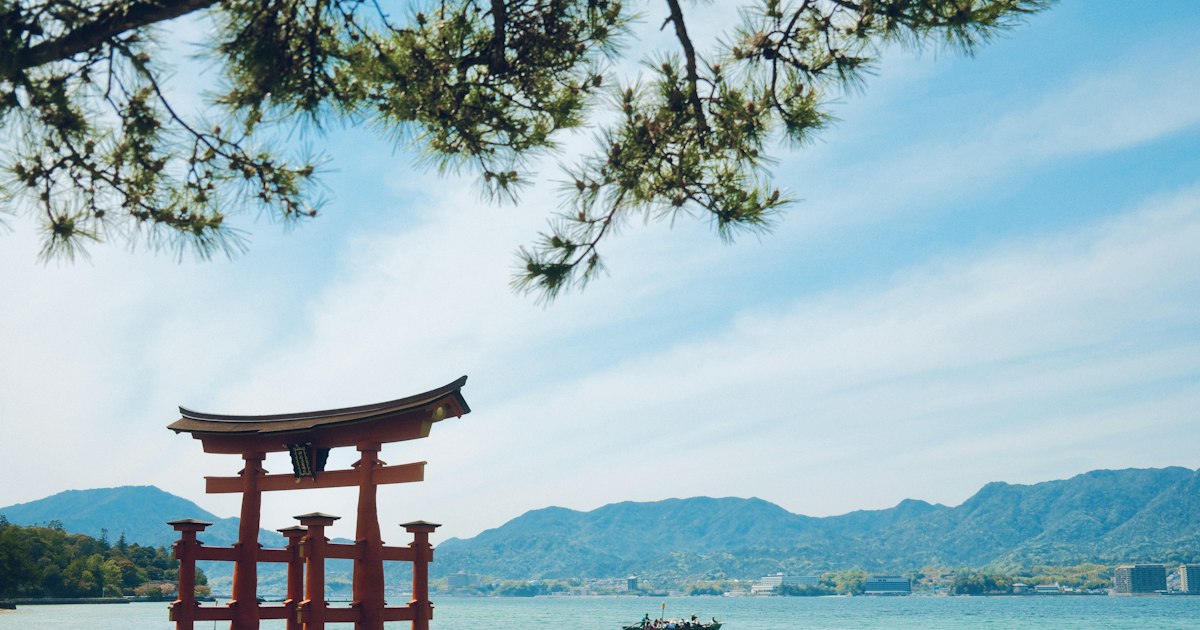
The shamoji as most Japanese people know it today was popularized on Miyajima, the small island near Hiroshima famous for the floating torii gate of Itsukushima Shrine. According to local history, a Buddhist monk named Seishin, living on the island in the late 1700s, dreamed of the goddess Benzaiten holding a biwa (a lute-like instrument) and used its shape as inspiration for a wooden rice paddle, which he then taught islanders to carve as a livelihood. Hiroshima Prefecture has produced the majority of Japan’s shamoji ever since, and Miyajima leans into the identity hard — you’ll see shamoji-shaped souvenirs, shop signs, and decorations all over the main shopping street.
There’s a second, uniquely Japanese layer to this: because “shamoji” sounds close to meshitoru, meaning “to scoop up” or “to take,” the paddle became a good-luck charm for winning — used in election campaigns (supporters present candidates with giant inscribed shamoji) and, most visibly, as a cheering tool for the Hiroshima Toyo Carp baseball team, whose fans clap oversized plastic shamoji together in the stands at Mazda Stadium instead of using standard noisemakers.
Visiting Miyajima’s Shamoji Shops
To get to Miyajima, take the JR Sanyo Line from Hiroshima Station to Miyajimaguchi (about 25 minutes), then the JR ferry to the island (about 10 minutes, covered by the Japan Rail Pass). From the ferry terminal, it’s a short walk to Omotesando shopping street, where several generations-old shops sell hand-carved shamoji alongside the local maple-leaf momiji manjuu sweets.
Look for the Miyajima Zaiku Denshokan (Miyajima Woodcraft Experimental Hall), a small museum-workshop near the shrine where you can watch craftsmen carve shamoji by hand and sometimes try carving one yourself; it’s typically open 9:00 to 16:00 and closed on irregular weekdays, so check locally when you arrive rather than planning around it as a certainty. Near the ferry terminal, you’ll also find the “world’s largest shamoji” — a roughly 7.7-meter, 2.5-ton zelkova paddle that’s become a popular photo stop, not for sale but worth the two minutes it takes to see.
Best timing: spring (cherry blossoms) and autumn (maple season, tied into the momiji theme of the shamoji shops) are the most atmospheric, but also the most crowded — Miyajima is a day-trip staple for Hiroshima visitors heading to or from the Peace Memorial Park. Check tide tables before you go if you also want to see the torii gate at low tide, since that’s unrelated to shopping hours but affects how you’ll spend the rest of the day.
Novelty Shamoji Worth Buying
Beyond the plain wooden paddle, a few novelty versions are genuinely worth the suitcase space:
- Momiji (maple leaf) shamoji — small, leaf-shaped paddles sold on Miyajima, roughly ¥500–¥1,500, that double as a letter opener or display piece.
- Victory/good-luck charm shamoji — miniature inscribed shamoji sold as omamori near Itsukushima Shrine, usually ¥500–¥800, playing on the “scoop up victory” pun — popular with students before exams or anyone before a big event.
- Hiroshima Carp cheering shamoji — the oversized red plastic clappers fans use at games, sold at Mazda Stadium’s team shops and some Hiroshima souvenir counters, usually under ¥1,000; a loud, unmistakable souvenir even if you never attend a game.
- Character shamoji — Hello Kitty, Rilakkuma, and similar character-branded paddles at Tokyu Hands or Loft, generally ¥500–¥1,000, aimed at gift-buying rather than serious cooking.
- Takeya “Sui” resin shamoji — a dimpled, non-stick modern design (not from Hiroshima, but widely sold nationwide) that keeps rice from sticking without needing to wet the paddle first, around ¥500–¥800.
Budget, Mid-Range, and Splurge Picks
At the budget end, a plain plastic shamoji from Daiso or another 100-yen shop runs ¥110–¥220 and does the job fine for daily use, though it won’t survive high heat as well as resin or wood. Mid-range buyers should look at the Takeya Sui line or a basic Miyajima-carved wooden shamoji, both in the ¥500–¥2,000 range — this is where most visitors should land, since it’s functional, attractive, and genuinely made with some craft. For a splurge, hand-carved keyaki or hoonoki shamoji with lacquer finishing or custom engraving from an established Miyajima workshop can run ¥3,000–¥8,000; these are meant as display or gift pieces as much as kitchen tools, and some shops will add a name or message while you wait.
Common Mistakes to Avoid
Don’t confuse a shamoji with a shakushi (soup ladle) when shopping — they’re shelved near each other and look similar in photos but serve different dishes entirely. If you buy an unfinished wooden shamoji, dip it in water before scooping rice; skipping this step, not wetting it, is the actual mistake, since a dry wooden paddle grabs and tears the rice instead of releasing it cleanly. Never put a wooden or lacquered shamoji in the dishwasher — the heat and prolonged soaking warp and crack the wood over a few cycles, so hand-wash and air-dry instead. And if you’re buying a metal rice scoop because it looks more durable, skip it: metal scratches the non-stick coating inside a Japanese rice cooker’s inner pot, which is exactly why wood, bamboo, and resin became the standard materials.
Bringing One Home
A wooden or resin shamoji packs flat and weighs almost nothing, making it one of the easiest Japanese kitchen souvenirs to bring home in a carry-on. If you’re also shopping for other traditional household items with a similar handmade, everyday-object charm, Japan has a surprisingly deep catalog of them — from the cypress wood bath goods sold in craft towns to the kakeibo household ledger still used in many Japanese homes. A shamoji is a small purchase, but it’s a genuinely used one — not a shelf ornament — and that’s what makes it worth the detour to Miyajima or the five minutes at Kappabashi before you fly home.