Photo by Nichika Sakurai on Unsplash
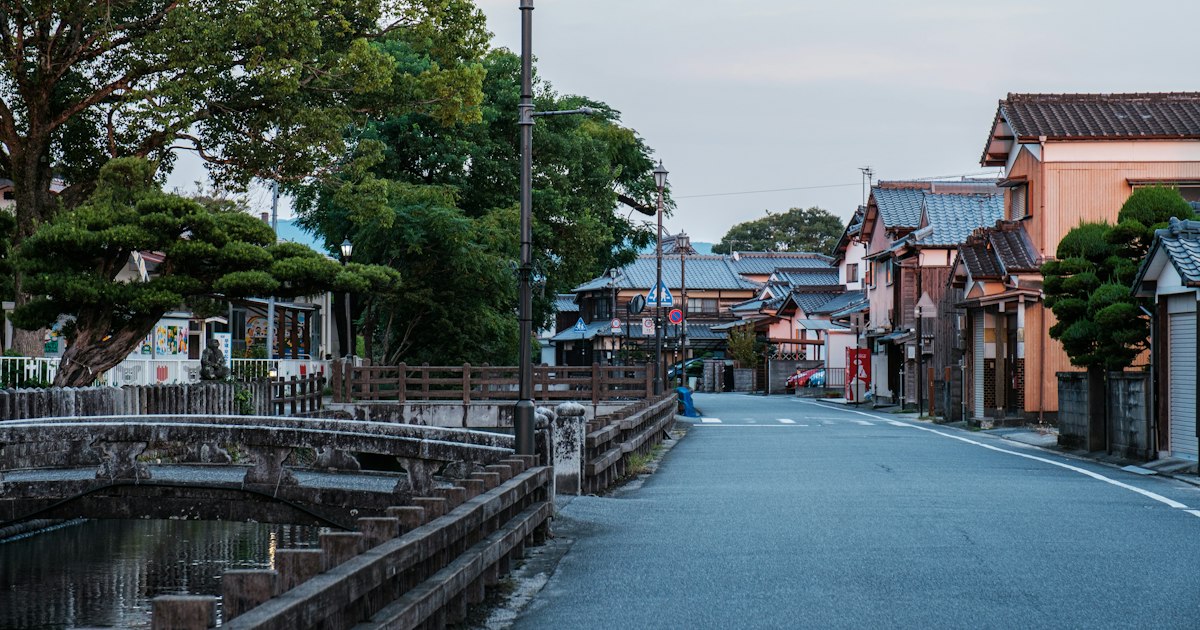
Less than an hour from Narita Airport sits a canal town that looks like it slipped out of the 1800s. Sawara (佐原), a historic district within Katori City in Chiba Prefecture, earned the nickname “Little Edo” (Sho-Edo) because its merchant houses, rice warehouses, and willow-draped canal once made it one of the wealthiest trading ports feeding Edo-era Tokyo. Today it’s a half-day or full-day trip that pairs easily with a Narita Airport layover or a visit to Narita-san Shinsho-ji Temple, and the boat rides along the Onogawa River canal are the main draw for most visitors.
Why Sawara Is Worth the Detour
Sawara grew rich shipping rice, sake, and soy sauce down the Onogawa River to Edo, and the old merchant quarter along the canal survived both the 1923 Great Kanto Earthquake and WWII bombing largely intact. The result is a few blocks of Meiji- and Taisho-era wooden storefronts, black-tiled warehouses, and stone bridges that feel genuinely lived-in rather than reconstructed for tourists — shops still sell soy sauce, sake, and sweets from buildings over a century old. It’s a much quieter, more low-key alternative to Kawagoe (the more famous “Little Edo” near Tokyo), with none of the crowds and a fraction of the foot traffic.
Getting There from Tokyo or Narita Airport
From Tokyo, take the JR Narita Line from Tokyo Station or Chiba Station to Sawara Station; the trip takes roughly 80–90 minutes from central Tokyo and costs around 1,500–1,800 yen one way depending on your starting point. From Narita Airport, it’s much faster: the JR Narita Line connects Narita Station to Sawara Station in about 15–20 minutes for roughly 330 yen, making Sawara an easy add-on before a flight or as a first/last stop on a trip. If you’re arriving on an international flight and wondering about transit logistics before or after your trip, it’s worth checking the rules on airport transit and layover visas if Narita is just a stopover for you.
From Sawara Station, it’s about a 15-minute walk to the canal district (Jukkenbashi area), or a short taxi ride for around 700–800 yen if you’d rather save your legs for the town itself.
The Boat Rides: What to Expect and What They Cost
The signature experience is a traditional flat-bottomed boat ride (sappa-bune) along the Onogawa canal, poled by a boatman in the same style used for cargo transport a century ago. Rides run roughly 30 minutes and cost about 1,300–1,500 yen per adult (children are typically half price), with boats departing from a couple of docks along the canal — look for the boarding points near Jukkenbashi Bridge and Chukyobashi Bridge. Boats generally operate from around 10:00 AM to 4:00 PM, with departures roughly every 15–30 minutes depending on demand and weather, though exact schedules shift seasonally and in bad weather, so it’s worth confirming current times once you arrive rather than planning around a fixed timetable. No advance reservation is normally needed outside peak festival weekends — you simply buy a ticket at the dock and wait for the next boat.
The ride itself is unhurried: the boatman narrates in Japanese (don’t expect English commentary at most docks), pointing out the old warehouses, the willow trees that line the banks, and the low stone bridges you’ll duck under. It’s less about spectacle and more about the slow, quiet pace — a nice contrast if your itinerary has otherwise been all trains and crowds.
Best Time to Visit
Spring (late March–April) is the most popular season because the canal’s rows of cherry trees bloom alongside the willows, and the Sawara Grand Festival (held in July and again in October) draws large crowds for its elaborate illuminated floats — book accommodation well ahead if your dates overlap with either festival. For a quieter visit with good weather, aim for autumn (October–November) or late spring (May–early June) on a weekday. Summer is hot and humid with little shade along the canal, and winter boat operations can be curtailed in poor weather, so shoulder seasons offer the best balance of comfort and open attractions.
What Else to Do in the Old Town
- Inoh Tadataka Museum — dedicated to Sawara’s most famous son, the Edo-period surveyor who produced Japan’s first accurately measured map of the country on foot. Modest admission (around 500 yen) and a good rainy-day option.
- Sake and soy sauce breweries — several working breweries along the canal offer tastings and small shops selling bottles you can’t easily find elsewhere. If you want to go deeper on Japan’s sake traditions beyond the filtered bottles sold in breweries, the regional, unfiltered style covered in our guide to doburoku is worth reading before you go, since some rural breweries in this part of Chiba produce small-batch unfiltered sake that rarely leaves the prefecture.
- Katori Jingu Shrine — one of the most historically significant Shinto shrines in eastern Japan, about a 20-minute bus ride or 30-minute walk from the canal district. Worth the detour if you have a full day rather than a quick stopover.
- Old merchant houses — several, including the Inoh residence and a handful of preserved storefronts, are free to view from outside and some have interiors open to the public for a small fee.
Budget, Mid-Range, and Splurge Options
Budget: A round-trip from Narita Airport (about 660 yen), a boat ride (1,300–1,500 yen), and a snack from a canal-side stall can keep your spend under 3,000 yen for a satisfying half-day visit.
Mid-range: Add a sit-down lunch at one of the old-town soba or unagi (eel) restaurants, which Sawara is locally known for, plus a sake-tasting flight at a brewery — expect 4,000–6,000 yen total for the day.
Splurge: Stay overnight at a small ryokan in or near the old town to catch the canal lit up in the evening (far fewer tourists, a very different atmosphere), and combine your visit with Katori Jingu Shrine and a sake brewery tour. This easily turns Sawara into a relaxed two-day trip rather than a rushed stopover.
Common Mistakes to Avoid
- Treating it as a quick 1-hour stop. The old town is compact, but between the boat ride, browsing shops, and a meal, 3–4 hours is a more realistic minimum to not feel rushed.
- Assuming boats run on a fixed schedule like a train. Departures depend on demand and tide/water levels in the canal; if you have a flight to catch, build in buffer time rather than cutting it close.
- Visiting on a Monday without checking hours. Some museums and smaller shops in the old town close on Mondays (or the following day after a public holiday), so check ahead if a specific sight is your main reason for coming.
- Skipping cash. Boat ticket counters and many small shops in the old town are cash-only or cash-preferred; carry enough yen rather than relying on cards.
Sawara rewards visitors who slow down to match its pace — the canal, the boats, and the old storefronts aren’t trying to impress you quickly, which is exactly what makes it a refreshing contrast to a Tokyo-heavy itinerary. Pair it with Narita-san Temple or an airport layover and you’ve got an easy, low-stress day that feels far removed from the city despite being so close to it.