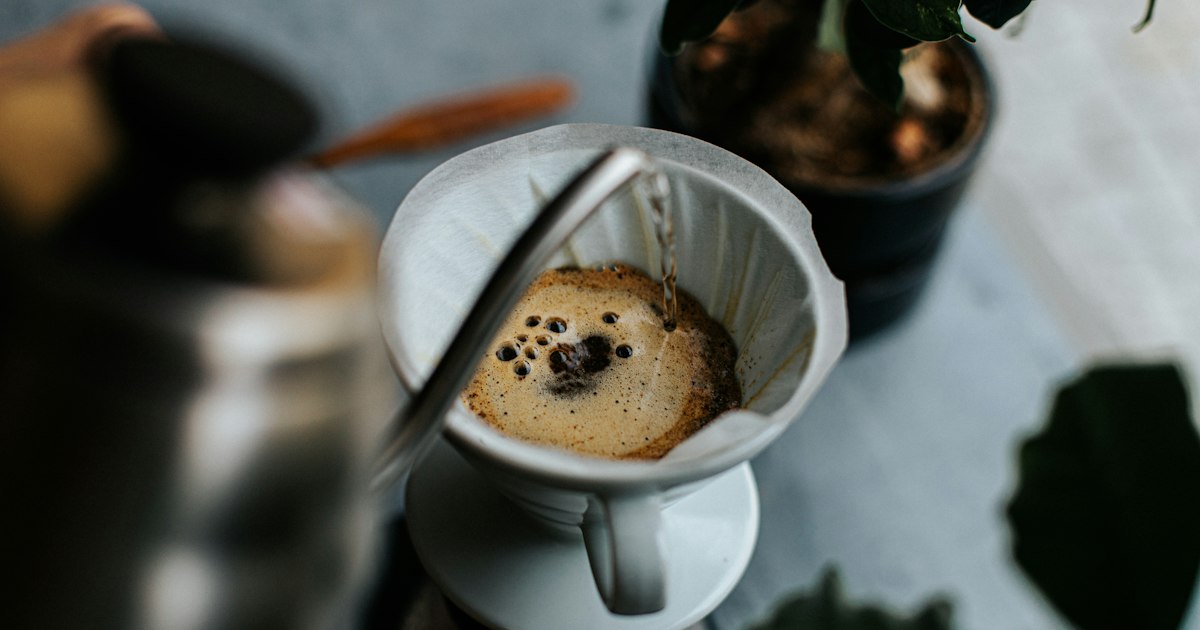
Photo by Szymon Satora on Unsplash
If you’ve spent any time in a specialty coffee shop anywhere in the world, you’ve probably used a Hario product without realizing it. That cone-shaped dripper with the spiral ribs, the one baristas reach for when they want to slow-pour a single cup by hand — that’s the V60, and it’s made by a Japanese glassware company that’s been quietly shaping how the world brews coffee since the 1920s. For visitors, Hario is one of the easiest “useful souvenir” categories in Japan: it’s light, it packs well, it’s genuinely better value here than abroad, and it solves the eternal problem of what to bring home for the coffee-obsessed friend who already has everything.
What Hario Actually Makes (It’s Not Just the V60)
Hario started in 1921 as a maker of heat-resistant glass for scientific instruments — the company name is short for “HARIO: HeatResistant ARIO glass.” That lab-glass heritage is why their kitchenware still feels slightly like equipment: thin-walled, precise, built to handle direct heat and rapid temperature swings without cracking. The product range worth knowing about:
- V60 ceramic or glass dripper — the spiral-ridge cone dripper, sold in sizes 01 (1-2 cups) and 02 (1-4 cups). Ceramic retains heat better; glass is lighter for packing.
- Mizudashi cold brew pots — glass carafes with a removable mesh filter basket, 600ml–1000ml, for overnight fridge cold brew.
- Yukihira-style and double-walled glass teapots — direct-heat glass pots you can put straight on a stove flame.
- Syphon coffee makers — the theatrical vacuum-brew sets with the glass bulb and cloth filter, a Japanese kissaten (old-school coffee shop) staple.
- V60 paper filters — unbleached or bleached, sold in packs of 40 or 100, worth stocking up on since they’re the one consumable here.
Current Prices in Japan (and Why They’re Lower Than at Home)
Because Hario is manufactured domestically and sold through a dense retail network, Japan prices run noticeably below US or European retail, where the brand carries an imported-specialty markup. Rough current retail figures you’ll see in Tokyo stores:
- V60 glass dripper (02, 1-4 cups): ¥1,800–¥2,400
- V60 ceramic dripper: ¥2,200–¥3,300
- V60 paper filters (100 pack): ¥500–¥700
- Mizudashi cold brew pot (600ml): ¥2,000–¥2,800
- Glass server/carafe (dedicated V60 pot, 600ml): ¥1,500–¥2,200
- Syphon set (2-cup): ¥6,000–¥9,000
Overseas, the same V60 ceramic dripper routinely sells for the equivalent of ¥4,000–¥5,000, so a full dripper-plus-server-plus-filters kit bought in Japan can save you 30-40% versus buying it at home — easily enough to justify the extra suitcase padding.
Where to Buy in Tokyo
Budget / convenience: Don Quijote and large Tokyu Hands or Loft branches stock the standard V60 glass dripper and filters at near-factory prices, and they’re everywhere, open late (often until 9pm or later), and don’t require a special trip.
Mid-range, best selection: Kappabashi-dori in Asakusa — Tokyo’s famous kitchenware wholesale street — has multiple shops carrying the full Hario catalog including syphons and harder-to-find glassware, often at prices close to the outlet. It’s a 5-minute walk from Tawaramachi Station on the Ginza Line, and most shops open around 9:30am–5:30pm, closed some Sundays, so go on a weekday morning if you want every shop open. This is also a logical stop if you’re the kind of traveler who likes browsing specialty kitchen tools — the same instinct that’d take you to the guide on buying a Japanese kitchen scale and measuring cups calibrated for rice and dashi, since Kappabashi shops sell both side by side.
Splurge / gift-worthy: Hario has a flagship-style concept shop and showroom presence in department stores like Isetan Shinjuku and Tokyu Hands flagship branches, where you’ll find limited-color V60 drippers, boxed gift sets, and seasonal collaborations not sold at discount retailers. Expect to pay 10-20% over Kappabashi prices for the presentation and gift box, which matters if this is a present rather than a kitchen tool for yourself.
The Factory Outlet Shop in Chiba
Hario’s actual factory and headquarters are in Sumida-ku, Tokyo, but their best-known direct-sales point for travelers is less about a single outlet store and more about checking department store and outlet mall directories before a dedicated trip — Hario doesn’t run a large public factory-outlet complex the way some kitchenware brands do. If you’re already near a Mitsui Outlet Park or similar outlet mall during your trip, it’s worth a quick look at the directory, but don’t build an entire day around chasing a Hario factory outlet the way you might for, say, a confectionery brand’s direct-sale shop — the closer analogy in savings terms is something like the Nagasaki Castella factory outlet comparison, where going direct genuinely changes the price — Hario’s savings come more from buying in Japan generally than from finding one specific outlet door.
Best Season and Timing to Shop
There’s no strong seasonal pricing swing on Hario glassware — unlike seasonal goods, it doesn’t go on clearance by month. That said, two timing notes matter:
- New Year and early autumn bring limited-edition colorways and gift sets to department stores, which is good timing if you want something you can’t get elsewhere, but these carry a premium, not a discount.
- Avoid shopping on your last day if you’re buying glass — you want time to wrap items properly in your packing, and Kappabashi shops are far more generous with bubble wrap and boxing than a convenience store will be.
Common Mistakes to Avoid
- Buying the dripper without checking the server fits. V60 size 01 and 02 drippers sit on different server sizes — a 02 dripper will wobble or not seat properly on a 01 server. Buy them as a matched set, or confirm compatibility before paying.
- Skipping filters. V60 filters are a specific fan shape, not interchangeable with flat-bottom dripper filters (like Kalita Wave). Grab at least one pack in Japan since it’s the cheapest, lightest thing to stock up on.
- Not padding glass for the flight. Hario glass is thin by design — pack drippers and servers in the center of your suitcase wrapped in clothing, not in a side pocket, and definitely not in carry-on if you’re also carrying liquids through security.
- Assuming all shops carry everything. Convenience retailers stock only the 2-3 bestselling items. If you want a syphon set or a specific cold-brew pot size, Kappapashi or a department store flagship is the safer bet than a general store.
A Practical Shopping Combo
Asakusa rewards a half-day visit: Kappabashi-dori for Hario and other kitchen gear in the morning, then temple sightseeing nearby in the afternoon. If you’re mapping out a broader Tokyo kitchenware-and-souvenir day, pair it with convenience-store logistics — know your convenience store ATM withdrawal limits before you go, since small kitchenware shops on Kappabashi-dori often prefer cash over card for smaller purchases, and you don’t want a declined card to cut a good shopping trip short.