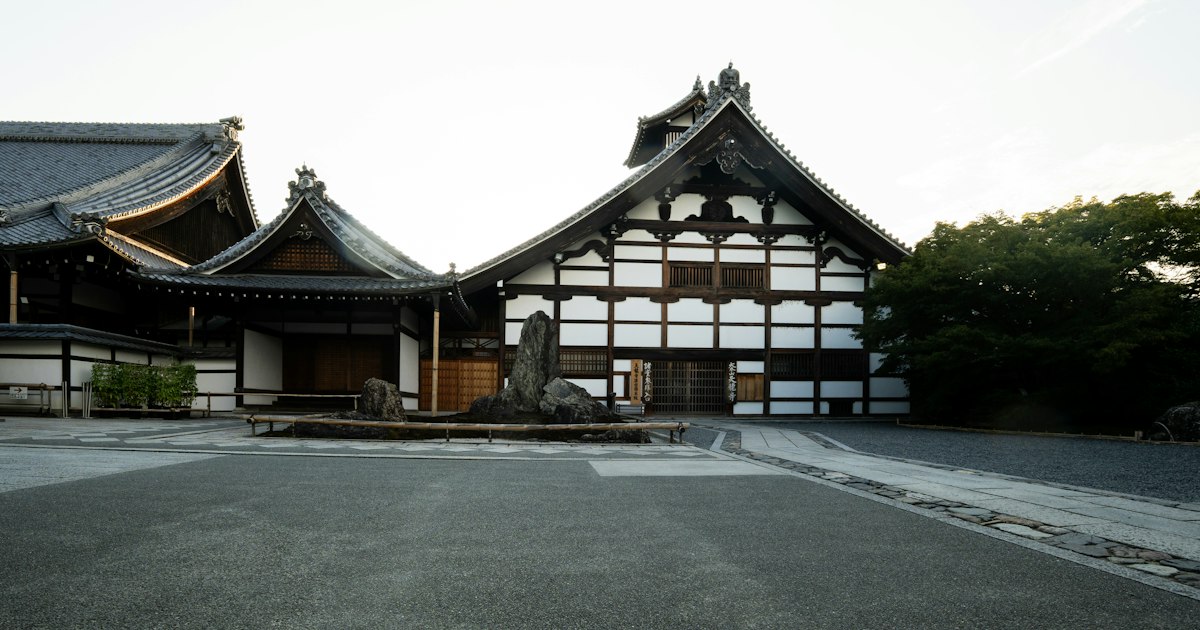
Photo by EMANUELE Ricciardi on Unsplash
Yudofu — blocks of silky tofu simmered gently in a kombu broth and eaten with soy sauce, grated ginger, and scallions — is one of Kyoto’s quietest culinary traditions, born from centuries of Zen Buddhist temple cooking (shojin ryori) that avoided meat and fish. Today the dish is served almost ceremonially in two very different parts of the city: the bamboo-grove district of Arashiyama in the west, and the canal-side approach to Nanzen-ji temple in the east. Both areas built their tofu restaurants around famous temples, both lean heavily on local spring water for the broth, and both get seriously crowded — but the experience of eating there is quite different. Here’s how to decide which one fits your itinerary, and how to avoid the mistakes that waste a half-day in Kyoto.
Why Kyoto Has Two Yudofu Districts
Yudofu became associated with temple cuisine because tofu was a cheap, filling protein substitute for monks who couldn’t eat meat. Nanzen-ji, a major Zen temple founded in 1291, has had tofu restaurants clustered along its approach road for generations, and the water drawn from the Higashiyama hills is still credited for the texture. Arashiyama’s tofu tradition grew up similarly around Tenryu-ji temple, but the district’s appeal is wrapped into a bigger package — the bamboo grove, the Togetsukyo Bridge, and the Hozugawa river — so tofu there is often eaten as one stop on a longer sightseeing day rather than the main event.
Nanzen-ji: The More Traditional, Temple-Focused Experience
The Nanzen-ji approach road is lined with a handful of long-established yudofu restaurants, most built around traditional gardens you can view from your tatami seat. The best-known is Junsei (順正), which has operated near the temple gate since the 1830s and serves yudofu courses in a garden-view dining hall for roughly ¥3,300–¥6,600 per person depending on the course. Okutan (奥丹), inside the temple grounds near Nanzen-ji’s Tenju-an sub-temple, is even older — it’s been making tofu since the 1600s — and its set menu runs around ¥3,500–¥4,000 for yudofu plus small shojin ryori side dishes like sesame tofu and vegetable tempura.
Nanzen-ji itself is free to enter, though its Hojo garden and the Sanmon gate viewing platform charge small separate fees (around ¥600 and ¥600 respectively). The famous brick aqueduct (Suirokaku) built in 1890 runs right through the temple grounds and is a popular, free photo stop most visitors stumble onto by accident.
Getting there: Nanzen-ji is about a 10-minute walk from Keage Station on the Tozai subway line, or a 15-minute walk from the Nanzen-ji/Eikando-michi bus stop. It pairs naturally with a walk up the nearby Philosopher’s Path toward Ginkaku-ji.
Hours and timing: Most yudofu restaurants here are open for lunch only, roughly 11:00–14:30, with some reopening for an early dinner seating until around 18:00 or 19:00; several close one day a week (often Thursday), so check ahead. Arrive by 11:30 on weekends or during November koyo (autumn leaves) season — the wait for a table can exceed an hour by midday.
Arashiyama: Tofu as Part of a Bigger Day
Arashiyama’s tofu restaurants sit closer to the river and the bamboo grove rather than directly inside a temple complex. Saga Tofu Morika (嵯峨とうふ稲 or similar long-running shops) and several restaurants along the main road near Tenryu-ji serve yudofu sets from around ¥2,500 up to ¥7,000–¥8,000 for elaborate multi-course shojin ryori meals that include tofu skin (yuba) sashimi, tempura, and seasonal vegetables. Tenryu-ji’s own Shigetsu restaurant, inside the temple precinct, serves a formal shojin ryori course (reservation required, typically ¥8,800 and up) that’s one of the more refined ways to eat this style of cooking in Kyoto.
Because Arashiyama is also where most visitors go for the bamboo grove, the Togetsukyo Bridge, and the Saga Scenic Railway/boat rides, tofu lunch here tends to be squeezed between other activities rather than treated as a destination in itself. That’s a reasonable approach, but it means restaurants fill up fast around midday with a mixed crowd of tofu diners and people just wanting a quick lunch before the next stop.
Getting there: Arashiyama is reachable via the JR Saga-Arashiyama Station (JR Sagano Line from Kyoto Station, about 15 minutes), or the Randen Arashiyama tram line, or the Hankyu Arashiyama line from Katsura. It’s more straightforward to reach directly from Kyoto Station than Nanzen-ji is.
Hours and timing: Tenryu-ji grounds open at 8:30 (last entry around 16:30, extended slightly in peak seasons), and tofu restaurants nearby generally run 11:00–15:00 for lunch, with some open through to dinner. Arrive right at opening if you want to see the bamboo grove without crowds — by 9:30 it’s already busy, and by 10:30 it’s dense with tour groups.
Side-by-Side: Which One Fits Your Trip
- Budget option: A simple yudofu set at either district starts around ¥2,500–�part;3,500. Arashiyama has slightly more of these casual, lower-cost options since the area serves a higher volume of day-trippers.
- Mid-range: ¥4,000–¥6,000 gets you a proper multi-course shojin ryori meal with yuba, tempura, and seasonal vegetables at either Junsei or Okutan in Nanzen-ji, or at most sit-down restaurants in Arashiyama.
- Splurge: Shigetsu inside Tenryu-ji (Arashiyama) is the most formal, temple-grounds dining experience and requires advance reservation — it’s the closest thing to eating shojin ryori as monks historically would have, served in a room overlooking a Zen garden.
- Scenery: Nanzen-ji restaurants tend to have more direct, intimate garden views from your seat; Arashiyama’s appeal is the surrounding district (bamboo grove, river, monkey park) rather than the restaurant interiors themselves.
- Crowd management: Nanzen-ji is quieter overall and easier to get a same-day table without reservation outside peak autumn weekends. Arashiyama gets crowded earlier in the day and stays busy longer because of the other attractions.
Common Mistakes to Avoid
The biggest mistake is assuming yudofu restaurants keep dinner-service hours like typical Japanese restaurants — most of the well-known shops in both districts are lunch-focused and close mid-afternoon, so showing up at 17:00 hoping for a table often means a closed sign. Reserve ahead for Shigetsu and for Okutan during November and early December, when koyo crowds book out tables days in advance. Also budget actual time to sit and eat — yudofu is served as a multi-course meal meant to be lingered over, not a quick bite, so plan at least 45–60 minutes at the table rather than squeezing it between two other stops. If you’re visiting in summer, note that yudofu is a hot, simmered dish year-round in these districts; it’s traditionally a cold-weather comfort food, so some restaurants pair it with lighter seasonal sides in July and August to balance the heat.
Practical Tips for the Day
Both districts are a reasonable train ride from central Kyoto, so it’s worth treating this as a half-day or full-day excursion rather than rushing between them — trying to visit both Arashiyama and Nanzen-ji’s tofu restaurants in one day means a lot of transit time and two separate heavy lunches. Cash is still preferred at many of the older, family-run shops, though the larger restaurants like Junsei and Shigetsu increasingly accept cards. If your trip involves other high-end dining decisions in Japan, the strategies in booking a Michelin-starred restaurant in Japan as a tourist apply loosely here too — call or book online a few days ahead for the formal temple-grounds meals, especially Shigetsu.
For travelers interested in how Japanese food culture extends beyond restaurants, it’s worth comparing this temple cuisine to more everyday food traditions, like the unmanned roadside vegetable stands found across rural Japan, or heartier regional specialties like gyukatsu if you want a contrast to the light, vegetarian style of a yudofu lunch.