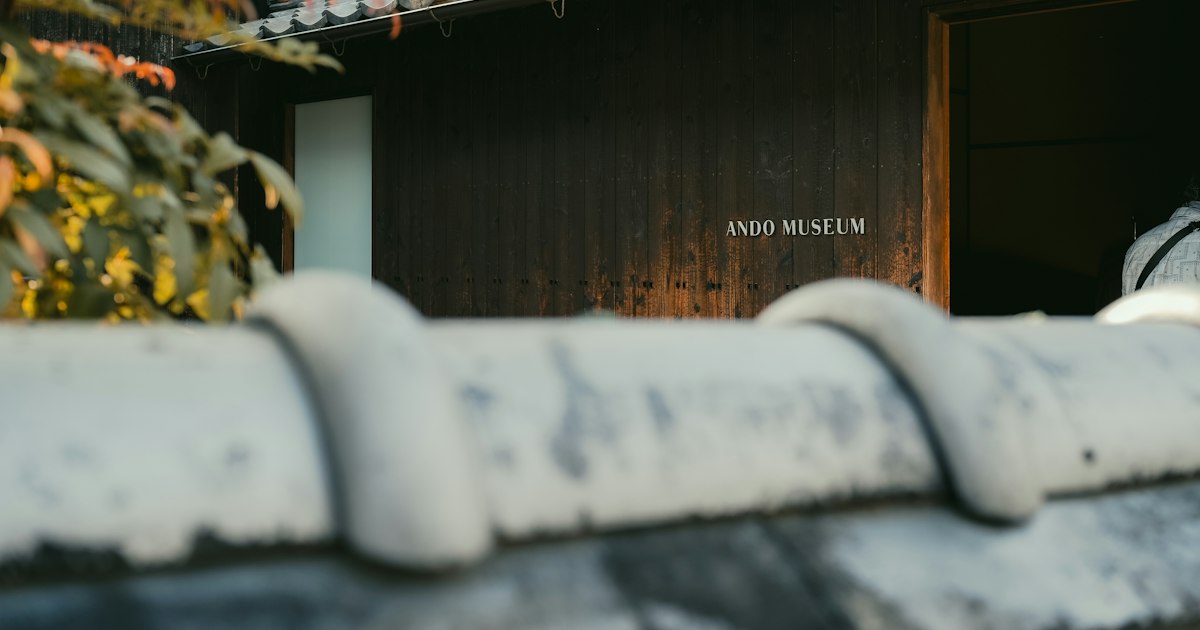
Photo by Johnny Ho on Unsplash
Tucked inside a city park in western Tokyo, the Edo-Tokyo Open-Air Architectural Museum (江戸東京たてもの園, Edo-Tokyo Tatemono-en) is one of the most underrated half-day trips in the capital. Roughly 30 real buildings — Edo-period farmhouses, a Meiji-era mansion, a 1920s public bathhouse, and a full row of Showa-era shopfronts — were disassembled from their original sites and rebuilt here, board by board, so you can walk straight into them. It’s quiet, it’s cheap, and it gives you a far more tactile sense of old Tokyo than any museum case ever could.
What the Museum Actually Is
The site is split into three zones inside Koganei Park: the Center Zone (grand houses, including a merchant mansion and a former finance minister’s residence), the East Zone (a reconstructed Shitamachi, or old downtown, street of shops and a public bathhouse), and the West Zone (thatched-roof farmhouses from the rural Musashino area that once surrounded Edo). Nothing here is a replica built to look old — every structure was moved and reassembled from its original location, many of them saved from demolition during Tokyo’s postwar rebuilding and the run-up to the 1964 Olympics.
Budget two to three hours to see everything properly, longer if you like photography — the low afternoon light on the thatched farmhouses and the shop lanterns of the East Zone is a favorite for photographers.
Getting There from Central Tokyo
Take the JR Chuo Line to Musashi-Koganei Station (about 20 minutes on a rapid train from Shinjuku). From the station’s north exit, catch a bus bound for Koganei Park (小金井公園, Koganei Koen) — it’s a roughly 5-minute ride to the Koganei-koen Nishiguchi stop, followed by a 5-minute walk to the museum entrance inside the park. If the weather’s nice, you can also walk the whole way from the station through the park in about 20 minutes, which is a pleasant warm-up for a day that’s already going to involve a lot of walking.
There’s no direct train station at the museum itself, so budget the extra bus fare (around ¥220 one way) and a little transfer time into your plan, especially if you’re combining this with another stop the same day.
Admission, Hours, and Closed Days
Admission is ¥400 for adults, ¥320 for university students, ¥200 for seniors (65 and over), and free for high school students and younger. Opening hours run 9:30 am to 5:30 pm from April through September, and 9:30 am to 4:30 pm from October through March, with last entry 30 minutes before closing. The museum is closed on Mondays (shifting to the next weekday if Monday is a public holiday) and over the New Year period, so double-check the official calendar before you go if your trip falls near either. Koganei Park itself is free and open year-round — only the museum grounds require a ticket.
Pick up the free English map at the entrance building before you start; the zones aren’t laid out in a straight line, and it’s easy to miss buildings tucked down side paths otherwise.
Buildings Not to Miss
A few stops are worth prioritizing if you’re short on time. Kodakara-yu, a 1929 public bathhouse with an ornate carved entrance, is the museum’s most photographed building and is widely believed to have influenced the look of the bathhouse in Hayao Miyazaki’s “Spirited Away” — Studio Ghibli is based not far from here in Mitaka, and Miyazaki is known to have used the museum as a reference while developing the film. The East Zone’s row of shopfronts — a stationery shop, a hardware store, a soy sauce dealer — recreates a Shitamachi street exactly as it would have looked in the early 20th century, down to the product displays. In the Center Zone, the former residence of Takahashi Korekiyo (a prewar finance minister assassinated in the 1936 coup attempt) and the Mitsui family’s wooden mansion show the other end of the social scale. In the West Zone, a thatched 18th-century farmhouse from the Musashino countryside is one of the oldest structures on site.
If you enjoy this kind of hands-on history, it pairs well with two other out-of-the-way museums: Nishi-Ogikubo’s antique and vintage shop street, which is only a few stations away on the same side of town, and The Railway Museum in Saitama, if you’re building a day around Japan’s industrial and everyday-life history rather than temples and shrines.
Best Time to Visit
Spring (late March to early April) and autumn (mid-November to early December) are the best seasons, since Koganei Park itself is known for cherry blossoms and fall foliage, and the wooden buildings photograph beautifully against both. Weekday mornings right after opening are the quietest; the museum isn’t typically crowded even on weekends, but tour groups can bunch up in the East Zone shopping street around midday. Summer is workable but shadeless in parts of the park walk to the entrance, so if you’re visiting July through September, pack sun protection — a hat and something like UV-cut arm covers and a cooling towel make a real difference on the open paths between buildings, since most of the walking here is outdoors.
Common Mistakes to Avoid
- Treating it as a quick stop. The buildings are spread across a genuinely large footprint of the park; rushing through in 45 minutes means missing the West Zone farmhouses entirely.
- Forgetting it’s a separate ticket from Koganei Park. Visitors sometimes assume the whole park requires admission — only the museum compound does.
- Not checking the Monday closure. Because the museum sits inside a public park that’s open daily, it’s easy to assume the museum is too.
- Skipping the shoe-removal buildings. Several interiors require taking off your shoes; wear socks without holes and shoes that slip off easily, since you’ll be doing this repeatedly across the site.
- Pairing it with the wrong second stop. It’s a 40+ minute trip back into central Tokyo, so don’t schedule a tight same-afternoon reservation elsewhere in the city immediately after.
Where to Eat and What Else to Budget For
On a tight budget, bring your own snacks and eat in Koganei Park itself, which has picnic-friendly lawns just outside the museum gate — entirely free. Mid-range visitors can eat at the museum’s own cafe inside the Center Zone, which serves simple set meals and coffee in the ¥700–¥1,200 range, a convenient option since leaving the grounds means re-entering through the ticket gate. For a small splurge, the museum occasionally runs seasonal events — lantern-lit evening openings in summer and New Year’s events in January — that are worth timing a visit around if your travel dates happen to align; check the official site before booking transport, since these aren’t on a fixed annual schedule. Gift shop items are modest (postcards, small crafts, museum guidebooks), so this isn’t a shopping stop — the value here is entirely in the walk-through experience itself.