Photo by Yosuke Ota on Unsplash
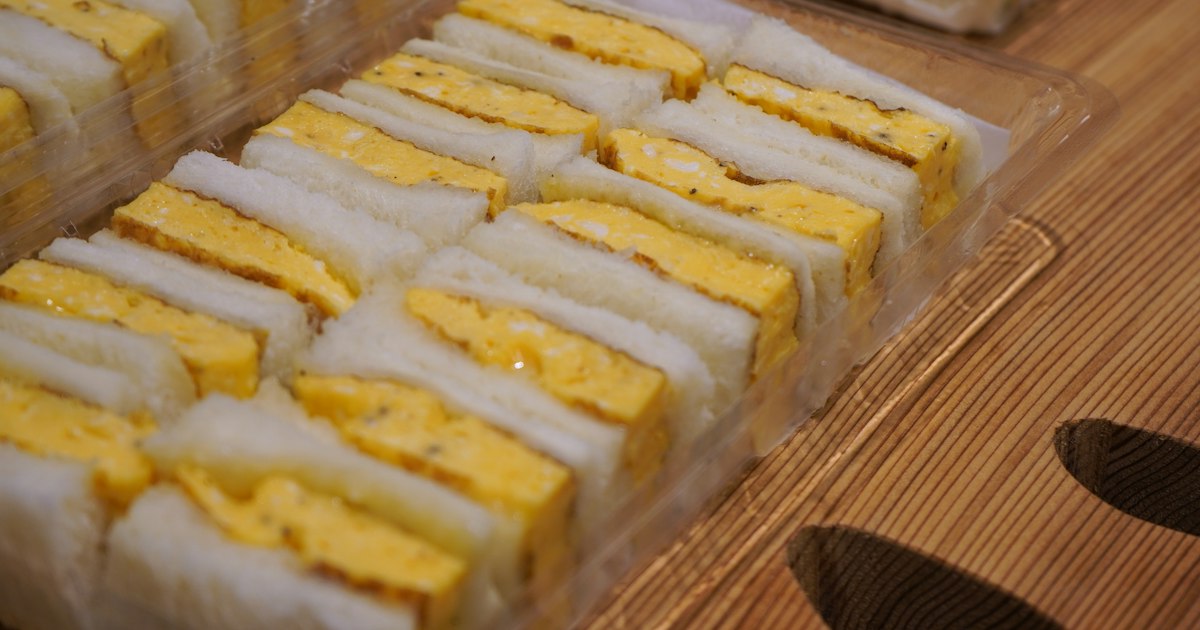
Ask any Japan-obsessed foodie what to eat on day one, and “the Lawson egg sandwich” comes up more often than ramen. Tamago sando — a pillowy egg salad sandwich pressed between crustless milk bread — has become one of the most talked-about convenience store foods in the country, and for once, the hype is backed by actual texture and flavor, not just social media. Here’s what it is, where to find the best versions, and how to avoid the rookie mistakes that lead tourists to a sad, soggy sandwich.
What Makes Tamago Sando Different from a Western Egg Sandwich
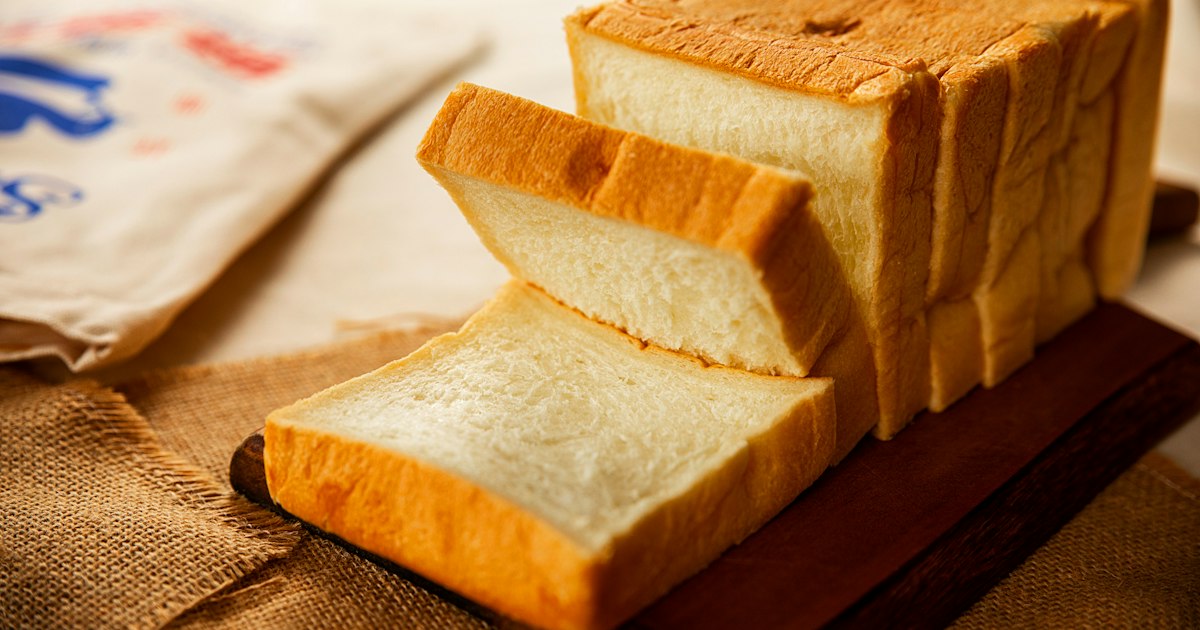
The defining feature isn’t the egg — it’s the bread. Japanese tamago sando is built on shokupan, the country’s famously soft, slightly sweet milk bread, sliced thick and with the crusts trimmed off. If you want to understand why that bread matters so much, it’s worth reading our guide to Shokupan: Japan’s Fluffy Milk Bread and the Bakeries Worth a Detour — the same bakeries that perfected shokupan are often the ones making the best sando in a given city.
The filling itself is usually a mix of boiled egg, raw egg mixed in while still warm (to create a custardy, almost soufflé-like texture), and Kewpie mayonnaise — Japan’s tangier, umami-rich mayo made with only egg yolks. Some versions add a thin layer of tamagoyaki (rolled omelet) instead of, or in addition to, the egg salad. Either way, the result is softer, creamier, and less vinegary than a typical American or British egg sandwich.
The Convenience Store Holy Trinity: Lawson, 7-Eleven, FamilyMart
You don’t need to seek out a specialty shop to try a good one — that’s the whole point of the obsession. Japan’s three major convenience store chains (konbini) all sell tamago sando in the sandwich section, usually near the onigiri and pre-made pasta.
- Lawson is generally considered to have started the modern craze with its egg salad sando, prized for an unusually thick, soft egg filling. Price: roughly ¥230–270 depending on the store and any seasonal upgrade (some Lawson locations sell a “premium” double-egg version for closer to ¥320–350).
- 7-Eleven leans slightly firmer and more classic in texture, often with a visible tamagoyaki layer. Price: around ¥220–260.
- FamilyMart sits in between the two, with a noticeably sweeter bread. Price: around ¥220–260.
Conbini are everywhere — there’s rarely more than a few minutes’ walk between one and the next in any city center, and most are open 24 hours. You’ll find them clustered around train stations, which is exactly where you want to grab one anyway: tamago sando is the ideal fuel for a train platform breakfast or a park bench lunch between sightseeing stops.
Specialty Shops Worth a Detour
If you want to taste what the conbini chains are chasing, Tokyo has several bakeries built around sandwiches specifically. Center The Bakery, with locations in Shibuya and Daikanyama, is the most famous — their tamago sando (around ¥500–600) uses a much richer, custard-like egg filling and noticeably denser, more buttery bread. Expect a short line, especially on weekend mornings, since portions often sell out by early afternoon.
These bakery versions are a good benchmark if you’re curious how far the convenience store product is from the “real” artisanal thing — the gap is smaller than you’d expect, which is exactly why Lawson’s version gets so much attention from Japanese food critics, not just tourists.
Best Time to Buy, and Common Mistakes
Conbini restock fresh sandwiches multiple times a day, typically mid-morning and again in the early afternoon, so sando bought right after a delivery truck visit will be noticeably fresher than one that’s been sitting since the previous shift. If a store looks freshly stocked (full shelves, straightened displays), that’s usually a good sign.
The most common visitor mistakes:
- Buying it cold and eating it cold. Tamago sando is meant to be eaten chilled but soon after purchase — don’t let it sit in a hot bag for hours, since the mayo-based filling doesn’t hold up well in summer heat.
- Checking the date wrong. Japanese expiration labels show both a date and a time (e.g., “10/24 14:00”) — that’s the cutoff, not just the day.
- Skipping it in favor of onigiri out of habit. Rice balls get all the tourist attention, but the sandwich fridge is just as worth browsing — this is also where you’ll find kare pan and other conbini bread favorites if you want to sample a few items side by side.
- Assuming all branches are equal. Even within the same chain, quality can vary slightly by region, since some items are baked by different regional factories — if your first try disappoints, don’t write off the whole category.
Budget, Mid-Range, and Splurge Options
This is a rare food category in Japan where “budget” genuinely means “the best-reviewed version.”
- Budget (¥220–270): Any conbini tamago sando — Lawson is the consensus pick for texture, 7-Eleven for a firmer bite.
- Mid-range (¥350–450): Department store basement food halls (depachika) and train station bakeries often sell an upgraded version with thicker-cut bread and premium eggs.
- Splurge (¥500–800): Specialty sandwich bakeries like Center The Bakery, or hotel bakery counters in Tokyo and Osaka, which sometimes add ingredients like truffle salt or wagyu katsu alongside the egg.
Given how cheap even the splurge tier is compared to most Japanese food experiences, it’s genuinely worth trying all three tiers across a trip rather than picking just one.
Pairing It Like a Local
Konbini regulars usually pair tamago sando with a canned coffee or green tea, but it also works well with a cold bottle of ramune if you’re eating it as an afternoon snack rather than breakfast. If you’re building a full conbini or fast-food comparison crawl during your trip, it’s worth reading up on Gyudon Chains Compared: Yoshinoya vs Sukiya vs Matsuya too — between gyudon, tamago sando, and a few onigiri, you can eat extremely well in Japan for under ¥1,500 a day without ever sitting down at a restaurant.
Tamago sando isn’t going to show up on any “must-see” itinerary alongside temples and shrines, but it’s one of those small, repeatable pleasures that ends up defining a trip — the thing you grab out of habit by day three and specifically miss once you’re home.