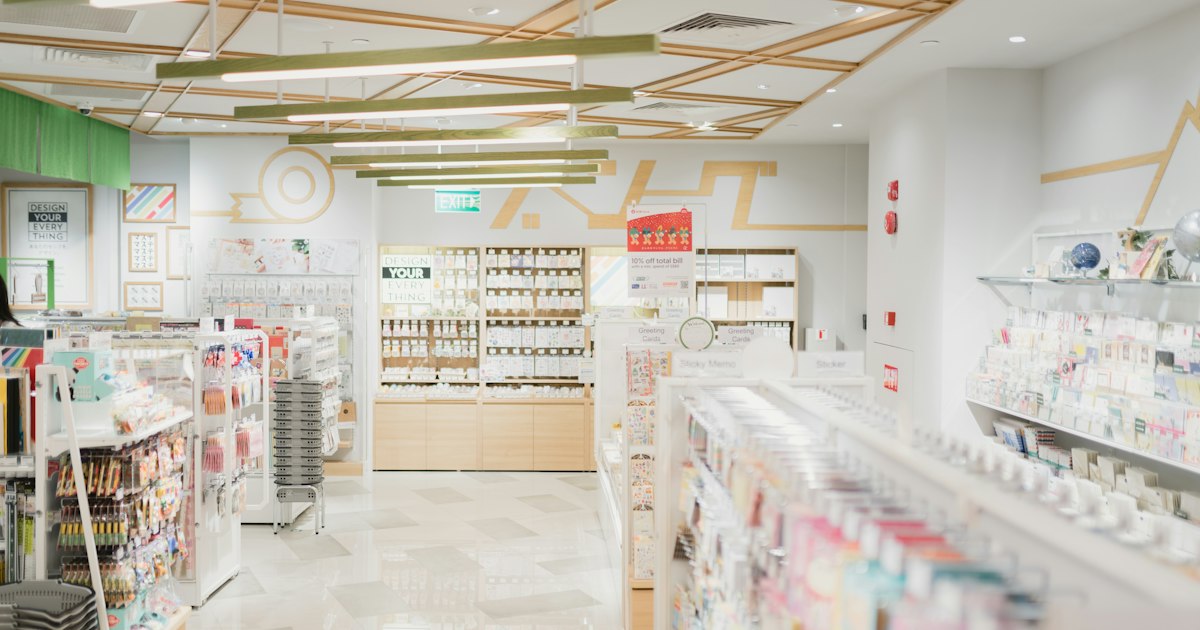
Photo by Nathaniel Yeo on Unsplash
Bioré’s nose strips are the gateway drug of Japanese skincare — half the suitcases leaving Narita seem to have a box tucked in somewhere. But walk down any drugstore’s skincare aisle in Tokyo or Osaka and you’ll find an entire ecosystem of pore-care products that locals actually rotate through, many of which rarely make it onto English-language shopping lists. This guide covers what to look for, what things cost, and how to avoid wasting money on products that don’t suit your skin.
Why Japanese Pore Care Goes Beyond One Brand
Japanese skincare culture treats blackheads and clogged pores as a maintenance problem, not a one-time fix, which is why the shelves are stocked with several different formats rather than just adhesive strips: enzyme washing powders that dissolve oxidized sebum, gommage gels that roll dead skin off without scrubbing, and vitamin-C-based serums that target pores from the inside rather than pulling gunk out from the outside. Understanding the categories helps more than chasing a single “miracle” product — a strip can only remove what’s already surfaced, while a washing powder or serum works on what’s forming underneath.
Budget Picks Under ¥700
If you just want something cheap and effective to try, start here:
- Ishizawa Lab Pore Pack nose strips — a long-running drugstore staple, usually ¥450–¥650 for a box of around 6–8 strips. Slightly gentler adhesive than Bioré’s, which makes it a better first try if you’ve never used a pore strip before.
- To-Plan (Kiwami) clear pore packs — similar nose-strip format, often found in the same shelf section, typically ¥400–¥550.
- Daiso’s own pore strips and blackhead gel masks — at ¥110–¥220 these are the cheapest entry point by far, sold at Daiso’s cosmetics corner alongside its rotating seasonal lineup; see our guide to Daiso’s seasonal-only products for how often that store’s stock turns over, which applies to skincare too.
Mid-Range Favorites (¥700–¥1,500)
This is where most Japanese shoppers actually spend their money, because it’s the range with the best cost-to-result ratio:
- Suisai Beauty Clear Powder (Kanebo) — an enzyme face-washing powder in individually portioned paper packets, roughly ¥1,200–¥1,500 for a box of 32. It’s not a strip at all; it’s a daily wash that gradually breaks down the oxidized sebum that turns pores black, and it’s the product dermatology-minded Japanese users reach for before they ever touch a nose strip.
- Senka Perfect Whip (Shiseido) — a dense, foaming cleanser around ¥500–¥700 that won’t remove existing blackheads but keeps pores from refilling as fast, which matters if you’re buying strips to use repeatedly during a long trip.
- Melano CC Vitamin C essence (Rohto) — about ¥900–¥1,200, applied after cleansing to tighten visible pores over several weeks rather than instantly. Good for travelers staying two weeks or longer, less useful for a quick weekend fix.
- Cure Natural Aqua Gel — a cult-favorite exfoliating gel, usually ¥1,300–¥1,600, that rolls off dead skin and surface gunk without the sandpaper feeling of a physical scrub. It pairs well with pore strips used once a week.
Splurge Options
If you want to bring something back as a gift to yourself or a friend, look at department-store cosmetics counters (Isetan, Takashimaya, or Hankyu’s basement floors) rather than the drugstore chain shelves:
- Obagi or Fancl pore-targeted serums and masks — generally ¥2,500–¥5,000, sold through counter consultations where staff can match a product to your actual skin type rather than you guessing from packaging you can’t fully read.
- Clay-based nose masks from brands like Clinique For Men or SK-II’s smaller pore-focused line — priced similarly, usually ¥3,000 and up, and worth it mainly if you’re already a fan of the brand rather than buying purely for blackheads.
Where to Buy and the Best Time to Shop
Matsumoto Kiyoshi, Sundrug, Daikoku Drug, and Tomod’s are the big drugstore chains, and their skincare sections are nearly identical in stock from store to store, so there’s no need to hunt for a specific branch. Most city-center locations open around 9:00 or 10:00 a.m. and close between 9:00 and 10:00 p.m.; Don Quijote locations in Shibuya, Shinjuku, and Dotonbori stay open later or run 24 hours, which is useful if you’re shopping after a late dinner. For tax-free purchases, spend over ¥5,000 in a single transaction at one store and bring your passport — most drugstore chains have a dedicated tax-free counter, usually on an upper floor or near the main register.
Summer (June through September) is genuinely the best season to stock up, since humidity increases oil production and most Japanese skincare brands push their pore-care lines hardest with seasonal promotions and multi-packs during these months. Airport drugstores at Narita and Haneda carry a decent but pricier selection if you’re buying on your way out — expect to pay 10–20% more than in-town prices for convenience.
Common Mistakes to Avoid
- Using a nose strip on dry skin. Every package insists on this, but it’s easy to skip when you’re jet-lagged and in a hurry: wet your nose thoroughly first, or the strip will just pull at skin without lifting much from the pores.
- Using strips more than once or twice a week. Overuse stretches pores rather than shrinking them over time, which is the opposite of what most buyers want.
- Skipping the aftercare step. Pores open up right after a strip is removed; follow with a cold-water rinse or a toner with closing/astringent properties (often labeled “収れん” — shuuren — on Japanese packaging), or they’ll just refill faster.
- Assuming English labeling means a product is for tourists. Bilingual packaging is common at drugstores near major stations, but it doesn’t mean the formula differs from the Japanese-only version — don’t pay extra for a box just because it has English text.
For travelers also stocking up on practical household items while they’re in drugstore mode — bug spray, pain patches, or anti-mold sprays for a rented apartment — our guide to fighting mold in Japanese apartments covers another category of products worth knowing the Japanese names for before you go shelf-hunting.
None of this requires a special trip — any neighborhood drugstore will have at least the budget and mid-range tiers in stock, and the staff are used to tourists pointing at the nose-strip section even without shared language.