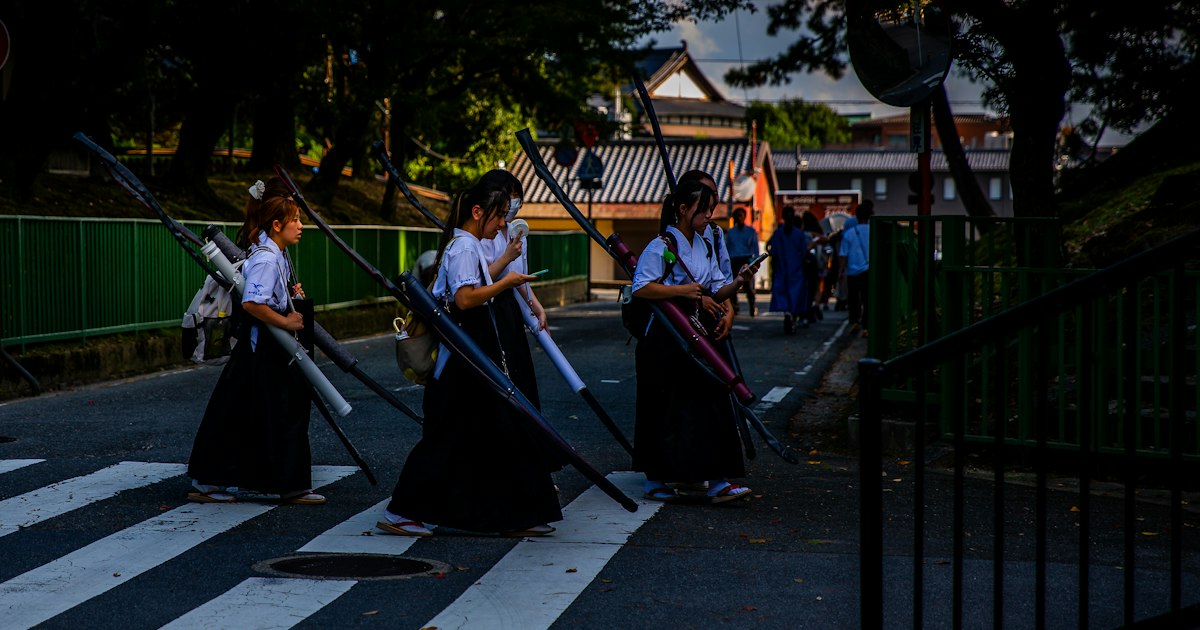
Photo by Rafik Wahba on Unsplash
Kyudo, Japan’s traditional art of the longbow, has a small but surprisingly accessible retail world clustered around Tokyo. Whether you’ve trained in kyudo abroad and want a genuine Japanese yumi (bow), or you’re a collector hunting for a used set of equipment to take home, the shops near Tokyo are where almost everything happens — this is a niche with very little online presence and almost no English signage, so knowing where to go and what to expect saves a wasted afternoon.
Why “used” is the realistic option for visitors
New kyudo bows made from laminated bamboo (the traditional construction) are built to order and can take six months to a year from specialist makers, which obviously doesn’t work for a trip. Glass-fiber or carbon-fiber bows (the type most dojo-trained archers actually use) are more often in stock, but a new entry-level carbon yumi still runs ¥60,000–¥100,000, and full gear — bow, arrows (ya), glove (yugake), chest protector (muneate), quiver — easily clears ¥150,000 new. Used equipment, sold when club members upgrade or quit, is where most visiting buyers end up, both for price and availability on the day.
Where to actually go near Tokyo
There is no “kyudo district,” but a handful of specialist shops carry used stock regularly:
- Miyazakiya (宮崎屋) in Taito-ku, near Asakusa — one of Tokyo’s oldest kyudo-gu dealers, with a back room of used bows and gloves that isn’t always on display; ask directly. Open roughly 10:00–18:00, closed Sundays and holidays.
- Kyudo-related stock at general budo (martial arts) suppliers in the Kanda/Jimbocho area — this neighborhood is better known for secondhand books but also has a couple of long-standing martial arts equipment shops that stock kyudo alongside kendo and judo gear. Worth a walk-through if you’re already there.
- Dojo bulletin boards — many municipal kyudojo (archery halls) in Tokyo allow visitors to watch practice, and members selling used bows and yugake often post notices on a corkboard near the entrance rather than online. If you have any contact with a local kyudo club, this is frequently the cheapest route — ¥15,000–¥40,000 for a decent used carbon bow, direct from a departing member.
None of these operate like tourist shops — expect cash-only transactions, minimal English, and stock that varies week to week. Calling ahead (or having a Japanese-speaking friend/hotel concierge call) to confirm used inventory before you make the trip is genuinely worth doing.
What to budget for
- Budget (¥10,000–¥30,000): A used fiberglass practice bow, often with worn grip wrapping or a replaced string. Fine for beginners or display purposes, not for serious long-term shooting.
- Mid-range (¥30,000–¥80,000): A used carbon-fiber yumi in good condition, sometimes with a matching yugake. This is the sweet spot most dojo-level archers look for.
- Splurge (¥100,000+): A used bamboo-laminate bow from a reputable maker, which can hold value and is sometimes sold by retiring archers through a dealer’s personal network rather than open shelf stock. These require more vetting — ask about the bow’s age, as bamboo bows need periodic restringing and can warp if stored improperly.
A yugake (archery glove) is arguably the hardest used item to buy well, since fit is personal and deerskin gloves mold to the original owner’s hand over time. Many shops will only sell used gloves after you try them on in person, which is another reason to go rather than hope for mail order.
Best timing to visit
Spring (March–April) and early autumn (September–October) are when Japanese high school and university kyudo clubs graduate members and gear turns over, so secondhand stock tends to be freshest right after these periods — late April and late October are good windows to check shops. Avoid the height of summer if you can; many of these small shops keep shorter hours or close for several days around Obon (mid-August), similar to other family-run retailers.
Common mistakes foreign buyers make
- Buying a bow that’s too long or too strong. Yumi are sized to the archer’s draw, roughly based on height, and sold in set lengths (nisun-nobi, sansun-nobi, etc.). A bow that looks fine standing in a shop can be unusable if the draw weight or length doesn’t match you — ask the shop to measure you, don’t just guess from online charts.
- Assuming everything ships or exports easily. A 2.2-meter bamboo yumi doesn’t fit in a suitcase. Some shops can arrange shipping (takkyubin) to your hotel or airport, but international shipping of a full-length bow is expensive and needs to be arranged separately — ask before buying, not after.
- Not checking arrow (ya) length separately. Arrows are sized to your draw independent of the bow, and used arrow sets are often sold as mismatched bundles. Don’t assume a bundle will fit your draw just because the bow does.
- Treating it as a casual souvenir purchase. Reputable kyudo-gu dealers are used to serious practitioners, including foreign ones, but they’re less used to tourists treating the transaction like a flea market. Being upfront that you practice kyudo (or want this for respectful display, not play) goes a long way with shop owners.
Getting there and what else to pair the trip with
Miyazakiya and the Kanda-area martial arts shops are both easy add-ons to a day already built around central Tokyo — Asakusa for Miyazakiya, or Jimbocho’s secondhand bookshops if you’re near Kanda. If you’re spacing out your trip around Tokyo’s seasonal sights, it’s worth checking something like Kawazu-zakura’s early cherry blossoms for a February visit, or combining a Kanda shop visit with an afternoon browsing Tokyo’s other specialist hobby retail, similar in spirit to the collector culture around sofubi vinyl figures. If your schedule is tight and you’re staying near Narita or Haneda before a flight, factor in enough buffer time, since none of these shops are near the airports — check lounge access options if you end up with a long layover after a shopping trip into the city.
Final practical notes
Bring cash — card acceptance at these small specialist shops is inconsistent — and bring your measurements (height, and ideally your known draw length if you already practice). If you don’t speak Japanese, writing down key terms beforehand (yumi for bow, ya for arrows, yugake for glove, chuko for “used/secondhand”) on your phone will help enormously, since staff may not expect English-speaking customers and won’t necessarily have signage to bridge the gap.