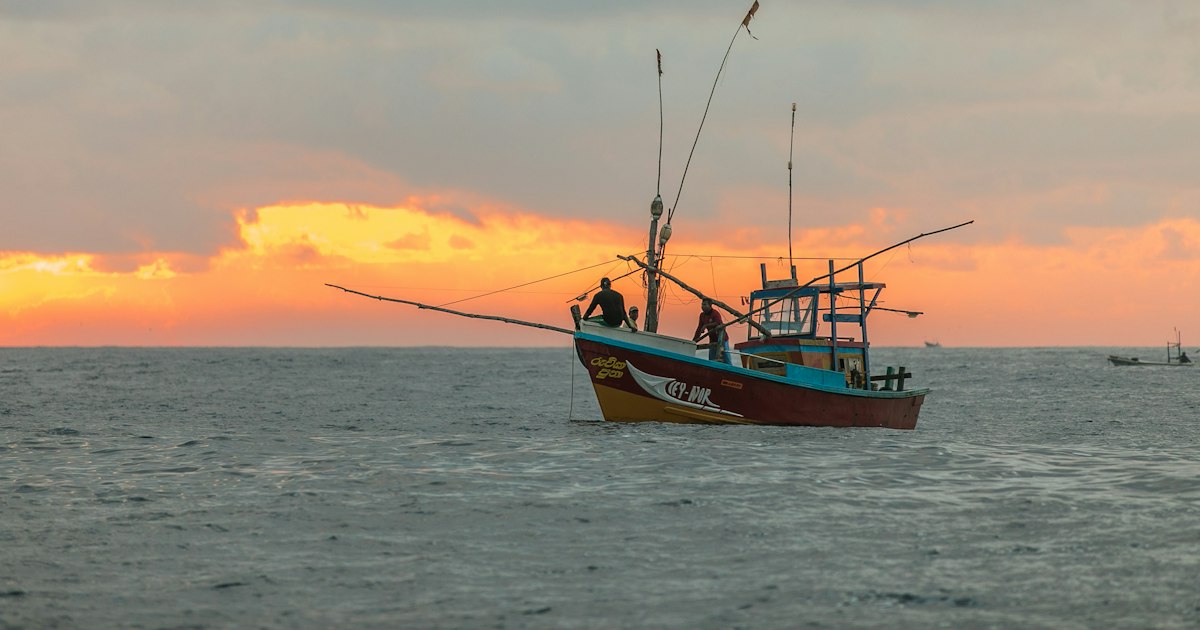
Photo by Egle Sidaraviciute on Unsplash
Head out from almost any Japanese fishing port after dark between early summer and late autumn, and you’ll see rows of boats lit up like floating UFOs, ringed with banks of blinding green-white lamps. They’re not doing anything exotic — they’re jigging for squid, one of the most accessible and genuinely thrilling boat trips a visitor can book in Japan, no license and almost no experience required. Here’s how to actually get on one.
Why Night Squid Jigging Is Worth Doing
Ika-tsuri (イカ釣り) — squid jigging — is a national pastime, not a tourist gimmick. Charter boats called yugyosen (遊漁船) take small groups out at dusk, drop anchor over known squid grounds, and switch on powerful underwater-facing lights that draw squid up toward the surface. You drop a weighted, unbaited lure called an egi (エギ) or a rigged set of hooks down into the lit water and jig it in short, sharp pulls. The takes are unmistakable — a sudden heavy weight and then the squid’s ink-and-water “thump” as you haul it up. No fishing license is required for recreational sea fishing anywhere in Japan, which makes this one of the easiest “local experience” bookings available to a foreign visitor who doesn’t speak Japanese fluently.
Best Season and Timing
Squid species rotate through the calendar depending on region, so “squid season” isn’t one block of months — it’s several overlapping ones. Surume ika (Japanese common squid), the species most charters target, generally fishes best from midsummer through late autumn (roughly July to November), peaking around August–October in many ports. Yari ika and kensaki ika, prized for sashimi-grade sweetness, tend to run better in winter and early spring in some bays (January–April). Hokkaido’s Hakodate — famously nicknamed Japan’s “squid city,” with a squid monument on the waterfront — has its tourist-friendly ika-tsuri season concentrated in summer. If a specific species matters to you, ask the charter directly; they’ll know this week’s run better than any general guide.
Departures are almost always evening to late-night: a typical half-night trip leaves port around 17:00–18:00 and returns by 22:00–23:00, while full overnight charters can run until 2:00 or 3:00am. Weekday trips are easier to book last-minute and often slightly cheaper than weekend slots.
How to Book: Budget, Mid-Range, and Splurge
Budget (around ¥8,000–¥12,000 per person): Shared charter boats that take 6–10 anglers split the cost. You’ll be fishing shoulder-to-shoulder along the rail, which is part of the fun, but rod space is first-come. Many ports have one or two boats that cater specifically to beginners and tourists with rental gear built into the price.
Mid-range (around ¥13,000–¥20,000 per person): Smaller-capacity boats (4–6 people) with more space per angler, a captain who actively relocates the boat if squid aren’t biting, and often a fish finder you can watch over the captain’s shoulder. Electric reel rental — standard for night squid jigging since it saves your arms over hours of jigging — usually adds ¥3,000–¥5,000 for the night if not already included.
Splurge (¥80,000–¥150,000+ for a private full-boat charter): Hire the whole boat for your group (often capped at 4–8 people regardless), set your own start time within the captain’s availability, and sometimes negotiate extra stops or a longer run. This is the easiest route if nobody in your group speaks Japanese, since you’re dealing directly with one captain rather than joining a mixed group of regulars.
Booking is usually done by phone directly with the boat operator, though an increasing number list on Japanese charter-booking portals (search “遊漁船 イカ釣り” plus the port name). Few captains run English-language booking pages, so if you can’t call in Japanese, ask your hotel concierge or a local tourism office to call on your behalf — this is a completely normal request in port towns that see squid-fishing tourism.
Getting to the Port
Three regions cover most visitor-accessible squid charters. The Izu Peninsula (Numazu, Ito, Mishima) is roughly 1–2 hours from Tokyo by train and popular for weekend trips. The Kii Peninsula in Wakayama (ports like Kushimoto and Susami) is reachable from Osaka via the JR Kisei Line, and if your trip starts from Namba, it’s worth checking which line actually gets you there fastest before you commit to a departure time. Hakodate, in Hokkaido, is the most famous squid port in the country and worth building a whole evening around if you’re already up north.
Whichever port you choose, confirm the return time against your onward transport — ferries and last trains to remote stretches of coast run early, and getting this wrong is a real risk; it’s worth knowing your backup options for what to do if you miss the last boat back to where you’re staying.
What to Expect on Board and What to Bring
Life jackets are legally required on small charter boats and the captain will have them for you — don’t skip wearing it even if other passengers get casual about it. Bring layers; sea temperatures at night drop fast even in summer, and the boat’s lights don’t generate warmth. Non-drowsy motion sickness medication taken an hour before departure is standard practice among regular Japanese anglers, not a tourist crutch — the boat sits anchored and drifts/rolls with swell for hours, which is a different motion than moving forward and catches a lot of first-timers off guard. A small cooler bag or the boat’s provided ice box will keep your catch fresh for the trip home.
Common Mistakes First-Timers Make
The most frequent error is jigging too aggressively — squid are drawn to a subtle, rhythmic lift-and-drop, not frantic yanking, and over-jigging just tangles your line with your neighbor’s. Second is under-budgeting for egi lures: they snag on rock and get bitten through by squid beaks, and most anglers lose two or three a trip, at roughly ¥500–¥800 each, so bring or buy a few spares rather than one. Third is assuming the boat provides meals — most don’t beyond maybe tea or a rice ball; eat before you board or bring something. Finally, don’t assume a slow first hour means a slow night: squid often move onto the lit water in waves, and captains will reposition the boat once or twice if the first spot is quiet.
After the Catch: Cooking and Eating Your Squid
Many ports have a nearby izakaya or set-sail restaurant that will cook your catch for a small fee (often ¥500–¥1,000 per squid, sometimes free with a food order), turning fresh-caught ika into sashimi, tempura, or grilled shiokara on the spot — one of the best reasons to do this trip at all. Keep in mind Japan’s general restaurant culture around portion control: if you over-order once your catch is prepared several ways, you likely won’t be able to take the extra home, since most Japanese restaurants don’t do doggy bags for liability reasons. Pace your order, or ask the captain in advance whether he can bag the raw catch for you to cook back at your accommodation instead.