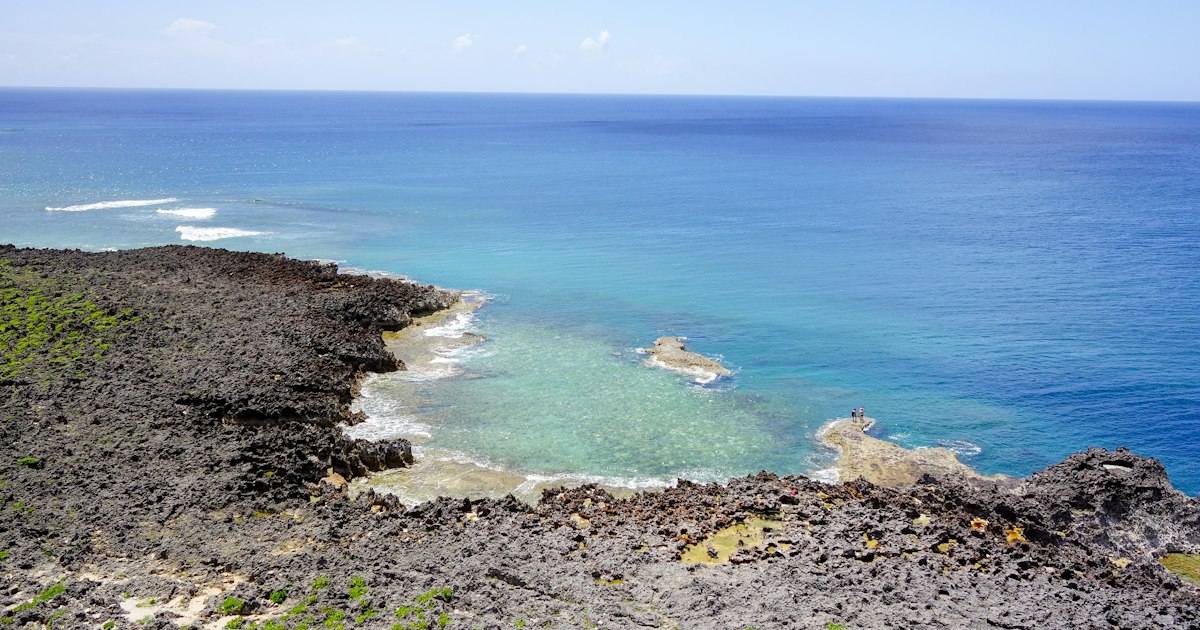
Most visitors heading east from Tokyo stop at Narita and turn back. Keep going another 40 minutes and you reach Choshi, a working fishing port at the easternmost tip of the Boso Peninsula where cargo nets, soy sauce vats and a 150-year-old lighthouse share the same small stretch of coastline. It’s an easy, inexpensive day trip that doesn’t show up on most first-timer itineraries, which is exactly why it’s worth the detour — you get dramatic ocean cliffs, one of Japan’s most photogenic lighthouses, a toy-sized local train, and some of the freshest seafood in the Kanto region, all without crowds.
Getting to Choshi from Tokyo
The fastest option is the JR Shiosai limited express, which runs directly from Tokyo Station to Choshi Station in about 95–100 minutes. A one-way reserved seat costs roughly ¥4,000 depending on the exact fare rules at booking time. If you’re not in a hurry, the regular JR Sobu Line / Narita Line combination (often with a transfer at Narita or Sakura) gets you there for around ¥1,980 one-way but takes closer to two and a half hours.
Either way, book an early departure. The lighthouse, the train, and the port are all more rewarding in the morning light, and you’ll want a full day to cover everything without rushing back for the last convenient train home (the last Shiosai back to Tokyo leaves Choshi in the early evening, so check the timetable before you set off).
Inubosaki Lighthouse: Climbing a 150-Year-Old Beacon
Inubosaki Lighthouse (犬吠埼灯台) sits on the easternmost headland of the Kanto region and is one of Japan’s officially designated “50 Lighthouses” of historic value. It was completed in 1874, built under the supervision of Scottish engineer Richard Henry Brunton, who designed many of Japan’s early Meiji-era lighthouses, and its red-brick base and white tower have barely changed since.
You can climb the interior spiral staircase to the observation deck at the top for ¥300 (adults), with children typically admitted free. Opening hours run roughly 8:30 a.m. to 5:00 p.m. from March through October, shifting to 8:30 a.m. to 4:00 p.m. in the winter months — it’s worth confirming the current hours locally since they shift slightly year to year. The views from the top stretch along the Byobugaura cliffs to the south, a rugged 10km shoreline carved by Pacific swells, and on a clear morning this is one of the first places in the Kanto region to catch the sunrise, which is why it gets a small crowd of photographers on New Year’s Day.
Around the base of the lighthouse is a short strip of souvenir shops selling dried squid, sembei, and lighthouse-shaped trinkets — not essential, but a fine place to grab a drink before or after the climb.
Riding the Choshi Electric Railway
Getting from Choshi Station out to the lighthouse is half the fun, because you’ll likely do it on the Choshi Electric Railway (Choshi Dentetsu), a single-car local line that’s become something of a local legend for its precarious finances — the railway has kept itself solvent for years largely by selling its own brand of soy-sauce-flavored rice crackers (nure senbei) rather than through fares alone. The ride from Choshi Station to Inubo Station takes about 15–20 minutes, after which it’s a 5–10 minute walk to the lighthouse.
A one-day pass covering the whole line costs around ¥1,000 and is worth it if you plan to hop off at a couple of stations — Tokawa, the line’s terminus, sits near more cliffs and a small shrine, and the stations themselves are charmingly low-key, some little more than a platform and a vending machine.
Choshi Port, Fresh Seafood and Soy Sauce
Choshi Port consistently ranks among Japan’s largest fishing ports by catch volume, built on sardines, mackerel, and horse mackerel hauled in daily. Near the port and around Choshi Station you’ll find small set-meal restaurants serving that morning’s catch as sashimi or donburi for ¥1,200–¥2,000 — reasonably priced for the quality, since the fish hasn’t traveled far. If you’re eating with a group at a casual izakaya in the evening before heading back, it’s worth knowing how the bill typically gets handled; our guide to warikan bill-splitting at Japanese restaurants and izakaya covers the etiquette so you’re not caught off guard.
Choshi is also one of Japan’s two historic soy sauce capitals, home to Yamasa and Higeta, two of the country’s oldest and largest shoyu makers, both founded here in the Edo period thanks to the town’s humid coastal climate, which suits the fermentation process. Yamasa runs a free visitor center near its factory with displays on the brewing process and samples; it’s a pleasant, low-effort stop if you have an hour to spare between the train and the port.
Best Time to Visit and Common Mistakes
Spring (April–May) and autumn (October–November) bring the mildest weather and clearest coastal views; midsummer is humid and the exposed lighthouse grounds offer little shade. Winter mornings can be genuinely cold and windy on the headland, but reward you with some of the clearest sunrise views of the year.
The most common mistake is treating Choshi as a quick lighthouse photo-op and skipping the train and the port — the Choshi Dentetsu ride and the seafood are arguably the better half of the day. The second is underestimating train timing: because Choshi is a genuine day-trip distance from Tokyo, missing the last direct Shiosai back means a longer, multi-transfer return. Check the return schedule before you leave in the morning, not after lunch. Third, note that many of the smaller seafood restaurants near the port close by mid-afternoon rather than staying open for dinner, since they’re built around the morning catch — plan your seafood lunch for midday, not evening.
Budget, Mid-Range and Splurge Options
- Budget (~¥6,000–7,000 total): Round-trip on regular JR trains, Choshi Dentetsu day pass, lighthouse climb, and a seafood donburi lunch.
- Mid-range (~¥10,000–12,000 total): Round-trip Shiosai limited express both ways, the lighthouse climb, a soy sauce factory visit, and a proper sashimi set lunch near the port.
- Splurge (~¥15,000+): Add a stay at one of the small ocean-view ryokan or hotels near Inubosaki to catch sunrise from your room before the day-trippers arrive, plus a multi-course seafood kaiseki dinner.
If you enjoy this kind of unhurried, slightly offbeat day trip, it’s worth noting there are similar easy escapes elsewhere in Japan — Jozankei Onsen near Sapporo follows a similar formula of big scenery reached quickly from a major city. And if standing at Japan’s easternmost point in the Kanto region puts the idea of geographic extremes in your head, the trip to Cape Sata, the southern tip of mainland Japan, scratches the same itch on a much bigger scale.