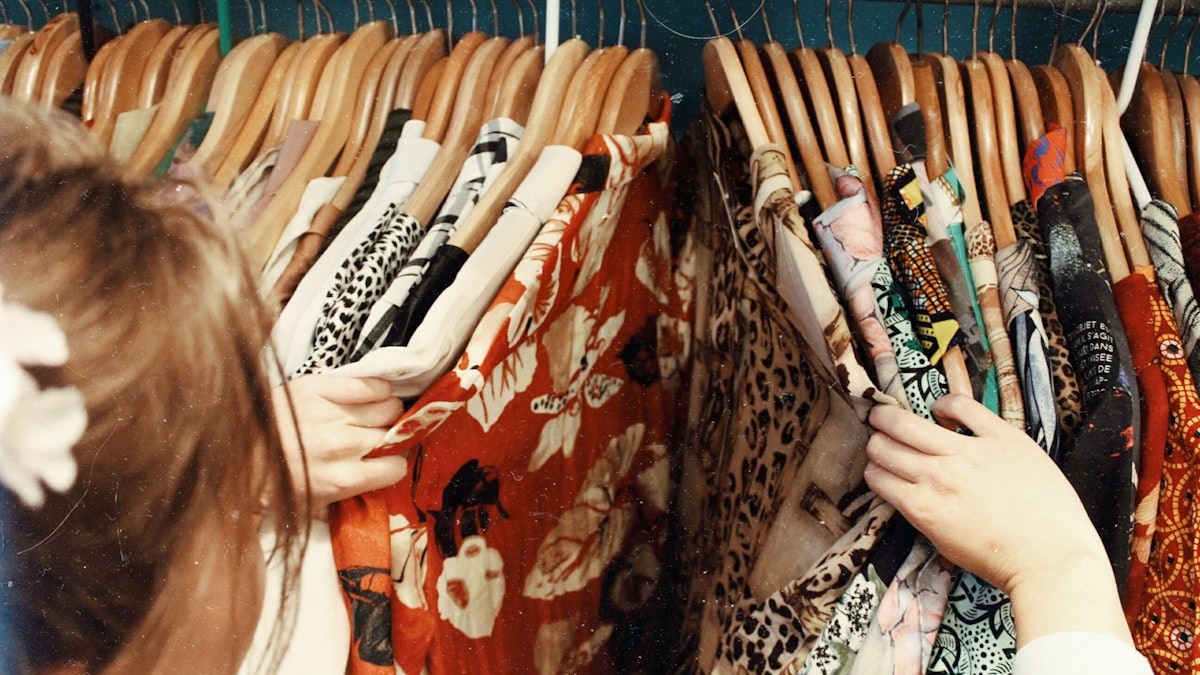
Japan is a secondhand paradise — used goods here are famously clean, honestly graded, and cheap. From designer bags to vintage kimono, thrifting is one of the smartest ways to shop. Here’s how.
Why Japan’s secondhand scene is special
Japanese resale culture prizes condition and honesty: items are meticulously cleaned, carefully graded, and often look nearly new. Because many owners treat things gently, you’ll find high-quality goods — including luxury — at a fraction of retail.
The big chains to know
- Book-Off — used books, manga, games, CDs; see buying manga.
- Hard-Off / Off-House — electronics, instruments, and general goods.
- 2nd Street & Mode Off — used fashion and accessories.
- Mandarake — collectibles, figures, and vintage anime goods; great in Akihabara.
What to hunt for
- Luxury bags & watches — reputable resellers authenticate; huge savings. See Japanese watches.
- Vintage fashion — Shimokitazawa and Koenji in Tokyo are treasure troves.
- Vintage kimono — beautiful and inexpensive; see the kimono & yukata guide.
- Cameras, games & collectibles — often mint condition.
How grading works
Shops grade items (often S/A/B/C or similar) by condition, with prices to match. Inspect anything electronic or mechanical, and don’t be shy — staff are used to careful browsing.
Tips
- Bring your passport — many chains offer tax-free over the threshold.
- Prices are usually fixed (little haggling), but sales and bargain corners are common.
- Can’t visit in person? A proxy service can bid on Japanese resale sites and auctions for you.
- It’s a sustainable, budget-friendly way to find unique gifts.
What secondhand prices actually look like
- Used designer bags at reputable resellers (like a well-graded Louis Vuitton or Coach piece) commonly sell 30-60% below retail, with authentication already done by the shop — a real advantage over marketplace buying elsewhere.
- Book-Off manga runs JPY 100-500 per volume for older or common titles, while rare first editions and complete sets command a premium closer to new pricing.
- Vintage kimono at secondhand shops often run JPY 2,000-8,000 for pieces that would cost tens of thousands new, since younger generations increasingly don’t want the formal garments passed down from grandparents.
Common mistakes to avoid
- Assuming secondhand means poor condition — Japan’s resale culture treats “used” and “well-cared-for” as compatible ideas; genuinely mint-condition electronics, bags, and clothing are the norm at graded shops, not the exception.
- Skipping the grading label — shops post condition grades (often S, A, B, C) directly on the price tag; learning this system in the first store you visit makes every subsequent shop faster to browse.
- Not checking working condition on used electronics — reputable shops test and warranty items for a short period, but asking staff to demonstrate a camera or game console before buying is normal practice.
A neighborhood-based approach
Rather than hunting individual shops across a city, pick one secondhand-dense neighborhood and spend a half-day there — Shimokitazawa and Koenji in Tokyo cluster dozens of vintage and resale shops within walking distance, making for a far more efficient (and fun) afternoon than crossing town between isolated stores.
Shipping bulkier secondhand finds
If a shopping trip turns up more than your suitcase can handle — a stack of manga, a vintage camera, several kimono — most large chains and specialist shops can arrange international shipping for an added fee, which is often cheaper than paying overweight baggage charges at the airport.