Some links below are affiliate links. If you buy through them, Japan Trove may earn a small commission at no extra cost to you.
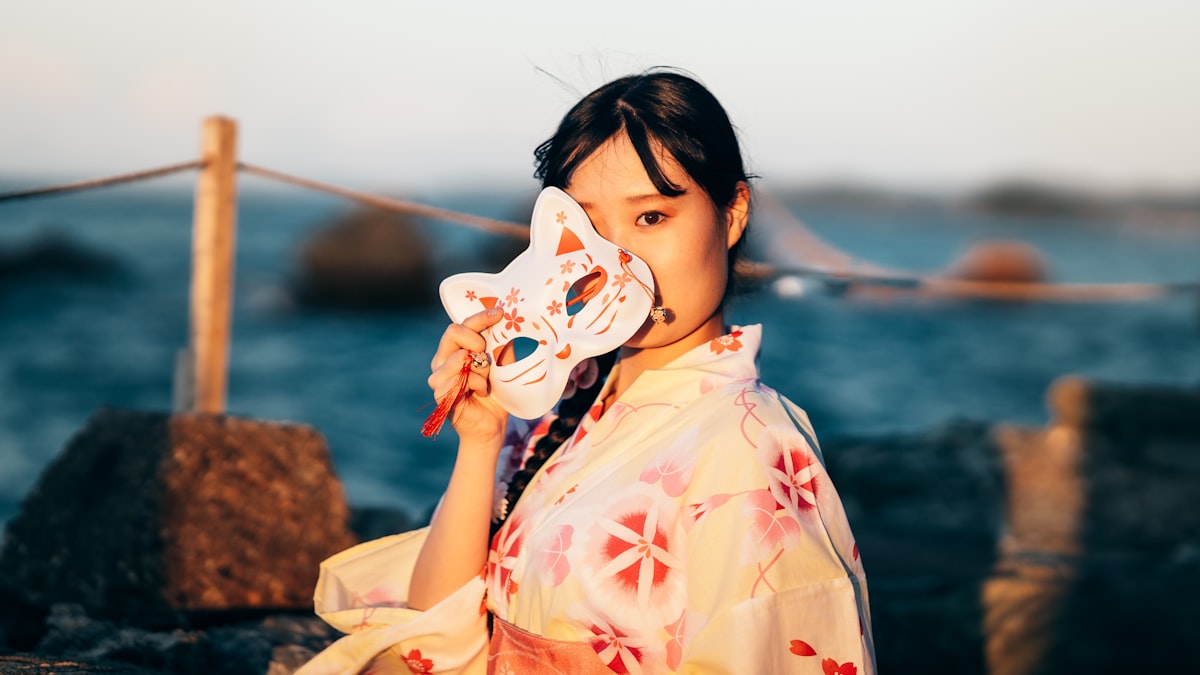
A kimono or yukata makes a beautiful souvenir — and wearing one is a highlight for many visitors. Here’s the difference, whether to rent or buy, and how to shop smart.
Kimono vs yukata
- Kimono — the formal, lined robe worn year-round; more layers, more expensive, more involved to wear.
- Yukata — a light, casual cotton kimono for summer and festivals (and onsen towns). Cheaper and easy to wear — the best pick for most travelers.
Rent or buy?
- Rent for the experience — rental shops in Kyoto, Asakusa, and Kanazawa dress you and style your hair, perfect for strolling and photos.
- Buy a yukata as a wearable souvenir — affordable, packs flat, and easy to wear at home.
- Buy a quality kimono if you want a keepsake; vintage kimono are gorgeous and often inexpensive secondhand.
What you need to wear one
A yukata set typically includes the robe, an obi (sash), and often geta (wooden sandals). For kimono you’ll also want the under-layers and accessories — rental shops handle all of this for you.
Where to buy
- Department stores & specialty shops for new pieces; bring your passport for tax-free.
- Vintage & secondhand — see our secondhand shopping guide for beautiful, affordable used kimono.
- Don Quijote and tourist areas for cheap yukata; see the Donki guide.
- From abroad: yukata and accessories on Amazon , or a proxy service for vintage finds.
Tips
- Rent early in the day and book ahead in peak seasons like cherry blossom time.
- Left side over right when wrapping — right over left is only for the deceased.
- A yukata is a lovely, lightweight gift too.
What rental and purchase typically cost
- A basic yukata rental runs JPY 3,000-5,000 for a half-day including simple hair styling; premium kimono rental packages with full hair and makeup run JPY 8,000-20,000.
- A new yukata set (robe, obi, sandals) bought to take home runs JPY 5,000-15,000 depending on fabric quality, while a basic printed cotton yukata from Don Quijote can be found for JPY 3,000-4,000.
- Vintage silk kimono at secondhand shops often sell for JPY 2,000-10,000, a fraction of new formal kimono prices which can run into the hundreds of thousands of yen for high-quality silk.
Common mistakes to avoid
- Booking a rental for late afternoon — most shops require return by early evening (often 6-7pm), so a late-morning or early-afternoon booking gives you the most time to actually wear and enjoy it.
- Wrapping the robe right-over-left — this is reserved specifically for dressing the deceased; left-over-right is the correct, everyday wrap, and rental shop staff will always double check this for you if you’re dressing yourself.
- Choosing uncomfortable geta sandals without trying a short walk first — they take some getting used to; ask staff for a slightly looser fit if you plan to walk for hours rather than just take photos.
Where the experience feels most authentic
Renting in a neighborhood with matching architecture — Kyoto’s Higashiyama lanes or Kanazawa’s Higashi Chaya district — makes for far better photos and a more immersive feel than wearing a kimono against a modern city backdrop; many rental shops in these areas are positioned specifically for this reason.
Caring for a purchased piece afterward
Silk kimono require dry cleaning by a specialist familiar with the fabric and construction, not a standard home wash — if you buy a quality piece rather than a simple cotton yukata, ask the shop for basic care instructions, since improper washing can permanently damage the fabric and structure.