Some links below are affiliate links. If you buy through them, Japan Trove may earn a small commission at no extra cost to you.
Japan is the global capital of premium selvedge denim — prized worldwide for its craftsmanship, vintage looms, and deep indigo. If you love jeans, here’s what to know and where to buy.
Why Japanese denim is special
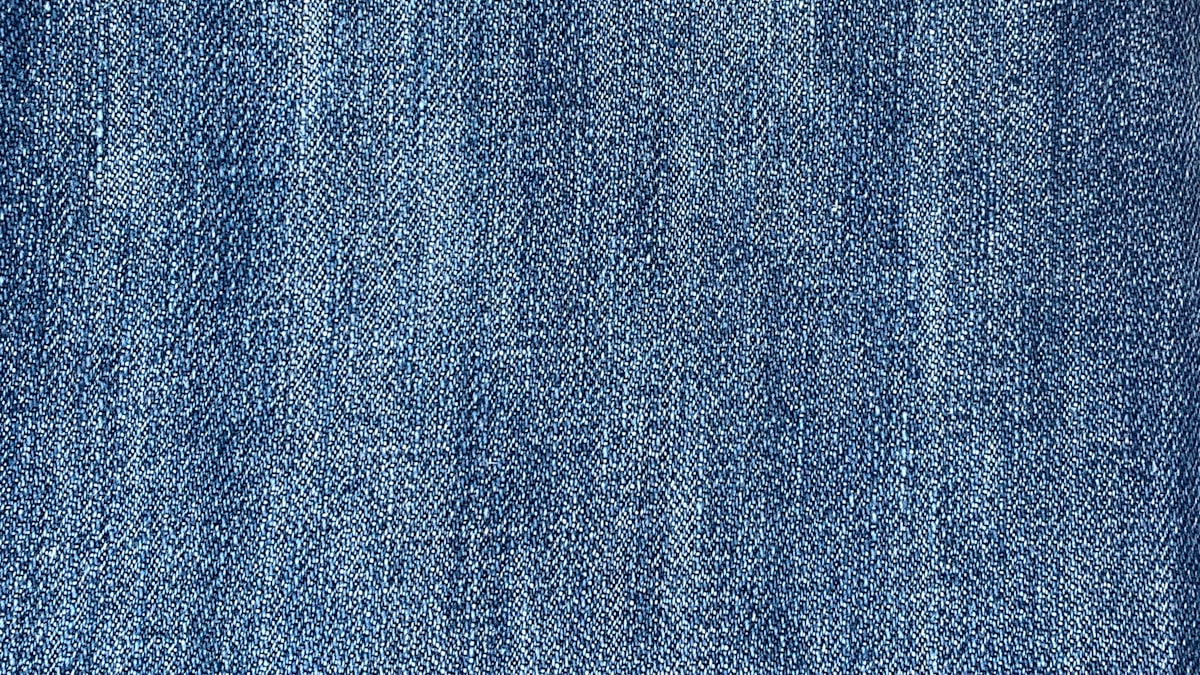
Japanese mills (many in Okayama) weave denim on old shuttle looms, creating dense, characterful selvedge fabric that ages beautifully. Natural indigo dyeing and obsessive attention to detail make these some of the best jeans in the world.
Brands to know
- Momotaro, Iron Heart, Studio D’Artisan, Full Count — cult heavyweight labels.
- The Flat Head, Samurai, Oni, Sugar Cane — beloved by denim enthusiasts.
- Kojima (Okayama) — the denim heartland, with a famous “Jeans Street.” More Japanese labels in our fashion brands guide.
What to look for
- Selvedge edge and heavyweight (14oz+) fabric for character and fades.
- Raw (unwashed) denim if you want to create your own fades over time.
- Fit and inseam — try in person; many offer chain-stitch hemming.
Where to buy
- In Japan: specialty denim shops in Tokyo (Ura-Harajuku), Osaka, and Kojima’s Jeans Street; bring your passport for tax-free.
- Vintage & secondhand — great deals; see our secondhand shopping guide.
- From abroad: many brands ship worldwide, or use a proxy service for Japan-only releases; some on Amazon .
Tips
- Raw denim guidance: wear before first wash for sharper fades (follow the maker’s advice).
- A great pair is a lasting souvenir — for yourself.
What Japanese denim typically costs
- Entry-level raw selvedge jeans from respected brands start around JPY 15,000-25,000; heavyweight cult labels like Studio D’Artisan or The Flat Head often run JPY 30,000-50,000.
- Limited or collaboration releases from brands like Momotaro or Iron Heart can sell out fast and command resale premiums well above retail, so buying in-store at release is worth planning around if a specific model matters to you.
- Vintage and secondhand Japanese denim shops sometimes carry older runs at 20-40% below current retail, a good way to try a cult brand before committing to full price.
Common mistakes to avoid
- Sizing raw denim like pre-shrunk jeans — unwashed selvedge typically shrinks noticeably after the first wash; ask staff for size guidance specific to the brand rather than relying on your usual size.
- Machine-hemming a pair meant to keep its original chain-stitch roping — ask the shop to hem in-house if you want the fade pattern to look authentic over time.
- Washing raw denim too early — most enthusiasts recommend 3-6 months of wear before a first wash to develop personal fade lines; washing on day one erases that potential.
Visiting Kojima’s Jeans Street
If denim is a genuine trip priority, Kojima in Okayama Prefecture is worth the detour — an entire street of denim shops, a denim-themed bridge, and even indigo-dyed vending machines celebrating the town’s manufacturing history. It pairs naturally with a wider Okayama stop en route to Naoshima or western Japan.
Caring for raw denim while traveling
If you plan to wear a new pair through the rest of your trip, avoid getting them soaked in rain or onsen steam before they’ve had a chance to mold to your body — a light misting to remove odor is fine, but a full wash resets the fading process you’re trying to build. Spot-cleaning with a damp cloth is the safest option while traveling.