Muji (Mujirushi Ryohin, “no-brand quality goods”) is a Japanese institution — minimalist, functional, and often cheaper at home than abroad. Here’s what to buy at the source.
Why buy Muji in Japan
The range is bigger, prices are lower than overseas Muji, and the flagship stores stock food, furniture, and limited items you won’t find elsewhere. Tourists can also shop tax-free.
Best things to buy
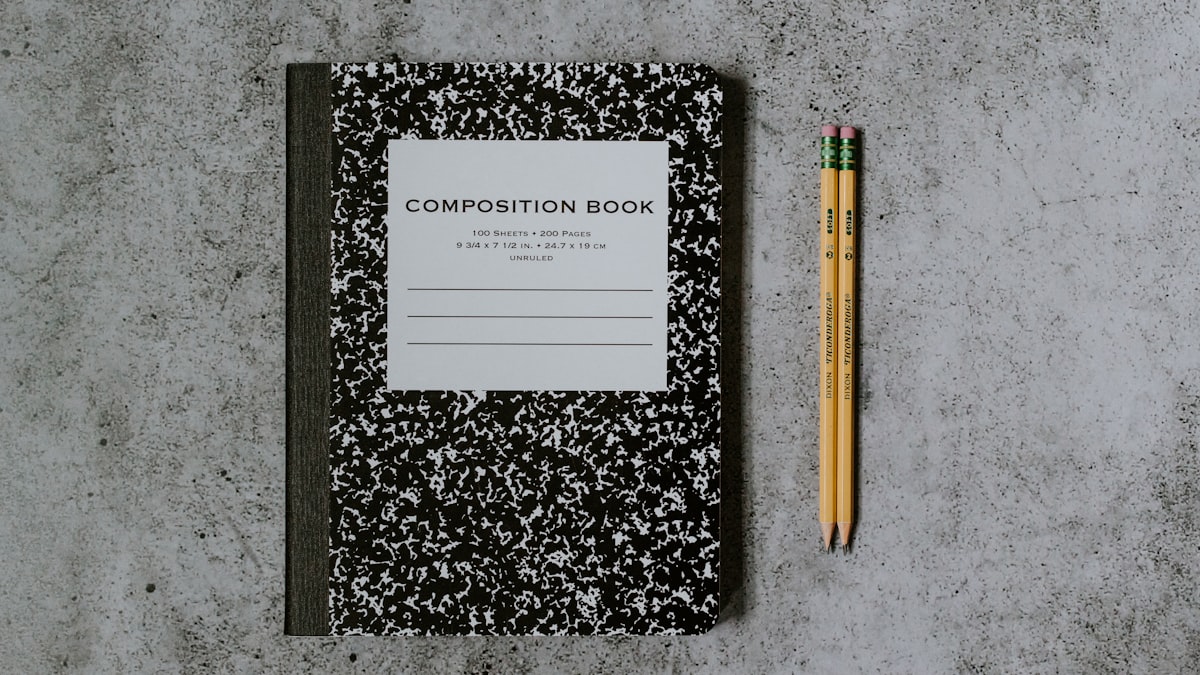
- Stationery — the famous gel pens, notebooks, and refills; see Japanese stationery.
- Travel goods — packing pouches, neck pillows, and compact toiletries.
- Skincare & toiletries — simple, affordable, and well-made.
- Snacks — baumkuchen, ramen, retort curries, and quirky sweets.
- Household & storage — the beloved acrylic organizers and PP boxes.
- Clothing basics — socks, tees, and loungewear.
Muji vs Uniqlo
Both are Japanese minimalist icons, but Muji leans lifestyle/home while Uniqlo is clothing-focused. Read our Uniqlo vs Muji comparison.
Where to shop
- Flagship stores (like Ginza) have the full range, a food floor, and sometimes a cafe.
- Found in malls and stations nationwide.
- Bring your passport for tax-free over 5,000 yen.
Tips
- Prices are notably lower than overseas — stock up on refills and favorites.
- Pack an extra foldable bag for the haul.
- Great source of practical gifts and travel odds-and-ends.
Best Muji buys to bring home
If you want a shortlist for souvenirs and gifts, focus on the small, light, and unmistakably Muji: gel pen sets and notebook refills, the acrylic organizers, travel pouches, aroma diffuser sticks, and a few retort curries or baumkuchen for edible gifts. These pack flat, survive a suitcase, and cost far less than the same items overseas.
What to skip (and buy at home)
Furniture, larger homeware, and anything heavy or bulky rarely justify the luggage space or the voltage hassle for electricals — buy those from your local Muji instead. Save your suitcase for the stationery, toiletries, snacks, and organizers that are genuinely cheaper and better-stocked at the source.
What things typically cost
- Gel pens and stationery refills run JPY 150-500 each, often 30-40% cheaper than the same items sold at overseas Muji branches — worth stocking up on favorites rather than buying replacements at home over the following year.
- Travel goods like packing pouches and neck pillows run JPY 800-2,500, a genuine step up in quality from disposable travel accessories at a similar price point elsewhere.
- The flagship Ginza store’s food floor sells fresh bakery items and a small cafe menu at JPY 300-800 per item, worth a stop if you’re already browsing the building.
Common mistakes to avoid
- Assuming every Muji branch has the same stock — flagship stores (Ginza, Yurakucho) carry furniture, a full food section, and limited items that smaller mall branches simply don’t have room for; check a flagship if you’re hunting something specific.
- Buying electronics or beauty tech without checking voltage — unlike simple household goods, some Muji electricals are built for Japan’s 100V system only; check the label before assuming universal compatibility.
- Overlooking the aroma diffuser sticks and reed diffusers as gifts — they’re lightweight, don’t risk breaking in transit, and are distinctly Muji in a way that’s recognizable to anyone familiar with the brand.
Comparing Muji prices to home
Because Muji operates stores in many countries, it’s worth a quick mental price-check against your home market for anything expensive-looking — Japan pricing usually wins for stationery, snacks, and small goods, but the savings on furniture and larger items are often eaten up by shipping costs, reinforcing the general rule to buy small and light here.
Muji as a reset point mid-trip
Beyond souvenirs, Muji is genuinely useful mid-trip if you underpacked — travel-size toiletries, an extra packing cube, or simple replacement basics are easy to find at almost any branch nationwide, making it a practical stop rather than only an end-of-trip shopping destination.