Some links below are affiliate links. If you buy through them, Japan Trove may earn a small commission at no extra cost to you.
Japanese green tea is one of the best things to bring home: light to pack, long-lasting, and a daily reminder of your trip. But “green tea” covers a lot of styles. Here’s a simple guide to the main types and how to buy good ones.
The main types
- Sencha — the everyday green tea; fresh, grassy, slightly sweet. Start here.
- Gyokuro — shade-grown and premium; rich, sweet, and umami-heavy. A treat.
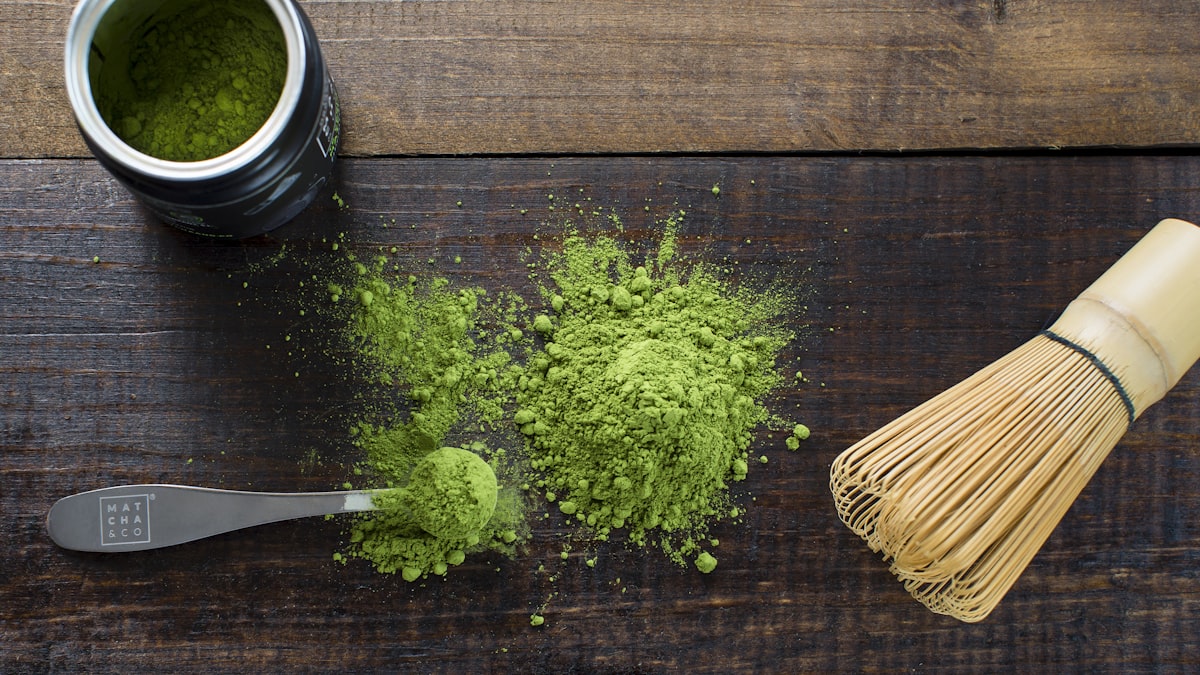
- Matcha — stone-ground powder whisked into water; vivid and full-bodied, also great in lattes and baking.
- Hojicha — roasted green tea; toasty, low in caffeine, lovely in the evening.
- Genmaicha — green tea with roasted brown rice; nutty and comforting.
How to choose good tea
- Look for origin — Uji (Kyoto), Shizuoka, and Kagoshima are famous regions.
- Buy recent harvest and reseal well; green tea fades with time and air.
- For matcha, “ceremonial grade” is for drinking; “culinary grade” is for lattes and baking — don’t overpay for baking.
Brewing basics
- Sencha: cooler water (about 70–80°C) for ~1 minute — boiling water makes it bitter.
- Gyokuro: even cooler (~50–60°C), longer steep.
- Matcha: sift, add a little near-boiling water, and whisk to a froth.
Where to buy
Good Japanese tea is available on Amazon and specialty tea retailers that ship worldwide; look for named regions and recent harvest dates. Buying in Japan? Department-store food halls (depachika) and specialist tea shops in Kyoto are ideal, and a nice tin makes a great gift.
Pair your tea habit with other Japanese treats, or learn to order Japan-only items via a proxy service.
What good tea typically costs
- Everyday sencha runs JPY 800-2,000 for 100g, while premium single-origin Uji or Shizuoka sencha can run JPY 3,000-6,000 for the same amount depending on harvest grade.
- Ceremonial-grade matcha runs JPY 2,000-6,000 for a small 30-40g tin — genuinely different from and pricier than culinary-grade matcha (JPY 800-1,500), which is fine for lattes and baking but noticeably harsher for straight drinking.
- Gyokuro, the shade-grown premium tea, runs JPY 3,000-8,000 for 100g and is priced closer to a luxury purchase than an everyday one given its labor-intensive cultivation.
Common mistakes to avoid
- Buying culinary-grade matcha for drinking — it’s formulated for baking and lattes where other ingredients mask bitterness; straight-drinking matcha specifically calls for ceremonial grade, and the price difference reflects a real quality gap for this use.
- Brewing sencha with boiling water — this is the most common mistake and makes the tea genuinely bitter; letting water cool to roughly 70-80°C first (or simply waiting a minute or two after boiling) makes a noticeable difference.
- Storing tea loosely in a cupboard for months — green tea fades in flavor from light and air exposure faster than black tea; buying smaller amounts more frequently, or resealing tightly in an airtight container, preserves quality much better.
Building a tea-tasting flight to bring home
Buying a small amount each of sencha, hojicha, and genmaicha lets you compare grassy, roasted, and nutty profiles side by side — a more interesting souvenir for a tea-curious friend than a single large bag of one style, and it fits easily within typical airline liquid/powder carry restrictions since it’s all dry leaf.
Visiting a tea region in person
Uji, just outside Kyoto, is worth a half-day trip specifically for tea enthusiasts — specialty shops there offer tastings and sell direct-from-farm sencha and matcha at prices often better than department store counters, alongside a chance to see the terraced tea fields that don’t come across in a packaged tin.