Japan Trove

Category: Home & Kitchen

Knives, ceramics, homeware, stationery and the stores to find them.

  • Loft & Hands: Japan’s Variety Store Souvenir Guide

    Loft & Hands: Japan’s Variety Store Souvenir Guide

    Loft and Tokyu Hands (now “Hands”) are Japan’s beloved variety/lifestyle stores — floors of clever gadgets, stationery, beauty, travel goods, and quirky finds. They’re souvenir goldmines. Here’s what to look for.

    What are Loft & Hands?

    Both are multi-floor “variety stores” packed with well-designed everyday goods — think a curated, mid-range step up from a 100-yen shop. Loft leans stationery, beauty, and lifestyle; Hands leans DIY, tools, travel, and hobby — but they overlap a lot.

    Best things to buy

    • Stationery — pens, planners, and washi tape galore; see Japanese stationery.
    • Beauty & self-care — tools, masks, and gadgets; see beauty tools.
    • Travel goods — packing organizers, compact umbrellas, gadgets.
    • Kitchen & home gadgets — clever tools that make great gifts.
    • Quirky novelties — the “only in Japan” section is a rabbit hole.

    Where to find them

    • Flagship and large branches in Shibuya, Shinjuku, Ginza, and major cities — often in or near stations and malls.

    Shopping tips

    • Bring your passport for tax-free over the threshold.
    • Great one-stop shops for practical, giftable souvenirs that pack flat.
    • Cheaper basics? Compare with 100-yen shops and Muji; for rock-bottom prices try Don Quijote.

    A relaxed hour here yields half your souvenir list. More in our best gifts from Japan guide.

  • Japanese Department Stores & Depachika Food Halls

    Japanese Department Stores & Depachika Food Halls

    Japanese department stores (depato) are an experience in themselves — impeccable service, whole floors of food, and everything from luxury to souvenirs under one roof. Here’s how to shop them, especially the legendary food halls.

    The depachika (food hall)

    The basement food floors, or depachika, are the highlight: dazzling counters of bento, wagashi sweets, chocolates, deli, and gifts. Don’t miss:

    • Beautiful boxed sweets and chocolate — perfect gifts.
    • Ready-to-eat bento and deli — great value, superb quality.
    • Closing-time discounts — fresh items get marked down late afternoon/evening.

    The main chains

    • Isetan, Mitsukoshi, Takashimaya, Daimaru, Matsuya — the big names, each with flagship stores.
    • Often located right at or above major stations for easy access.

    What else to buy

    • Ceramics & homeware — see our homeware guide.
    • Cosmetics counters — J-beauty brands; see makeup and skincare.
    • Kimono & traditional goods, plus seasonal gift corners.

    Shopping tips

    • Bring your passport for tax-free (dedicated counters handle it).
    • Service is famously polite — staff may bow and even escort you; enjoy it.
    • Rooftops sometimes have gardens or shrines; top floors often have restaurant districts (restaurant “resutoran-gai”).
    • Go to the depachika hungry — free samples abound.

    Find them in Ginza, Shinjuku, and every major city. More in our Tokyo guide.

  • Japanese Homeware to Buy: Ceramics, Kitchen & Textiles

    Japanese Homeware to Buy: Ceramics, Kitchen & Textiles

    Some links below are affiliate links. If you buy through them, Japan Trove may earn a small commission at no extra cost to you.

    Japanese homeware is a souvenir sweet spot — beautiful, functional, and often affordable. From ceramics to knives to clever kitchen tools, here’s what to buy to bring a little Japan home.

    Ceramics & tableware

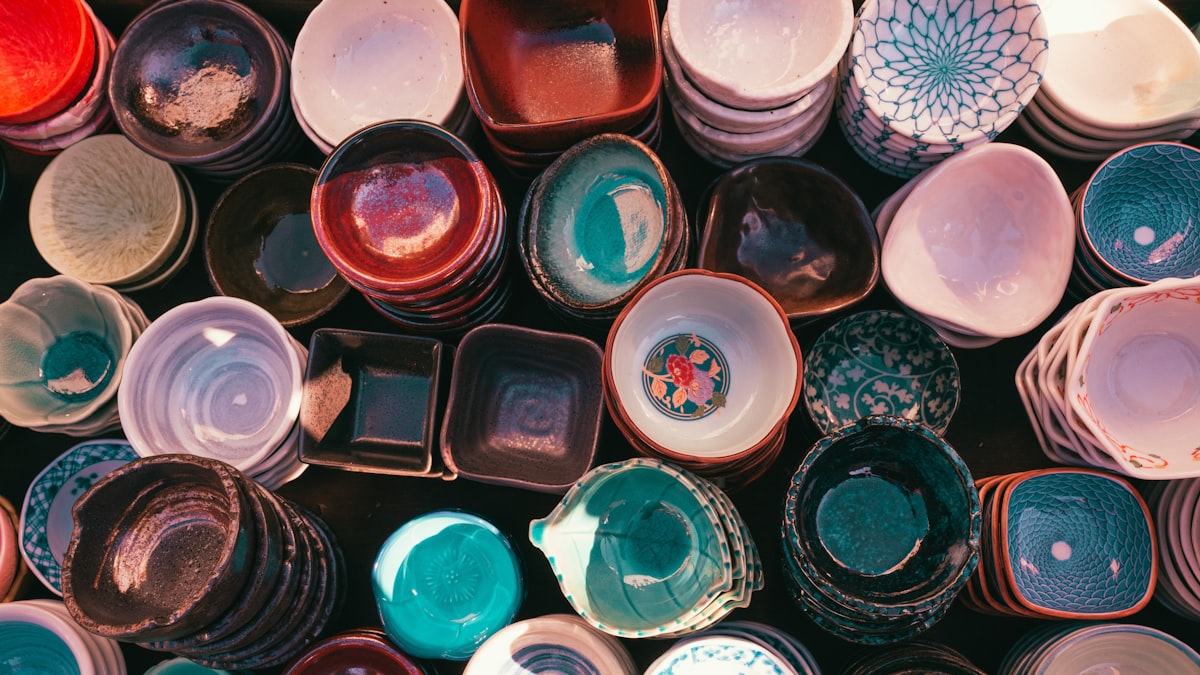
    • Rice bowls, small plates (mamezara), and teacups — endlessly collectible and easy to pack.
    • Regional pottery — Arita, Hagi, Mino, Kutani, and more; see our Japanese tea set & ceramics guide.
    • Lacquerware (shikki) — bowls and trays with a deep, glossy finish.

    Kitchen tools

    • Knives — world-class blades; see our kitchen knives guide.
    • Graters, mandolines, and gadgets — clever, well-made, and cheap at 100-yen shops.
    • Cast iron & tetsubin teapots (heavier — plan your packing).

    Textiles & living

    • Furoshiki — versatile wrapping cloths that double as gift wrap and padding.
    • Tenugui — thin cotton hand towels with lovely prints.
    • Noren curtains, incense, and simple storage goods.

    Where to shop

    • Department-store housewares floors and specialty shops.
    • Kappabashi (Tokyo) — the kitchenware street, including realistic food samples.
    • Muji & Loft/Tokyu Hands for modern designs — see Muji must-buys.
    • From abroad: ceramics and knives on Amazon , or a proxy service for artisan pieces.

    Packing tips

    • Wrap ceramics in a furoshiki or clothing; hard-side luggage helps.
    • Buy tax-free with your passport on bigger purchases.
    • Shipping fragile or heavy items? Consider forwarding or a proxy. Great gifts, too.
  • Muji Must-Buys: What to Get at the Source in Japan

    Muji Must-Buys: What to Get at the Source in Japan

    Muji (Mujirushi Ryohin, “no-brand quality goods”) is a Japanese institution — minimalist, functional, and often cheaper at home than abroad. Here’s what to buy at the source.

    Why buy Muji in Japan

    The range is bigger, prices are lower than overseas Muji, and the flagship stores stock food, furniture, and limited items you won’t find elsewhere. Tourists can also shop tax-free.

    Best things to buy

    • Stationery — the famous gel pens, notebooks, and refills; see Japanese stationery.
    • Travel goods — packing pouches, neck pillows, and compact toiletries.
    • Skincare & toiletries — simple, affordable, and well-made.
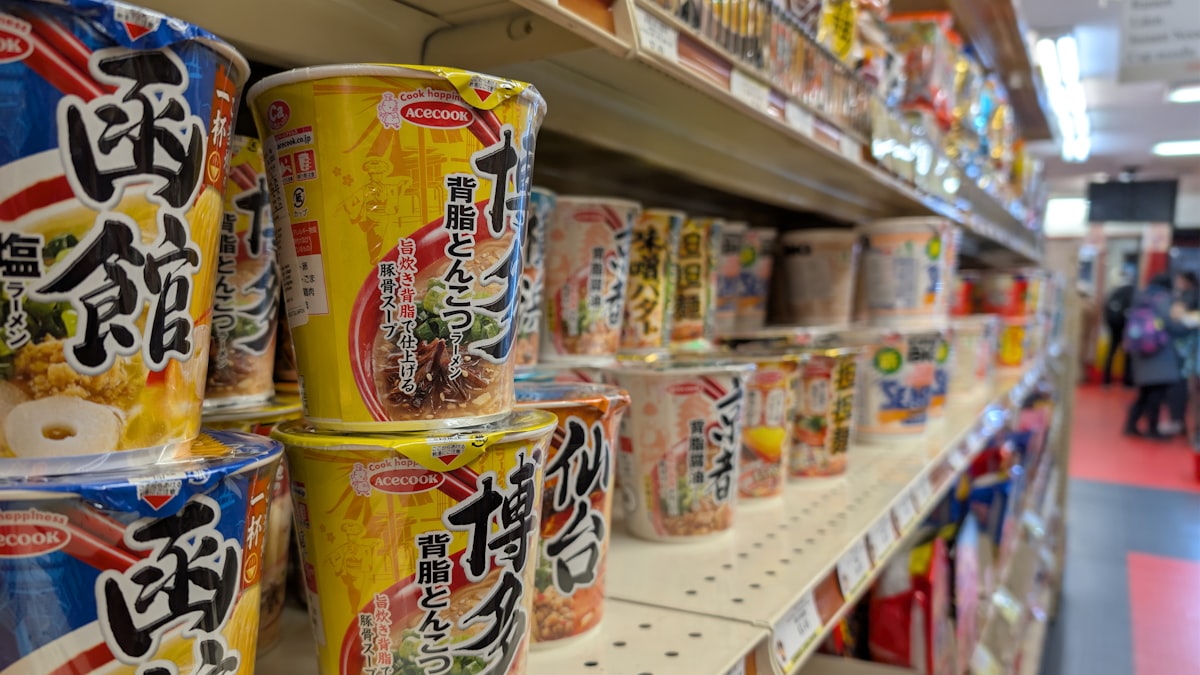
    • Snacks — baumkuchen, ramen, retort curries, and quirky sweets.
    • Household & storage — the beloved acrylic organizers and PP boxes.
    • Clothing basics — socks, tees, and loungewear.

    Muji vs Uniqlo

    Both are Japanese minimalist icons, but Muji leans lifestyle/home while Uniqlo is clothing-focused. Read our Uniqlo vs Muji comparison.

    Where to shop

    • Flagship stores (like Ginza) have the full range, a food floor, and sometimes a cafe.
    • Found in malls and stations nationwide.
    • Bring your passport for tax-free over 5,000 yen.

    Tips

    • Prices are notably lower than overseas — stock up on refills and favorites.
    • Pack an extra foldable bag for the haul.
    • Great source of practical gifts and travel odds-and-ends.

    Best Muji buys to bring home

    If you want a shortlist for souvenirs and gifts, focus on the small, light, and unmistakably Muji: gel pen sets and notebook refills, the acrylic organizers, travel pouches, aroma diffuser sticks, and a few retort curries or baumkuchen for edible gifts. These pack flat, survive a suitcase, and cost far less than the same items overseas.

    What to skip (and buy at home)

    Furniture, larger homeware, and anything heavy or bulky rarely justify the luggage space or the voltage hassle for electricals — buy those from your local Muji instead. Save your suitcase for the stationery, toiletries, snacks, and organizers that are genuinely cheaper and better-stocked at the source.

  • 100-Yen Shops in Japan: Daiso, Seria & What to Buy

    100-Yen Shops in Japan: Daiso, Seria & What to Buy

    Japan’s 100-yen shops are souvenir gold mines — huge stores full of genuinely useful, cute, and clever goods for about a dollar each. Here’s how to shop them like a pro.

    The big three

    • Daiso — the largest chain; enormous range, mostly 100 yen.
    • Seria — more design-forward and stylish; great for craft and kitchen.
    • Can Do — solid all-rounder, often in malls and stations.

    Note: not everything is 100 yen — some items are 200–500, always marked.

    Best things to buy

    • Kitchen tools — clever gadgets, bento accessories, onigiri molds.
    • Stationery — cute pens, sticky notes, washi tape. See Japanese stationery.
    • Beauty helpers — face masks, blotting papers, and beauty tools.
    • Travel gear — packing cubes, bottles, and organizers (handy mid-trip).
    • Souvenirs — chopsticks, furoshiki cloths, ceramic dishes, character goods.

    Smart shopping tips

    • Prices are before tax — 100 yen items ring up around 110 yen.
    • Big flagship stores (Harajuku, Ginza) have the widest selection.
    • Great for cheap gifts to bring home in bulk.
    • Buy an extra foldable bag here to carry the rest of your Don Quijote haul.

    Why travelers love them

    Where else can you fill a basket with quirky, quality souvenirs for pocket change? 100-yen shops are a low-risk, high-fun stop — and a lifesaver for any travel odds and ends you forgot on your packing list.

    What makes a great 100-yen souvenir

    The best 100-yen finds are the ones that feel unmistakably Japanese for the price: patterned chopsticks and rests, small ceramic dishes, furoshiki-style cloths, folding fans, bento accessories, and character stationery. Buy a few of each — at roughly a dollar apiece they make easy, crowd-pleasing gifts to hand out back home.

    A few watch-outs

    • Quality varies. Most items are impressively good, but some are exactly what you’d expect for 100 yen — check anything mechanical before you buy.
    • Not everything is 100 yen. Higher-priced items are marked; glance at the tag.
    • Electricals are made for Japan’s 100V — don’t assume compatibility at home.
  • Japanese Tea Set Guide: Matcha & Sencha Gear to Buy

    Japanese Tea Set Guide: Matcha & Sencha Gear to Buy

    Some links below are affiliate links. If you buy through them, Japan Trove may earn a small commission at no extra cost to you.

    A Japanese tea set is a beautiful, practical souvenir — and if you’ve fallen for matcha or sencha on your trip, the right gear makes brewing at home a joy. Here’s what to look for, whether for matcha or everyday green tea.

    For matcha

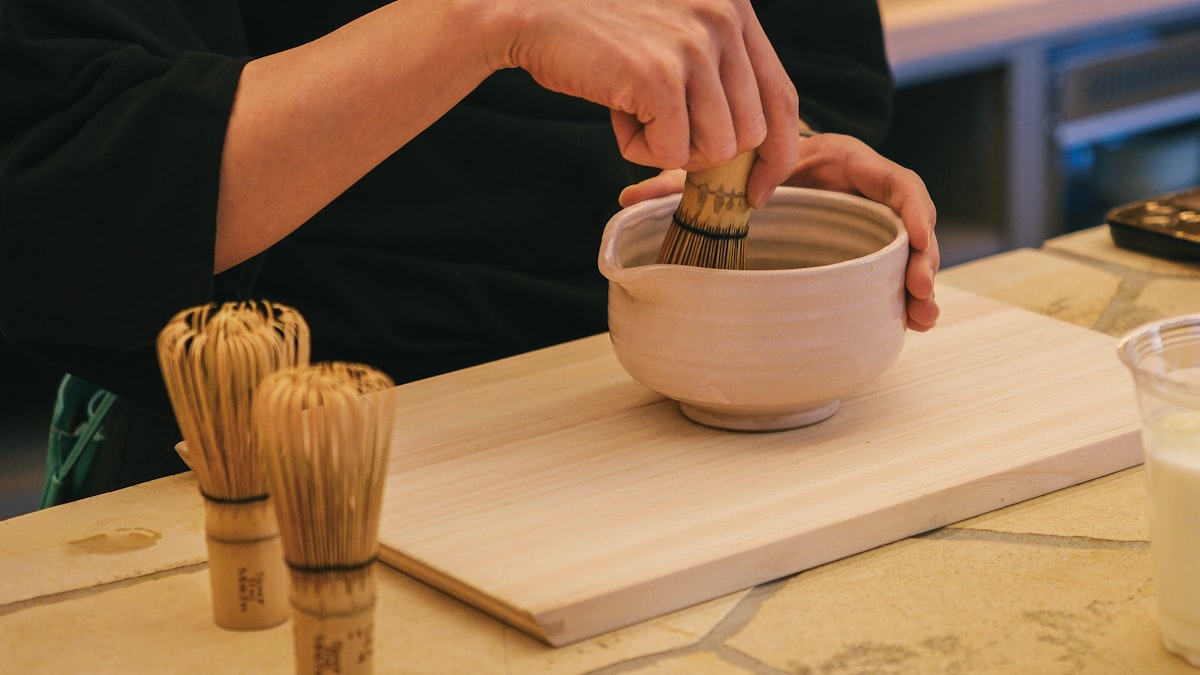
    To whisk matcha properly you’ll want a small kit:

    • Chawan — a wide tea bowl to whisk in.
    • Chasen — a bamboo whisk (the key tool for a good froth).
    • Chashaku — a bamboo scoop.
    • A fine sifter — sift the powder to avoid clumps.

    Pair it with good ceremonial-grade matcha — see our green tea guide.

    For sencha & everyday tea

    • Kyusu — a side-handled teapot, often with a built-in mesh filter; the classic for leaf tea.
    • Yunomi — everyday teacups (no handles).
    • Houhin — a handleless pot for delicate, cooler-brewed teas like gyokuro.

    Styles & pottery to know

    Japanese ceramics are a whole world: Tokoname (famous for kyusu), Hagi, Mino, and Arita/Imari porcelain among them. A handmade piece from a known kiln makes a special gift; a simple, sturdy set is perfect for daily use.

    Buying tips

    • Match the tool to your tea: kyusu for leaf tea, chawan + chasen for matcha.
    • Pack carefully — wrap ceramics well; a furoshiki cloth doubles as padding and a gift wrap.
    • Care: rinse the bamboo whisk and air-dry; hand-wash ceramics.

    Where to buy

    In Japan: department-store housewares floors, specialty tea and pottery shops, and Loft/Tokyu Hands. From abroad: matcha kits and kyusu are available on Amazon , or use a proxy service for specific artisan pieces. A tea set makes a memorable gift from Japan.

  • Best Japanese Kitchen Knives for Beginners (and Where to Buy)

    Best Japanese Kitchen Knives for Beginners (and Where to Buy)

    Some links below are affiliate links. If you buy through them, Japan Trove may earn a small commission at no extra cost to you.

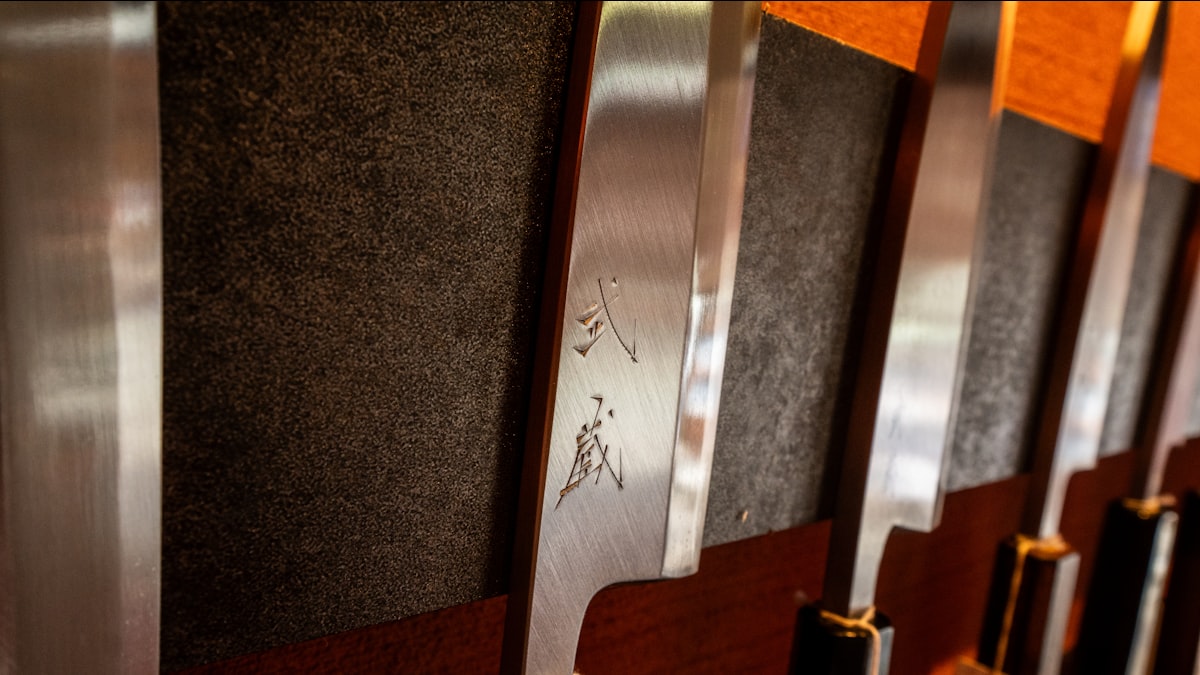
    A Japanese kitchen knife is one of the best things you can bring home — or buy online. They’re prized for razor-sharp edges, light weight, and precision. Here’s a beginner’s guide to the styles worth knowing and how to choose your first one.

    Knife styles to know

    • Santoku — the all-purpose “three virtues” knife; great first choice for meat, fish, and veg.
    • Gyuto — the Japanese take on a Western chef’s knife; longer, versatile.
    • Nakiri — flat blade for vegetables; effortless chopping.
    • Petty — a small utility knife for detail work.
    • Deba / Yanagiba — specialist knives for breaking down and slicing fish (for the more serious).

    Steel & construction (the basics)

    • Stainless — easy care, rust-resistant; best for beginners.
    • Carbon steel — takes a keener edge but needs drying and occasional oiling; it patinas over time.
    • Handle: Western (heavier, bolstered) vs Japanese “wa” (light, wood). Try to hold before buying if you can.

    Choosing your first knife

    For most people: a stainless Santoku or Gyuto around 165–210mm. It covers 90% of home cooking and is forgiving to maintain. Add a Nakiri later if you chop a lot of vegetables.

    Care

    • Hand wash and dry immediately — never the dishwasher.
    • Cut on wood or plastic, not glass or stone.
    • Hone regularly; learn to use a whetstone for sharpening.

    Where to buy

    Reputable knives are available on Amazon (look for established makers) and specialist Japanese knife retailers that ship worldwide. Buying in Japan? Kappabashi in Tokyo and knife shops in Kyoto/Osaka are famous — and you can carry it home in checked luggage. For anything Japan-only, use a proxy service.

    Cooking-curious after your trip? A good knife also makes a memorable present — see our best gifts from Japan.

  • Best Japanese Stationery: Pens, Notebooks & Where to Buy

    Best Japanese Stationery: Pens, Notebooks & Where to Buy

    Some links below are affiliate links. If you buy through them, Japan Trove may earn a small commission at no extra cost to you.

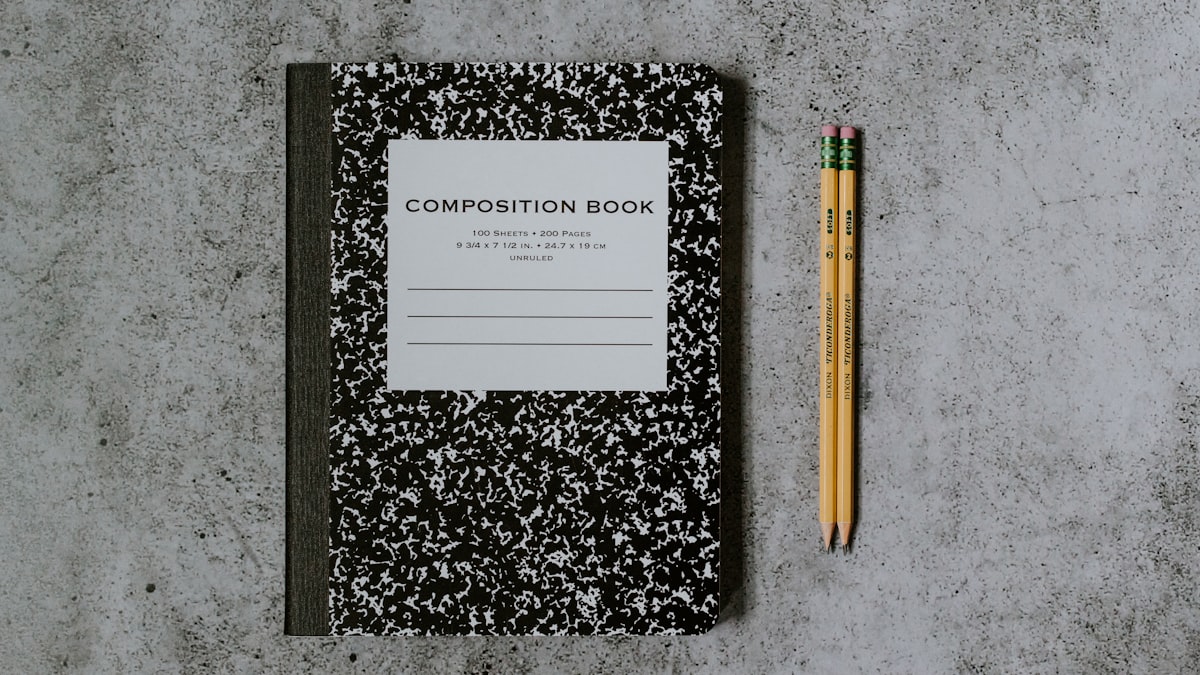
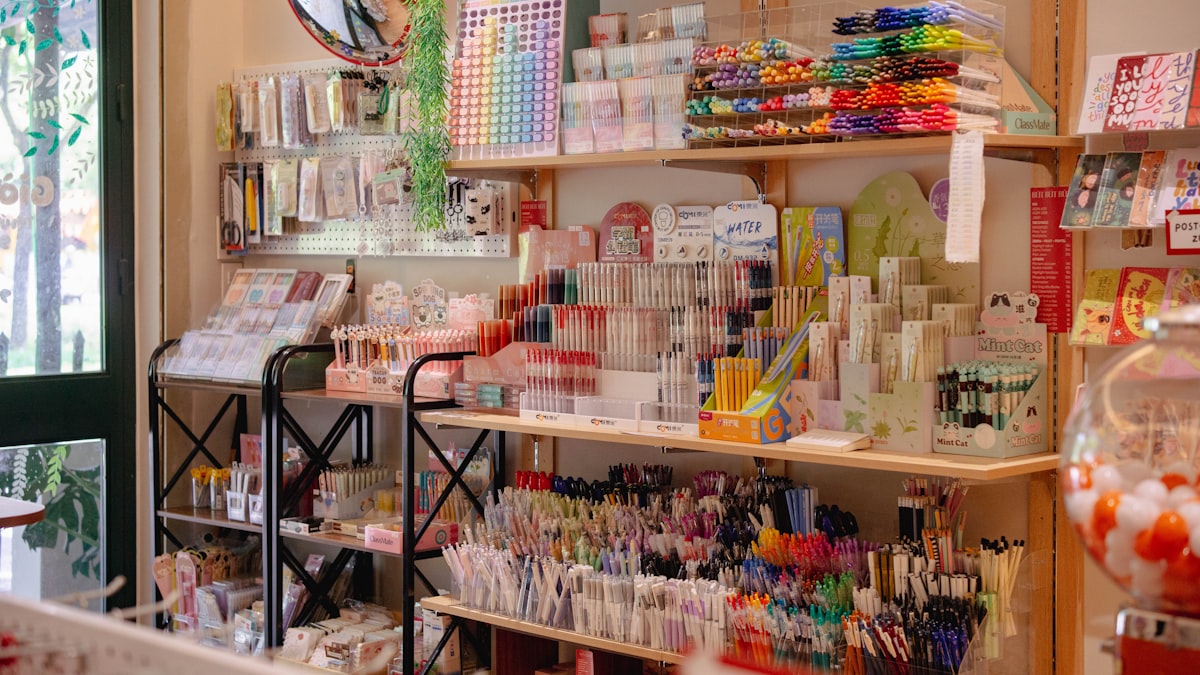
    Japanese stationery has a cult following for good reason: pens that write like a dream, notebooks with paper so smooth it feels wrong, and clever little tools you didn’t know you needed. Here’s where to start — whether you’re a note-taker, a bullet journaler, or just curious.

    Pens worth the hype

    • Uni-ball Kuru Toga — a mechanical pencil whose lead rotates to stay sharp. Genius.
    • Pilot Juice / Uni Signo — smooth gel pens in gorgeous colors.
    • Pentel EnerGel / Zebra Sarasa — fast-drying, buttery writers.
    • Pilot Kakuno / Lamy-alternative fountain pens — a friendly, cheap way into fountain pens.

    Notebooks & paper

    • Kokuyo Campus — the everyday student notebook; excellent paper for the price.
    • Midori MD — minimalist, fountain-pen friendly.
    • Hobonichi Techo — the beloved daily planner with ultra-thin Tomoe River paper.

    Clever extras

    • Washi tape — decorative paper tape for journaling and gifts.
    • Sticky notes & page markers (Post-it Japan, Kanmido) in shapes you won’t find elsewhere.
    • Desk tools — precise scissors, staple-free staplers, and tiny organizers.

    Where to buy

    JetPens is the specialist most fans use outside Japan — a curated catalog of Japanese pens, paper, and tools with detailed guides and worldwide shipping. → JetPens . Amazon also stocks many Uni, Pilot, and Zebra pens. → Amazon

    Want a monthly surprise?

    Stationery subscription boxes (like ZenPop) send a themed set each month — a fun way to discover new brands. In Japan, visit Itoya in Ginza or a Loft/Tokyu Hands store. New to buying from Japan generally? See how to buy from Japan.