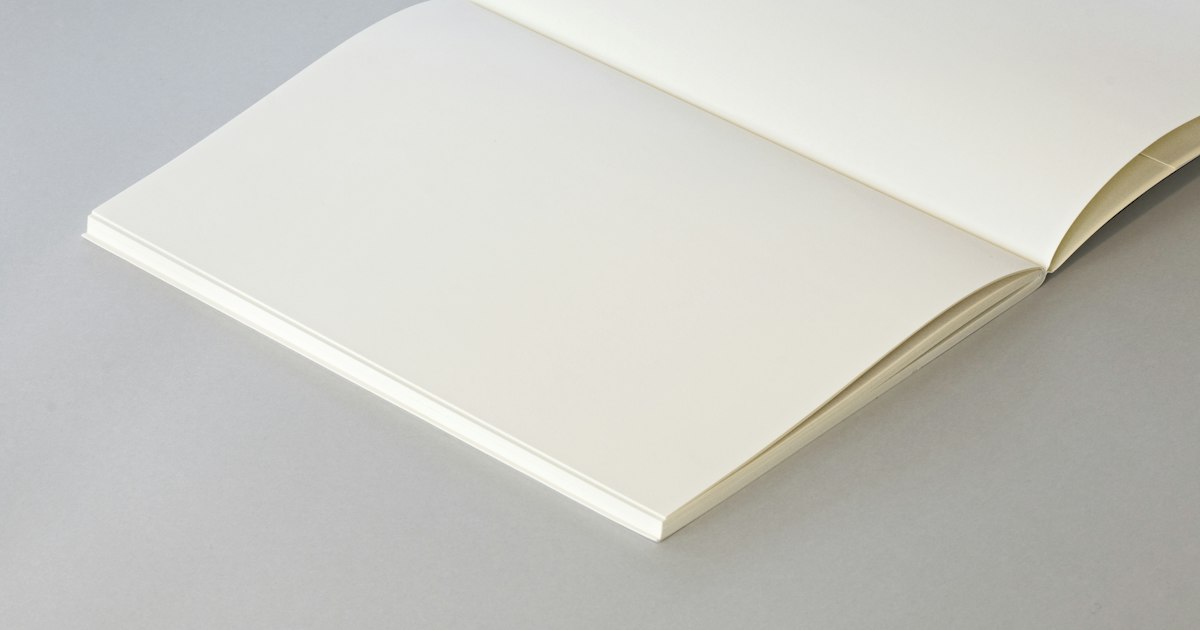
Photo by Brando Makes Branding on Unsplash
Tucked into a quiet residential pocket of Kuramae, a few minutes’ walk from the Sumida River, Kakimori has quietly become one of Tokyo’s most satisfying shopping stops for anyone who likes paper, ink, or things made specifically for them. It’s not a souvenir shop in the usual sense — there’s no shelf of pre-made “Japan” branded goods. Instead, you build the object yourself, choosing every component, and walk out with a notebook or a bottle of ink that exists nowhere else. It takes time, it’s not cheap by stationery standards, and it’s exactly the kind of slow, tactile experience that’s hard to replicate once you’re home.
What Kakimori Actually Is
Kakimori opened in Kuramae in 2010 and built its reputation on a single idea: let customers design their own notebook from raw components rather than buy one off the shelf. The shop stocks walls of loose cover materials (leather, cloth-bound board, patterned paper), different paper stocks (blank, lined, graph, dot-grid), and binding hardware, and staff assemble your choices into a finished notebook at a binding station in the store while you wait. Next door, under the same company, is Inkstand by Kakimori, where you blend your own fountain pen ink from scratch. Together they make Kakimori less a shop than a small workshop you get to use.
Building Your Own Notebook
The notebook-building process works like this: pick a cover (from roughly ¥880 for simpler paper or cloth covers, more for leather), choose one or more interior paper pads (around ¥330–¥550 each, with options for blank, ruled, graph, or dot paper, plus specialty pads like sketch or calendar inserts), and select a binding method — a screw-post binding or a ring binding, both of which let you swap pages later. The binding/assembly fee itself is typically in the ¥300–¥400 range on top of your materials. All in, a single custom notebook usually lands somewhere between ¥1,500 and ¥3,500 depending on cover material and how many paper pads you add. Staff speak enough English to help with the format, size, and paper-weight choices, and the assembly happens in about 10–15 minutes.
A few practical notes: the shop is small, and on weekends the binding counter can have a short wait, so budget extra time rather than arriving with ten minutes to catch a train. If you want a specific paper (Tomoe River paper, for instance, which is popular with fountain pen users for how well it handles ink), ask whether it’s in stock — selection rotates and not every paper type is always available. This is also a genuinely good place to think about omiyage for colleagues who appreciate stationery, since a modestly priced custom notebook feels personal without being extravagant — though keep in mind each one is one-of-a-kind and takes a few minutes to assemble, so building six of them for an office isn’t a quick errand.
Mixing Your Own Ink at Inkstand
If you only have time for one of Kakimori’s two experiences, the ink bar is the more memorable one. At Inkstand by Kakimori, a staff member walks you through blending pigments to create a fountain-pen-safe ink in a color you choose — you can start from a reference (a flower, a photo, a favorite color) and adjust with drops of concentrate until it matches. A session typically runs around 30–45 minutes and produces a bottle you keep, priced in the ballpark of ¥2,200–¥2,700 for a standard bottle size, with the exact price depending on bottle size and any add-ons like a nib test or a nameplate for the bottle. Because each session needs one-on-one staff time, reservations are strongly recommended and often booked through the Inkstand website in advance, especially for weekend slots — walk-ins are possible on quieter weekdays but aren’t guaranteed. If you don’t use a fountain pen at home, it’s worth noting a bottle of hand-mixed ink is a genuinely unusual gift, in the same spirit as picking up hand-finished craft goods like boxwood combs in Kyoto — something made to order rather than mass-produced.
Getting There and Hours
Kakimori is in Kuramae, Taito-ku, about a 7-minute walk from Kuramae Station (Toei Asakusa Line and Toei Oedo Line) or roughly 10 minutes from Asakusabashi Station on the JR Sobu Line, which connects easily from Tokyo Station or Akihabara. The neighborhood itself — sometimes nicknamed “Kura-mae” by locals who’ve watched it fill with small craft shops and cafés over the past decade — is walkable and worth drifting through before or after your visit rather than rushing in and out. The shop generally opens around 11:00 and closes around 18:00; it’s typically closed on Mondays, though holiday closures vary, so it’s worth checking the current calendar on Kakimori’s own site or social accounts shortly before your visit rather than relying on an old posting. Cash and card are both accepted, but note that Kakimori’s prices sit low enough per item that the tax-free threshold for foreign visitors (a minimum spend, usually around ¥5,000 before tax, at participating stores) may not kick in unless you’re buying several items — unlike a large electronics purchase at somewhere like Bic Camera or Yodobashi, this isn’t really a tax-free shopping stop.
Best Time to Visit
Weekday mornings right after opening are the quietest window, which matters because both the notebook counter and the ink bar move at a one-customer-at-a-time pace. If you’re traveling in spring or autumn — peak tourism season in Tokyo — expect more company, particularly on Saturday afternoons. There’s no strong seasonal reason to visit at one time of year over another; this is an indoor, climate-controlled stop that works as a rainy-day activity or a mid-trip breather from temple-and-shrine itineraries just as well as a dedicated errand.
Common Mistakes to Avoid
- Not reserving the ink-blending session. Walking in and hoping for a same-day Inkstand slot works sometimes on weekdays, but you risk being turned away on weekends. Book ahead if the ink bar is your main reason for coming.
- Underestimating the time needed. Treat this as a 45–90 minute stop if you’re doing both the notebook and the ink bar, not a quick five-minute browse.
- Forgetting the notebook is refillable. Because the binding uses screws or rings, you can mail-order or hand-carry replacement paper pads later — you’re not stuck rebuying a whole notebook once the pages run out.
- Assuming English service is extensive. Staff can guide you through choices, but detailed custom requests may move slower in English — patience and simple reference photos help.
Budget, Mid-Range, and Splurge Picks
On a budget, a simple cloth-cover notebook with one paper pad and ring binding comes in under ¥2,000. Mid-range shoppers typically land around ¥2,500–¥3,500 by adding a nicer cover material and a second paper pad for a different purpose (notes versus sketching, for example). For a splurge, pair a leather cover notebook with an Inkstand custom ink bottle — together these can run ¥5,000–¥6,500, but you leave with two objects that are genuinely singular: a notebook built to your spec and a color that, as far as the shop’s records go, exists only in your bottle.