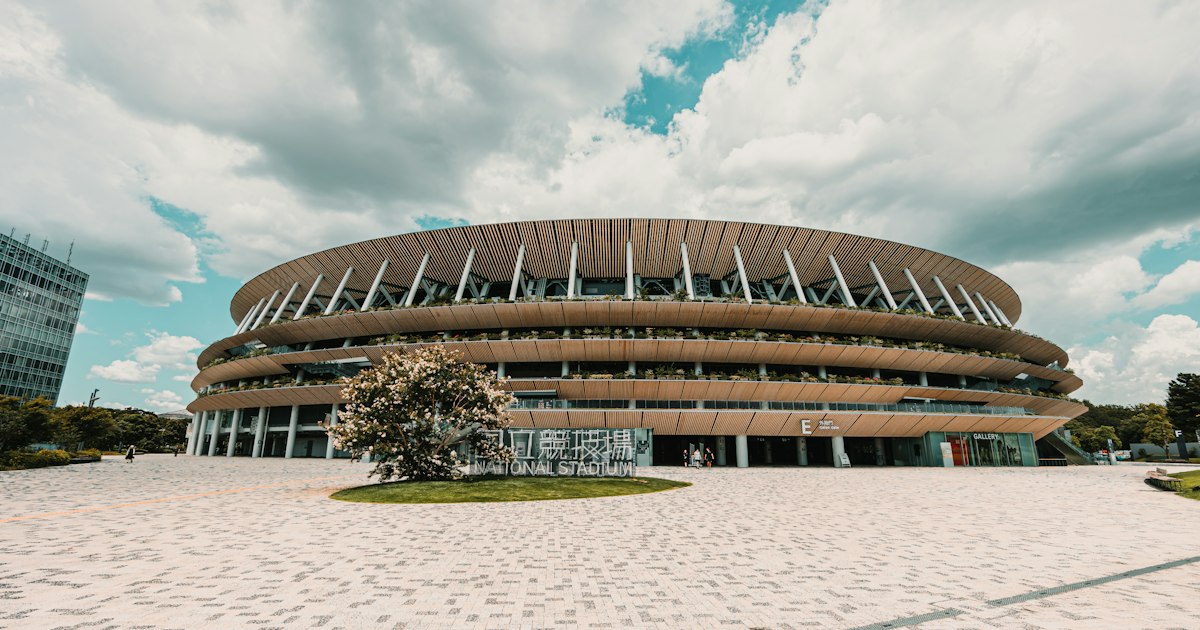
Photo by Darien Attridge on Unsplash
Japan Rugby League One is one of the best-kept secrets in Japanese sports tourism — stadiums are easy to reach, tickets are cheap by international standards, and the rugby itself is fast, physical, and stacked with former All Blacks, Springboks, and Wallabies playing alongside Japan’s national team stars. If you’re in Japan between December and May, catching a match takes almost no planning once you know where to look. Here’s what actually matters for a foreign visitor trying to get in the gate.
What Is Japan Rugby League One?
League One is Japan’s top-flight rugby union competition (not to be confused with rugby league, the 13-a-side code — despite the name, this is 15-a-side union). It replaced the old corporate Top League in 2022 and is organized into three divisions, with Division 1 featuring the strongest teams: Saitama Wild Knights, Toyota Verblitz, Kobelco Kobe Steelers, Tokyo Suntory Sungoliath, and others, many fielding current or recent international players. Most clubs are still tied to major corporations (Toyota, Panasonic, Canon, NEC), which means match-day crowds are a mix of hardcore rugby fans and company employees — friendly, orderly, and far less rowdy than a European football crowd.
Season and Best Time to Go
The regular season runs roughly from late December through early May, with playoffs and the championship final in mid-to-late May. December and January matches often fall around New Year holidays, so weekday afternoon fixtures can be easy to get into with same-week tickets, while weekend matches in April and May — especially playoff rounds — sell out faster. If your trip overlaps with cherry blossom season (late March–early April), you can often combine a Saturday match with hanami in the same city, since several grounds sit in or near major parks.
Tickets: How Much and Where to Buy
Ticket prices are genuinely budget-friendly compared to rugby in the UK, France, or New Zealand:
- Budget: General admission (自由席) seats typically run ¥2,000–¥3,500 for regular-season matches.
- Mid-range: Reserved seating (指定席) usually costs ¥4,000–¥7,000, with better sightlines and a guaranteed seat.
- Splurge: Category-S or hospitality-style packages for marquee fixtures and playoff games can run ¥10,000–¥20,000+, sometimes bundled with pitch-side access or a post-match event.
Tickets are sold mainly through Ticket Pia (t.pia.jp), e+ (eplus.jp), and each club’s official website, plus convenience-store ticket terminals (Lawson Loppi, FamilyMart Famiport) if you’re already in Japan. The convenience-store route is often the easiest for visitors without a Japanese phone number — you can sometimes reserve online in English via the venue’s site and pay/print at the register. For popular fixtures, buy at least a week ahead; for most regular-season games, walk-up general admission tickets are available on match day at the stadium box office.
Best Stadiums to Catch a Match
Where you watch matters almost as much as who’s playing:
- Prince Chichibu Memorial Rugby Ground (Chichibunomiya), Tokyo — the spiritual home of Japanese rugby, a short walk from Gaiemmae or Aoyama-itchome stations. Compact and atmospheric, hosting several Tokyo-area clubs through the season.
- Kumagaya Rugby Stadium, Saitama — home of the Saitama Wild Knights and a 2019 Rugby World Cup venue, about 70 minutes from central Tokyo by train. Big crowds for Wild Knights fixtures given the club’s dominant recent record.
- Toyota Stadium, Aichi — Toyota Verblitz’s home ground near Nagoya, a modern retractable-roof stadium that also hosts J.League football.
- Noevir Stadium Kobe — home to Kobelco Kobe Steelers, easily reached by subway from central Kobe.
Most grounds seat 15,000–30,000 and rarely fill past half capacity outside playoffs, so even a same-day ticket usually gets you a decent view.
Getting There and Match-Day Tips
Stadiums are built for public transit, not driving — parking is limited and often reserved for season-ticket holders. Plan your route with a transit app rather than guessing; for cross-referencing train platforms, transfer times, and the inevitable schedule changes around weekend sports events, locals rely on apps that handle Japan’s rail complexity better than Google Maps, as covered in this guide to Japanese transit apps. Arrive 45–60 minutes before kickoff — gates open early, concourse food stalls (yakisoba, karaage, beer) are part of the experience, and queues for the good vendors build fast at bigger matches.
If you’re bringing kids, most stadiums don’t provide dedicated children’s seating, so check the venue’s own site for family sections; if your day includes a restaurant stop before or after the match, it’s worth knowing what’s actually provided for kids at Japanese restaurants versus what you should bring yourself.
Common Mistakes Visitors Make
- Confusing it with rugby league: League One is rugby union. If you’re hunting for 13-a-side rugby league, Japan doesn’t have a major professional competition — you’ll want union.
- Assuming English ticketing support everywhere: Smaller clubs’ sites are Japanese-only; Ticket Pia and e+ have partial English interfaces, but confirming seat sections sometimes requires basic kanji recognition or a translation app.
- Underestimating cold weather: December–February matches are played outdoors in winter temperatures. Many stadiums have minimal covered seating — dress warmer than you think you need to.
- Not checking for byes or away rounds: Teams don’t play every week at home. Always confirm the fixture is actually at the stadium you’re planning to visit, not an away leg.
Staying Match-Fit on Your Trip
If watching elite rugby puts you in the mood to train rather than just spectate, Japan’s major gym chains offer flexible day-pass access that suits a short visit — useful context is in this rundown of short-term gym day passes for traveling fitness buffs. Between matches, it’s an easy way to fill a rest day without committing to a membership.